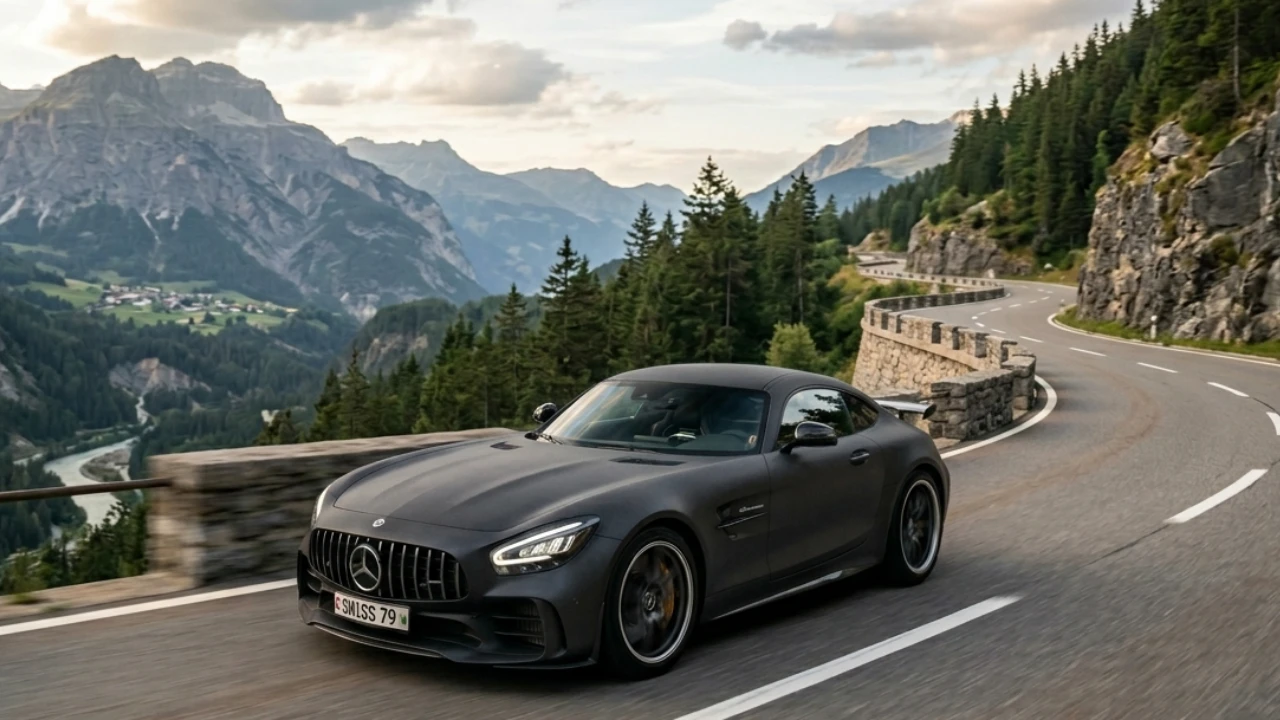
Matte finish cars are in a league of their own. That flat, non-reflective look is bold, premium and impossible to ignore. But here’s the thing, matte paint is far more demanding to maintain than a regular glossy finish. It cannot be polished. It cannot be waxed. And once it gets a scratch, you cannot simply buff it out the way you would on a standard paint job.
This means that preventing scratches from happening in the first place is the only real strategy with a matte car. Whether you already own one or are planning to get a matte wrap or a factory matte finish, this guide covers everything: the right way to wash, the habits to build, the products to avoid, and the best car paint protection solutions available today.
Table of contents
- Why Matte Paint Scratches Are a Bigger Problem Than You Think
- Wash Your Matte Car the Right Way
- Dry It Correctly, Every Single Time
- Be Smart About Where You Park
- Never Use These on a Matte Car
- Protect It With Matte PPF
- Can You Use Ceramic Coating on a Matte Car?
- Use a Car Cover for Overnight and Outdoor Parking
- Visit a Professional Detailing Studio Periodically
- What to Do If Your Matte Car Already Has a Scratch
- Conclusion
- Frequently Asked Questions
Why Matte Paint Scratches Are a Bigger Problem Than You Think
To understand why matte cars need special care, you need to understand what makes the finish look the way it does. A standard glossy car has a smooth, clear coat that reflects light evenly; that’s what gives it shine. Matte paint, on the other hand, has a textured clear coat with a micro-rough surface that scatters light in multiple directions instead of reflecting it uniformly. That scattering effect is what creates the characteristic flat, haze-free look.
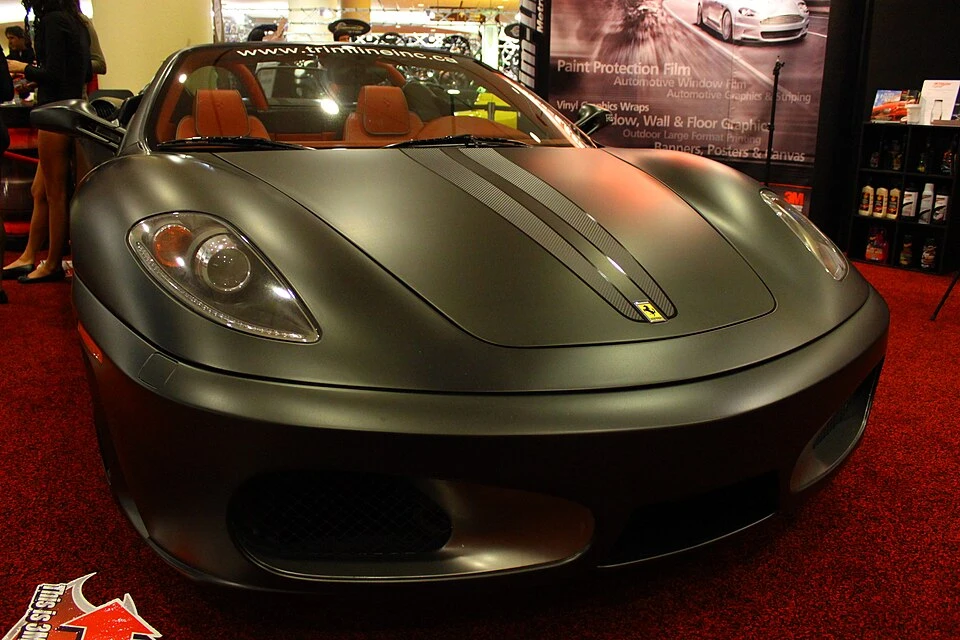
The problem? That textured surface is also what makes it impossible to polish. When you polish a glossy car, you’re smoothing out the clear coat to remove scratches. If you tried polishing a matte finish, you’d smooth out the texture, and the moment that happens, you’ll see a shiny patch in the middle of a flat surface. It cannot be reversed without repainting the panel.
This is why the golden rule of matte car ownership is simple: protect before a scratch happens, because you cannot fix one after. Every habit, product and precaution in this guide exists for that reason.
Wash Your Matte Car the Right Way
Regular washing is the first line of defence for any car, and matte cars are no exception. In fact, washing a matte car incorrectly is one of the most common ways owners accidentally damage the finish. Dust and grit sitting on the surface act like sandpaper the moment you drag a cloth over them.
Here’s how to do it right:
- Use a matte-specific car shampoo. Regular car shampoos often contain wax, gloss enhancers or silicone, all of which will coat the textured surface and create unwanted shine patches on your matte paint. Always use a pH-neutral shampoo labelled safe for matte finishes.
- Follow the two-bucket wash method. One bucket holds your shampoo solution, the other holds clean rinse water for your wash mitt. This keeps dirt from getting recirculated back onto the paint.
- Always use a soft microfiber wash mitt. Sponges trap dirt particles and drag them across the surface. A quality microfiber mitt lifts dirt away from the surface rather than pushing it around.
- Never visit an automatic car wash. The rotating brushes at tunnel washes are one of the fastest ways to introduce swirl marks and fine scratches into a matte finish. Always hand-wash or take the car to a professional detailing studio that handles matte cars.
- Pre-rinse before touching the car. A pressure rinse before you start washing removes loose dust and grit so you’re not grinding it into the surface with your mitt.

Dry It Correctly, Every Single Time
Washing your matte car correctly is only half the job. How you dry it matters just as much. Letting a matte car air-dry leaves behind water spots, especially in Indian conditions where the water supply is often hard and mineral-heavy. Those mineral deposits can etch into the surface over time and are notoriously difficult to remove from matte paint without professional help.
The right approach:
- Use clean, soft microfiber drying towels, not chamois or regular cotton cloths.
- Pat the surface dry rather than dragging or wiping the towel across it. Dragging creates friction; patting lifts water off with no lateral movement.
- Start from the roof and work your way down so water doesn’t drip back onto areas you’ve already dried.
- Don’t forget the door jambs, the area under the boot lid, and around the fuel cap. Water pooling in these spots can leave marks.
- If you have a blower or a car dryer, it’s even better. Contactless drying means zero friction and zero risk of accidental scratches.
Be Smart About Where You Park
A significant number of matte car scratches don’t happen on the road; they happen in parking lots. A door swung open by a neighbouring car, a shopping cart rolling loose, a narrow pillar that catches your bumper, these are everyday scenarios that can leave your matte finish damaged.
Some practical habits:
- Choose end spots or corner spaces where you have fewer neighbouring cars.
- Avoid parking under trees, tree sap, bird droppings and falling debris are all threats to matte paint. Bird droppings in particular are highly acidic and can etch into an unprotected matte surface within hours in the Indian summer heat.
- Use covered or paid parking wherever possible, especially in crowded areas like malls and markets.
- Leave extra space between your car and others when parking. The inconvenience of walking a little further is nothing compared to a door ding on a matte panel.
- If you’re parking on the street at night, a car cover adds a meaningful layer of protection.
Never Use These on a Matte Car
This one is important, especially if you’re new to matte car ownership. A lot of products that are standard in car care are actually harmful to matte finishes.
Do not use:
- Regular car wax or polish: these fill the micro-texture of matte paint with gloss-producing compounds, creating uneven shiny patches that cannot be easily reversed.
- Silicone-based detailing sprays: same issue. They coat the surface and alter the flat appearance.
- Abrasive cleaners or compounds: these physically sand down the textured clear coat.
- Automatic car wash chemicals: most tunnel wash soap formulations contain wax or shine-enhancing agents.
- Dry wiping: never wipe down a dusty matte car with a dry cloth, not even a microfiber one. Always mist or rinse first.
The rule of thumb: if a product promises to add shine or gloss, it has no business going on a matte car.
Protect It With Matte PPF
If there is one product that genuinely changes the ownership experience for a matte car, it is paint protection film. A matte PPF is a clear thermoplastic polyurethane film that is applied directly over the car’s paint, and the matte variant is specifically engineered to preserve the flat finish rather than adding gloss like a standard PPF would.
A good PPF coating on a matte car does the following:
- Creates a physical barrier against stone chips, road debris, scratches from accidental contact, and swirl marks from washing
- Offers self-healing properties; minor surface scratches on the film itself can disappear with exposure to heat (sunlight or warm water)
- Protects against UV fading, which is a real concern with darker matte shades
- Resists bird droppings, tree sap, industrial fallout and monsoon-related acid deposits
- Makes the surface easier to clean without altering the matte texture
Aegis Films by CarzSpa is a proprietary paint protection film brand that offers a purpose-built matte PPF variant with a 10-year warranty, self-healing capability and compatibility with all matte paint types, factory matte, matte wraps and custom matte finishes. For owners of high-performance SUVs or off-road vehicles, the Aegis Eternal 300, at 300 microns, the thickest PPF available in India, offers an even more robust layer of protection with a lifetime warranty.
The best part: a quality matte PPF is optically transparent and maintains the original matte look of the car perfectly. Once installed, you can barely tell it’s there, except that your car stops picking up scratches.
Can You Use Ceramic Coating on a Matte Car?
Yes, but with one important condition. A standard car ceramic coating is designed for glossy surfaces and will add a reflective shine to any surface it’s applied to, which would ruin the matte finish. However, graphene coating and ceramic coatings specifically formulated for matte surfaces are a different story.
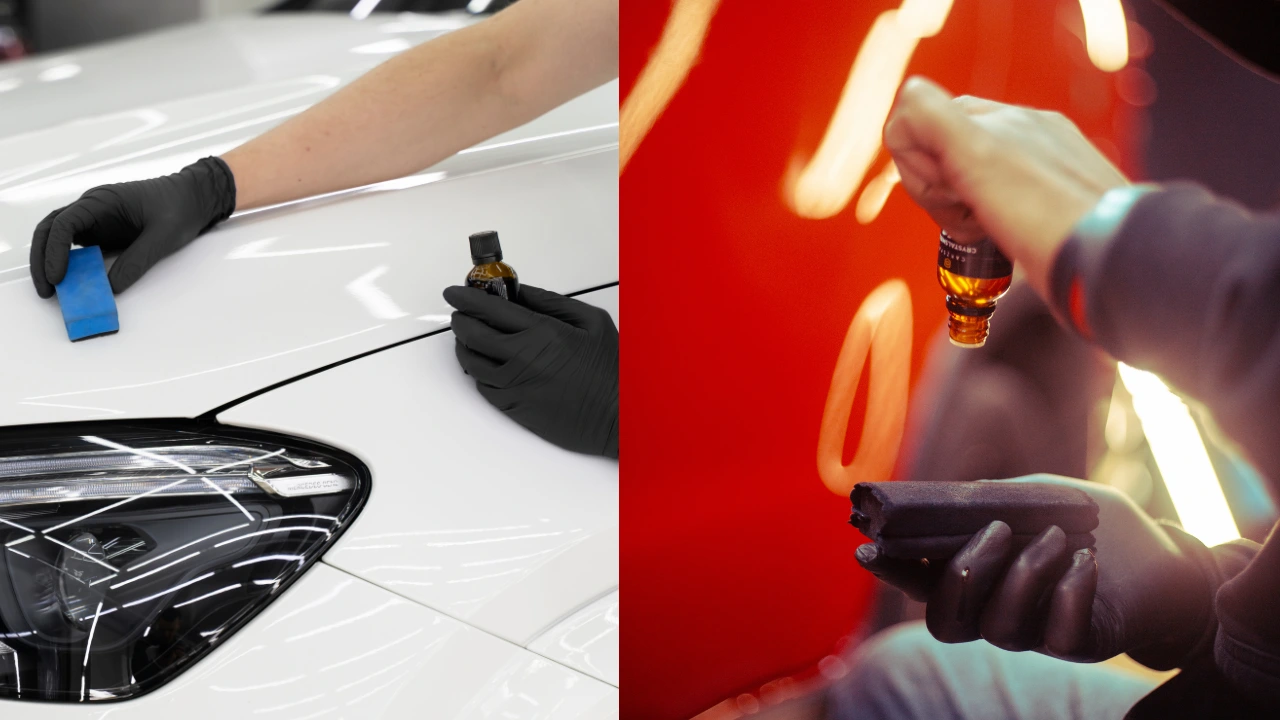
A matte-safe graphene coating or car ceramic coating bonds at a molecular level with the surface and forms a hydrophobic (water-repelling) protective layer that:
- Repels water, making it bead off the surface
- Reduces dust and dirt adhesion, which directly reduces the risk of micro-scratches from wiping
- Offers chemical resistance against bird droppings, rain, and pollutants
- Makes routine cleaning significantly easier and safer
CrystalShield by CarzSpa is a graphene-enhanced ceramic coating developed specifically for Indian conditions, with over 80% high-grade SiO2 content. When applied over a matte-compatible base, it preserves the flat appearance while adding a meaningful layer of protection.
Pro Tip: For the most comprehensive car paint protection on a matte car, combine a matte PPF on high-impact areas (bonnet, bumpers, fenders, door edges) with a matte-safe graphene coating over the full body. This layered approach gives you both physical scratch resistance and chemical/environmental protection in one.
Use a Car Cover for Overnight and Outdoor Parking
If you don’t have access to covered parking, or even if you do, a well-fitted car cover is one of the simplest and most cost-effective ways to protect a matte car. It costs a fraction of a detailing job and prevents a surprising number of surface threats.
A car cover protects against:
- Bird droppings and tree sap
- Dust accumulation that leads to dry wiping and micro-scratches
- UV exposure can cause colour fade in darker matte shades over time
- Light physical contact from people passing by or parking nearby
Make sure the cover is clean before putting it on; a dirty cover dragged across a matte surface is almost as bad as not using one. Store it folded in a clean bag when not in use.
Visit a Professional Detailing Studio Periodically
Daily habits will take you far, but a matte car also benefits from periodic professional attention. A good car detailing service that is experienced with matte finishes will:
- Perform a thorough decontamination wash to remove embedded tar, industrial fallout and mineral deposits
- Inspect the PPF or coating layer for any areas that need attention
- Apply a matte-safe detailing spray or maintenance coat to refresh the hydrophobic properties
- Treat any localised contamination (bird dropping etching, water spotting) before it becomes a permanent mark
The frequency depends on how the car is used and parked; for a daily driver in an Indian city, once every three to four months is a reasonable cadence. For a car that’s garaged and weekend-driven, twice a year may be sufficient.
What to Do If Your Matte Car Already Has a Scratch
Even with the best precautions, scratches can happen. Here’s the honest answer on what can be done:
- Surface contamination scratches (where dirt was dragged across the paint, not the paint itself that’s scratched), these can sometimes be cleaned out with a matte-safe spot remover. Try this first before assuming the worst.
- Light clear coat scratches, if the scratch hasn’t gone through the full clear coat, a professional detailer with experience in matte cars may be able to address it. This is not a DIY job.
- Deep scratches, if the scratch has gone through the clear coat or into the base coat, the panel will need to be repainted. Always use a body shop familiar with matte finishes and OEM-matched matte paint.
- If the car has matte PPF, scratches on the film itself may self-heal. More serious damage to the film means the film needs to be replaced in that section, which is far cheaper than repainting a panel and leaves the original paint untouched.
This is precisely why installing a matte PPF before a scratch happens is the smarter investment.
Conclusion
Owning a matte finish car is a statement, but keeping it looking the way it did on day one takes real commitment. The good news is that the effort isn’t complicated. Wash it right, dry it carefully, park with awareness, keep the wrong products away, and invest in the right protection early. A quality paint protection film designed for matte surfaces, combined with a matte-safe graphene coating, will handle the rest.
If you want expert advice on the right combination of products for your specific car and usage, visit your nearest CarzSpa Detailing Studio. Our teams are experienced with matte finishes across factory paint, custom wraps, and vinyl, and can help you build a protection plan that keeps your car looking exactly as it should.
Frequently Asked Questions
1. Can I polish or wax my matte finish car?
No. Polish and wax are designed for glossy surfaces and will create unwanted shiny patches on matte paint that cannot be easily reversed. Always use products labelled matte-safe.
2. What is the best protection for a matte finish car?
A matte PPF (paint protection film) is the most effective protection, it physically shields the surface from scratches, stone chips and environmental damage while fully preserving the matte look.
3. Will ceramic coating ruin a matte finish?
A standard car ceramic coating will add gloss and ruin the finish. However, matte-specific coatings and graphene coating formulations are designed to protect without altering the flat appearance.
4. How often should I wash my matte car?
Wash once a week or whenever visible dust or dirt accumulates. Always use a matte-safe shampoo and the two-bucket method, never an automatic car wash.
5. Can scratches on a matte car be fixed?
Surface contamination can sometimes be cleaned. Deep scratches require professional repainting. If the car has PPF coating, damaged film sections can be replaced without touching the original paint underneath.
Share: