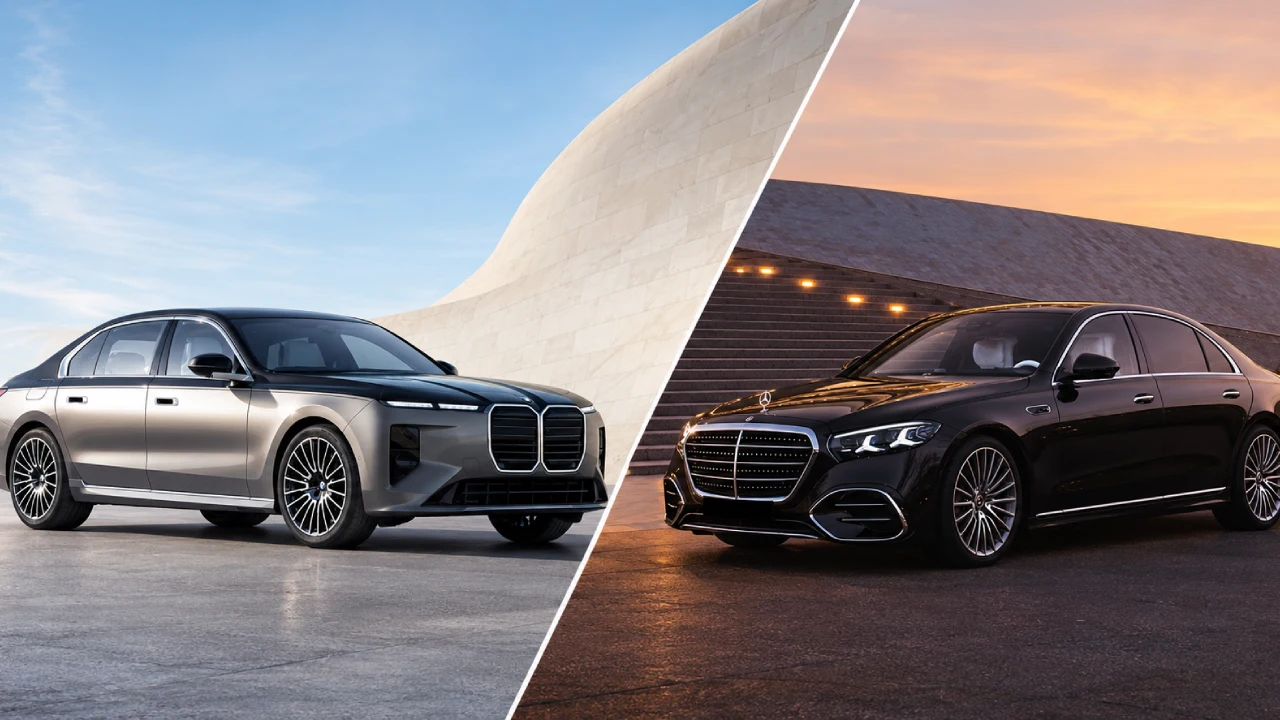
If two cars can make you feel like you’ve truly arrived in life, they are the BMW 7 Series and the Mercedes-Benz S-Class. These are not just luxury sedans. They are statements of success, engineering and the kind of comfort that makes even a long drive feel like a short trip.
But here is the interesting part. While both cars sit at the top of their respective brands, they approach luxury differently. The BMW has traditionally appealed to people who enjoy driving as much as being driven, while the Mercedes-Benz S-Class has built its reputation around exceptional comfort, refinement and an experience that makes the rear seat feel like the best seat in the house.
With the latest versions bringing new technology, powerful hybrid powertrains and an even greater focus on passenger comfort, the BMW 7 Series and Mercedes-Benz S-Class are more compelling than ever.
So, in this BMW vs Mercedes flagship battle, which car should you spend your hard-earned money on? Having worked on thousands of BMWs and Mercedes-Benz cars, our experts at CarzSpa understand what goes into maintaining these premium vehicles. Let’s break down the differences to help you make an informed decision.
Table of contents
- BMW 7 Series vs Mercedes-Benz S-Class: Price in India
- Engine, Performance and Driving Experience
- Exterior Design and Road Presence
- Luxury, Comfort and Rear-Seat Experience
- Technology and Features
- Safety and Reliability
- Maintenance Costs and Ownership
- Which Luxury Sedan Should You Buy?
- Final Verdict
- Why Choose CarzSpa to Protect Your BMW or Mercedes?
- Frequently Asked Questions
BMW 7 Series vs Mercedes-Benz S-Class: Price in India
Let’s start with the question most buyers want answered first: how much do these luxury sedans cost?
The latest BMW 7 Series has been launched in India at an ex-showroom price of approximately ₹1.95 crore, while the updated Mercedes-Benz S-Class starts at ₹2.20 crore and goes up to ₹2.38 crore, depending on the edition. This puts the BMW at a lower entry price, giving it a noticeable advantage for buyers comparing the two flagships.
| Feature | BMW 7 Series | Mercedes-Benz S-Class |
|---|---|---|
| Starting ex-showroom price | ₹1.95 crore | ₹2.20 crore |
| Powertrain | Petrol mild hybrid | Petrol plug-in hybrid |
| Transmission | 8-speed automatic | 9-speed automatic |
| Drive layout | Rear-wheel drive | Rear-wheel drive |
| Primary focus | Driving experience and technology | Comfort, refinement and technology |
Note: Prices and specifications are based on the Indian-market models available in 2026. Check with authorised dealerships for the latest prices, availability and delivery timelines.
BMW 7 Series launch details | Mercedes-Benz S-Class launch details.
Remember that the ex-showroom price is only part of the purchase cost. Registration, insurance, optional equipment and other charges can increase the final amount. At this price point, even seemingly small differences in equipment packages or customisation can add up.
Our take: If upfront price matters, the BMW has the advantage. However, a premium sedan is a long-term purchase, and the better choice ultimately depends on which car delivers the experience you value most.
Engine, Performance and Driving Experience
A luxury sedan should be able to glide through traffic effortlessly, cruise comfortably on the highway and deliver enough performance when you want to enjoy an open stretch of road.
The BMW 7 Series uses a 3.0-litre, six-cylinder turbo-petrol engine paired with a 48-volt mild-hybrid system. In its latest Indian-market specification, the engine produces around 400 hp and 540 Nm of torque, with power delivered through an eight-speed automatic transmission.
The Mercedes-Benz S-Class takes a different route. Its S 450e plug-in hybrid combines a 3.0-litre turbo-petrol engine with an electric motor and a battery pack. The combined system produces 435 hp and 680 Nm of torque, with a nine-speed automatic transmission. Mercedes-Benz also claims an electric-only driving range of up to 115 km under the applicable test cycle.
| Performance factor | BMW 7 Series | Mercedes-Benz S-Class |
|---|---|---|
| Engine | 3.0-litre turbo-petrol, six-cylinder | 3.0-litre turbo-petrol, six-cylinder, with electric motor |
| Hybrid system | 48V mild hybrid | Plug-in hybrid |
| Combined power | Approximately 400 hp | 435 hp |
| Combined torque | 540 Nm | 680 Nm |
| Transmission | 8-speed automatic | 9-speed automatic |
Sources: BMW 7 Series specifications and Mercedes-Benz S-Class specifications.
The BMW’s mild-hybrid system assists the petrol engine, particularly during acceleration and stop-start driving. The Mercedes-Benz plug-in hybrid can travel on electric power alone when the battery has sufficient charge and driving conditions permit it. If you have convenient charging access, this can be a meaningful advantage for shorter daily journeys.
However, real-world fuel consumption and electric range depend on traffic, driving style, weather and charging habits.
Our take: The BMW is a compelling choice if you want a powerful, traditional luxury-sedan driving experience with mild-hybrid assistance. The S-Class offers higher combined output and the added flexibility of electric-only driving. A test drive in both cars will tell you more about their refinement and response than the figures alone.
Exterior Design and Road Presence
Let’s be honest. When you’re spending over ₹2 crore on a sedan, you want it to look the part.
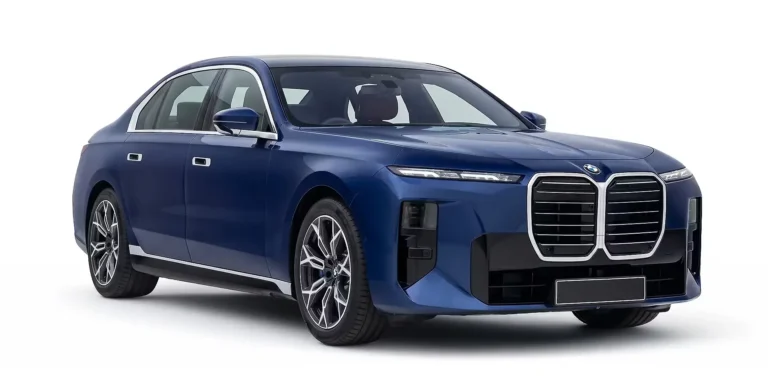
The BMW 7 Series has a bold, imposing design. Its large kidney grille, split-headlamp arrangement, strong proportions and broad stance give it an unmistakable presence. It is not trying to blend into the background, and that is precisely the point. The latest facelift sharpens this character further with a revised front end and updated styling details.
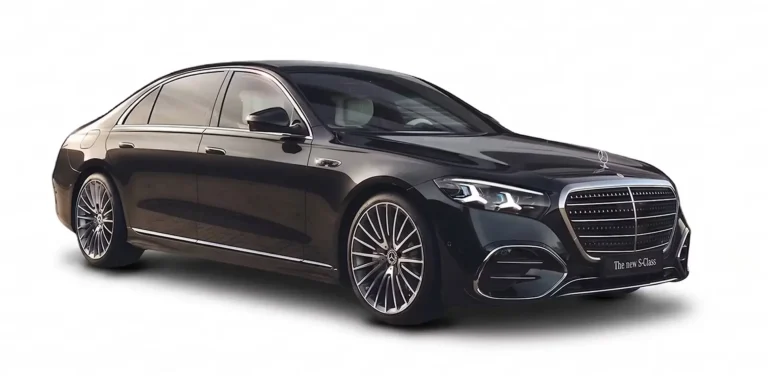
The Mercedes-Benz S-Class takes a different approach. Its design is more fluid and understated, with elegant body lines, a prominent three-pointed star and a silhouette that looks sophisticated without being overly aggressive. It has the kind of presence that doesn’t need to announce itself loudly.
Both cars are large luxury sedans, so neither is particularly compact for navigating narrow streets or tight parking spaces. Their proportions are part of what makes them feel so substantial, but buyers should consider parking access and regular driving routes.
When comparing BMW and Mercedes, the choice often comes down to personal taste. Do you prefer the bold, modern appearance of the BMW, or the understated elegance of the Mercedes-Benz?
Our take: The BMW is for those who enjoy a more dramatic design statement. The S-Class suits buyers who prefer classic luxury and a more restrained appearance. Neither is objectively better; both communicate success in their own way.
Luxury, Comfort and Rear-Seat Experience
This is where the competition gets interesting. At this level, both cars offer luxurious upholstery, electrically adjustable seats, sophisticated climate control and a long list of comfort features. The real difference is in how they deliver the experience.
The BMW 7 Series combines plush seating with a technology-rich cabin. Its rear-seat experience can include powered seating adjustments, massage functions, entertainment screens and a large rear Theatre Screen. Depending on the equipment fitted, passengers can enjoy films, music and other entertainment without needing to interact with the driver.
The Mercedes-Benz S-Class has built its reputation on rear-seat comfort for decades. Its Executive Rear Seat package, available reclining functions, massage features, climate controls and rear entertainment options are designed to make long journeys as relaxing as possible.
| Comfort factor | BMW 7 Series | Mercedes-Benz S-Class |
|---|---|---|
| Rear-seat experience | Technology-led, lounge-like comfort | Relaxed, executive-style comfort |
| Entertainment | Large 31.3-inch rear Theatre Screen | Rear entertainment screens, depending on equipment |
| Seat comfort | Powered adjustment, heating, ventilation and massage | Executive seating and massage features |
| Cabin atmosphere | Bold, contemporary and immersive | Elegant, refined and understated |
Note: Exact features vary by model year and equipment specification.
If you regularly travel with a chauffeur, spend long hours in the rear seat or use your car for business meetings, the comfort and entertainment packages deserve as much attention as engine performance. If you usually drive yourself, front-seat support, visibility, controls and ride quality may matter more.
Our take: Both cars deliver exceptional comfort. The Mercedes-Benz S-Class has a particularly strong traditional chauffeur-driven appeal, while the BMW 7 Series makes a compelling case for buyers who want a luxurious rear cabin with an immersive entertainment experience.
Technology and Features
Modern flagship sedans are essentially showcases of what their manufacturers can achieve with technology. And both these cars have plenty to offer.
The BMW 7 Series features a large central infotainment touchscreen, a front passenger display, BMW’s Panoramic Vision display concept and a substantial rear entertainment screen. Its Bowers & Wilkins sound system and ambient lighting further enhance the cabin experience. The result is a distinctly modern environment where technology plays a major role in how the car feels.
The Mercedes-Benz S-Class counters with its MBUX interface, digital displays, connected features, augmented-reality navigation and premium Burmester audio equipment. Its technology is designed to make the cabin feel sophisticated while keeping comfort and convenience at the centre of the experience.
Both cars also offer extensive personalisation and connectivity features, although the precise equipment depends on the variant and market specification.
One thing worth remembering is that more screens do not automatically mean a better user experience. Some drivers prefer having most functions available through a touchscreen, while others want physical controls for frequently used settings. Take time to explore the menus, climate controls, voice commands and navigation system during your test drive.
Our take: The BMW is especially appealing if you enjoy a bold, screen-rich cabin and new display technology. The Mercedes-Benz offers a polished, premium interface with a strong emphasis on passenger convenience. Both are technologically impressive, but usability comes down to personal preference.
Safety and Reliability
When buying a flagship luxury sedan, safety should never be an afterthought. Both BMW and Mercedes-Benz equip their flagship models with sophisticated safety systems and driver-assistance technologies.
Depending on the variant and equipment, these can include adaptive cruise control, lane-keeping assistance, blind-spot monitoring, collision-warning systems, automatic emergency braking, parking assistance and surround-view cameras. The S-Class also offers features such as rear-wheel steering and advanced suspension technology, which can help with manoeuvrability and vehicle control in appropriate conditions.
However, buyers should distinguish between active safety systems, which help prevent or mitigate collisions, and passive safety equipment, which helps protect occupants in a crash. The availability and behaviour of driver-assistance systems can also vary by market and software configuration.
Reliability is a more nuanced question. Neither brand should automatically be considered more reliable simply because of its badge. Both cars use sophisticated electronics, complex suspension systems and advanced powertrain technology. Repair costs can be significant if components fall outside warranty coverage.
Before making a decision, ask the dealership about warranty coverage, service packages, roadside assistance and the cost of extending coverage. Also check which features are standard and which are optional.
Our take: Both cars offer a strong suite of safety technologies. Instead of relying on general brand reputation, compare the exact safety equipment on the cars being offered to you and understand the warranty and after-sales support available in your city.
Maintenance Costs and Ownership
Owning a ₹2-crore luxury sedan is about more than the purchase price. You also need to consider servicing, insurance, tyres, repairs, fuel or charging and the cost of maintaining its appearance.
Routine maintenance costs depend on the service schedule, dealership, parts required and any prepaid service package. Major repairs involving electronics, suspension, hybrid components or bodywork can be considerably more expensive than those on mainstream cars. The S-Class’s plug-in hybrid system also makes it worth understanding the relevant battery and hybrid-system warranty terms.
Resale value is another consideration. Both cars belong to the flagship luxury segment, where depreciation can be influenced by new model launches, mileage, ownership history, condition, service records and demand for a particular variant. There is no guarantee that one will always command a higher resale value.
Then comes the car’s exterior condition. Premium paintwork can be exposed to stone chips, scratches, bird droppings, hard-water deposits and environmental contamination. Even careful owners cannot avoid every risk, especially when driving regularly in Indian traffic.
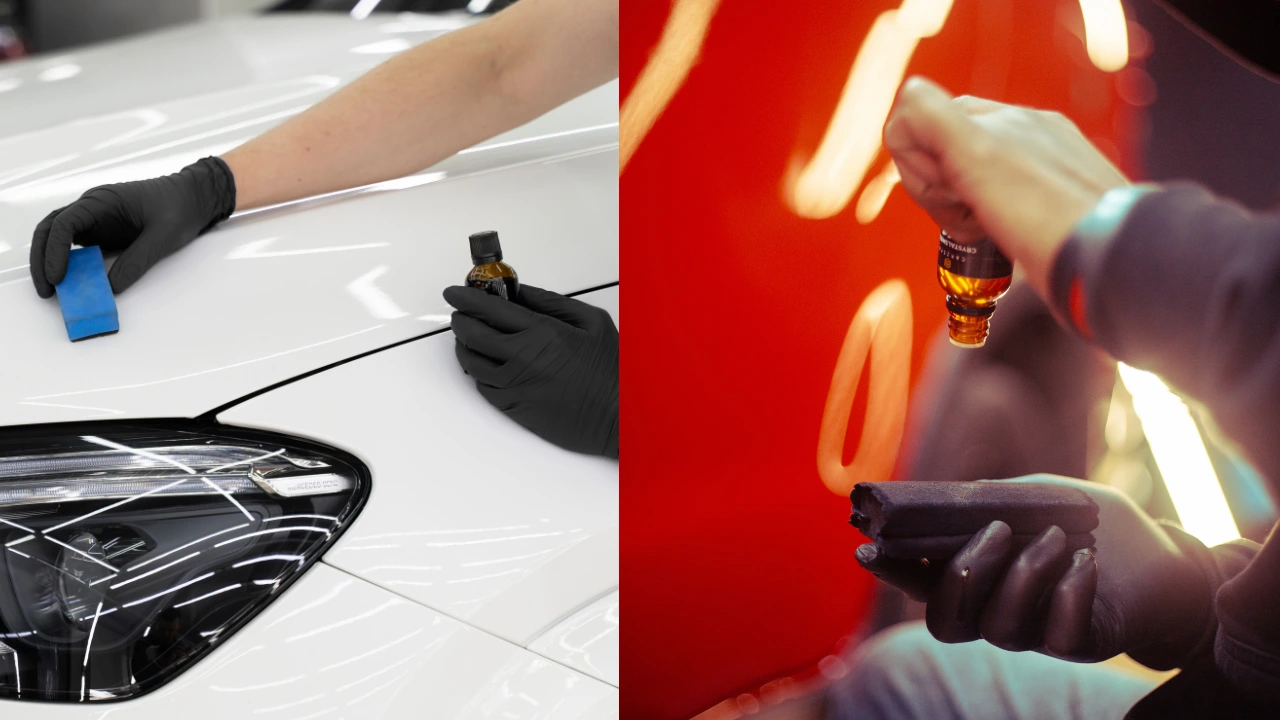
Getting professional detailing and suitable paint protection can help maintain the finish. A ceramic coating for cars can make cleaning easier and provide resistance to certain forms of surface contamination, while a quality PPF coating can help protect vulnerable painted panels against stone chips and minor abrasions.
Expert Tip: If you plan to keep your BMW or Mercedes-Benz for several years, consider paint protection soon after delivery. Correct preparation and professional installation are essential for getting the best results.
Which Luxury Sedan Should You Buy?
The answer to BMW vs Mercedes which is better depends on how you intend to use your car.
Choose the BMW 7 Series if:
- You prefer bold, contemporary styling and a strong road presence.
- You want a powerful petrol mild-hybrid luxury sedan.
- You enjoy a technology-rich cabin with an immersive rear entertainment experience.
- You want to enter the flagship segment at a lower starting ex-showroom price than the S-Class.
Choose the Mercedes-Benz S-Class if:
- Rear-seat comfort and chauffeur-driven travel are high priorities.
- You prefer elegant, understated exterior styling.
- You want the flexibility of a plug-in hybrid powertrain and electric-only driving for suitable journeys.
- You value the S-Class’s long-standing reputation as a flagship luxury sedan.
Before deciding, test-drive both cars on roads similar to those you use every day. Spend time in the rear seats, try the infotainment systems, assess visibility and ask for a detailed breakdown of the ownership packages.
Also, remember that the BMW 7 Series and Mercedes-Benz S-Class are not the only considerations in this price bracket. Your preferred equipment, customisation requirements, delivery timeline and local dealership experience can all influence the final decision.
Final Verdict
The BMW 7 Series vs Mercedes-Benz S-Class comparison is a battle between two different interpretations of modern luxury.
The BMW 7 Series stands out with its bold design, powerful mild-hybrid engine, technology-led cabin and more accessible starting price. It makes sense for buyers who want a flagship sedan that feels contemporary and engaging without compromising on passenger comfort.
The Mercedes-Benz S-Class remains a compelling option for those who prioritise a refined cabin, executive rear-seat experience and the flexibility of plug-in hybrid technology. Its long-standing association with chauffeur-driven luxury continues to be one of its biggest strengths.
So, BMW or Mercedes? If driving enjoyment, bold styling and technology appeal to you, the BMW deserves a serious look. If rear-seat comfort, refinement and electric-assisted daily driving matter more, the S-Class may be the better fit.
Ultimately, take a test drive in both and choose the car that feels right for your lifestyle. And once you bring your dream sedan home, remember that protecting its finish is an important part of ownership.
Why Choose CarzSpa to Protect Your BMW or Mercedes?
Your BMW 7 Series or Mercedes-Benz S-Class is more than a car. It is a significant investment, and its paintwork deserves the same attention as its luxurious interiors and advanced engineering.
At CarzSpa, we specialise in professional car detailing and paint protection, helping owners maintain the appearance of their vehicles. With over 18 years of experience and 150+ Detailing Studios across India, we offer professional services designed around different vehicle-care requirements.
Here are two options worth considering:
- Paint Protection Film (PPF): A transparent protective film that helps shield painted surfaces against stone chips, minor scratches and everyday abrasion. CarzSpa offers Aegis PPF, with different series suited to varying protection requirements.
- Ceramic coating: A professionally applied coating that enhances gloss, adds hydrophobic properties and makes routine cleaning easier. It can help protect the paint against certain environmental contaminants, although it does not prevent stone chips in the way PPF can.
For owners seeking long-term protection, the right solution depends on the car’s paint condition, driving environment, expected ownership period and budget. Our experts can help you understand the available options before you decide.
Whether you drive a BMW or a Mercedes-Benz, visit your nearest CarzSpa Detailing Studio to explore suitable paint protection and detailing services. Give your dream car the care it deserves from day one.
Frequently Asked Questions
1. Which is more expensive, the BMW 7 Series or Mercedes-Benz S-Class?
The 2026 BMW 7 Series starts at approximately ₹1.95 crore ex-showroom, while the updated Mercedes-Benz S-Class starts at ₹2.20 crore. Prices vary by edition, equipment and location.
2. Which car is better for chauffeur-driven use?
Both offer luxurious rear-seat experiences. The Mercedes-Benz S-Class has a particularly strong focus on executive comfort, while the BMW 7 Series offers an impressive entertainment-led rear cabin.
3. Is the BMW 7 Series more powerful than the S-Class?
The latest Indian-market BMW 7 Series produces around 400 hp. The S-Class S 450e plug-in hybrid produces a combined 435 hp, although performance also depends on weight, tuning and driving conditions.
4. Which car has better fuel efficiency?
The S-Class plug-in hybrid can travel on electric power alone when charged, making it potentially more efficient on suitable short journeys. Real-world fuel consumption depends on charging habits, traffic and driving style.
5. Should I get PPF or ceramic coating for my BMW or Mercedes?
PPF is better suited to protecting paint against stone chips and minor abrasion. Ceramic coating enhances gloss and helps with cleaning. Some owners choose both for complementary benefits.