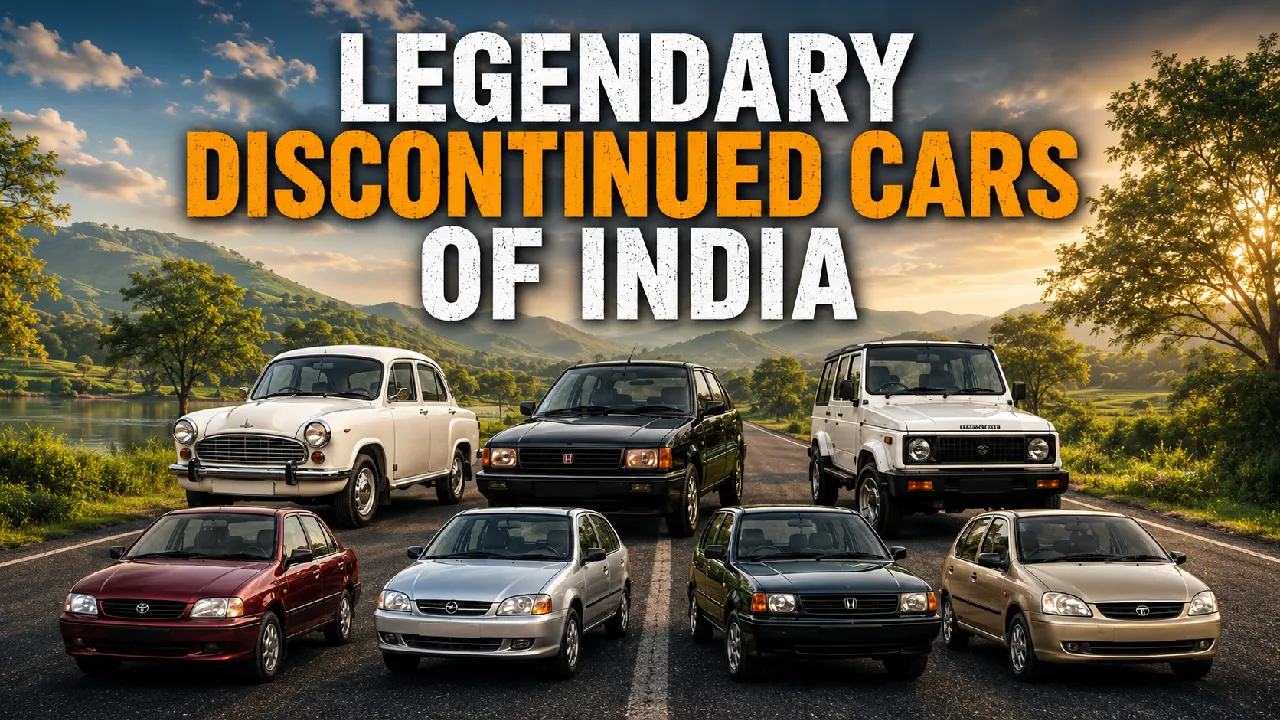
Let’s be honest: some cars don’t die; they just stop being made. And in India, the emotional bond between a driver and their car is unlike anything else. We name them. We wash them on Sunday mornings. We cry a little (internally) when they get their first dent. So when a beloved model gets axed, it doesn’t just leave a gap in the showroom; it leaves a dent in the soul.
Here’s a tribute to the top 10 discontinued cars that left tyre tracks on our hearts. Whether they were killed by regulations, economics or sheer corporate indifference, these machines deserved better. And honestly? So did we.
Table of contents
- Why Do Cars Get Discontinued?
- Top 10 Discontinued Cars: At a Glance
- Hindustan Ambassador
- Maruti Suzuki Esteem
- Tata Safari (Original)
- Maruti Suzuki Zen
- Ford Endeavour (India Exit)
- Mitsubishi Lancer
- Chevrolet Cruze
- Premier Padmini
- Mahindra Classic (MM540/CJ)
- Volkswagen Phaeton (Global)
- Concluding Thoughts
- Frequently Asked Questions
Why Do Cars Get Discontinued?
Before we dive into the nostalgia spiral, it helps to understand why perfectly good cars disappear from the market. The most common reasons:
- Emission & safety norms: India’s jump from BS4 to BS6 wiped out a significant number of older diesel and petrol models overnight.
- Poor sales: No matter how iconic, a car that doesn’t sell becomes a liability on the production line.
- Global platform changes: When parent companies restructure globally, India-specific or older-gen models often get the axe.
- Corporate exits: When General Motors and Ford pulled out of the Indian market, they didn’t just take their jobs; they took beloved cars with them.
- Changing consumer trends: The rise of compact SUVs essentially made traditional hatchbacks and sedans commercially unviable.
Understanding this makes the losses feel a little more logical but no less painful.
Top 10 Discontinued Cars: At a Glance
| Car | Discontinued / Production Ended | Corrected Reason | Legacy |
|---|---|---|---|
Hindustan Ambassador | 2014 | Production was suspended due to weak demand, debt/lack of funds and an outdated platform | National icon, political/taxi symbol, still remembered as “King of Indian Roads” |
Maruti Suzuki Esteem | 2008 | Replaced by the Swift Dzire | Affordable sedan pioneer; aspirational middle-class sedan |
Tata Safari DICOR / Original Safari line | 2017 | Safari DICOR phased out; Safari Storme continued separately | India’s original lifestyle SUV; strong road presence |
Tata Safari Storme | 2020 | Discontinued around BS6 transition / regulatory upgrade phase | Last body-on-frame Safari before the new-generation Safari nameplate returned |
Maruti Suzuki Zen | 2006 | Replaced by Zen Estilo | Enthusiast’s city hatch; compact, light and fun-to-drive |
Ford Endeavour | 2021 | Ford exited India’s domestic vehicle production/sales | Premium SUV benchmark; strong Fortuner rival |
Mitsubishi Lancer / Cedia | 2012–2013 | Low sales: Mitsubishi India shifted its focus toward SUVs | Rally-inspired enthusiast sedan; cult appeal among Indian car lovers |
Chevrolet Cruze | 2017 | GM/Chevrolet quit its Indian sales operations | Sporty diesel sedan cult classic |
Premier Padmini | 2000 / 2001 | Could not keep up with newer competition after liberalisation | Fiat 1100 descendant; Mumbai taxi legend |
Mahindra Classic / CJ | Around 2000, not 2010 | Replaced over time by newer Mahindra utility/lifestyle models | Original Indian 4×4 lifestyle icon |
Volkswagen Phaeton | 2016 | Global discontinuation due to poor sales / commercial failure | Over-engineered luxury sedan; market misfit in India and globally |
1. Hindustan Ambassador
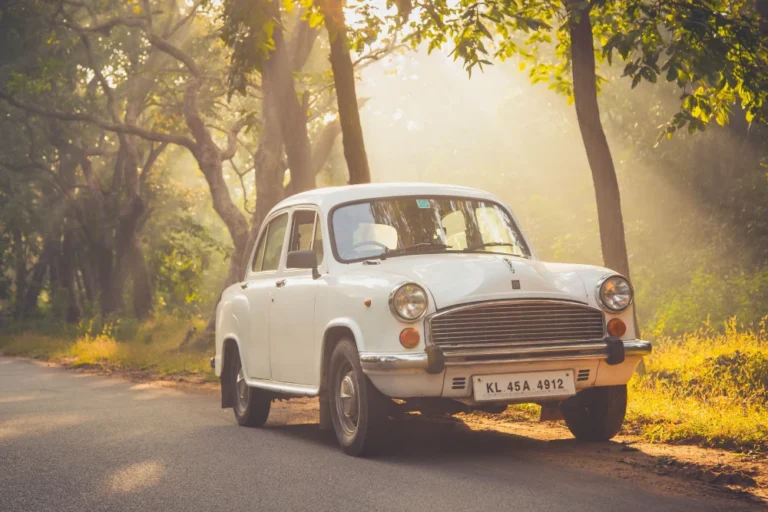
If there’s one car that defines Indian automotive history, it’s the Ambassador. Born from the Morris Oxford, this round-shouldered beauty was manufactured by Hindustan Motors from 1958 and became the default vehicle of politicians, bureaucrats and taxi fleets across the country.
Why it was special:
- Spacious interiors that could comfortably seat five with room to breathe, a rarity in its era
- Legendary durability on Indian roads, from pothole-ridden cities to rural tracks
- Iconic round headlights and chrome bumpers that made it unmistakably Indian
- The preferred car of the Indian government for decades has been a status symbol in its own right
Why it was discontinued:
2. Maruti Suzuki Esteem
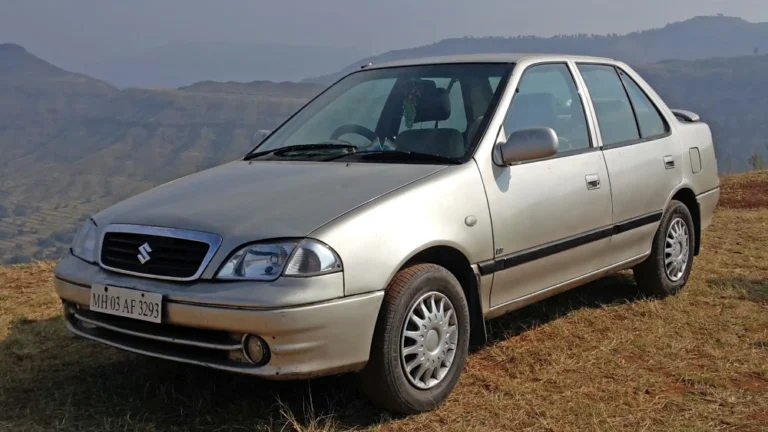
The Esteem arrived in 1994 and did something remarkable: it made the three-box sedan aspirational for middle-class India. It was the car your father drove to the office every day and polished every Sunday morning. With a proper boot, a punchy 1.3L engine and Maruti’s legendary service network behind it, the Esteem became synonymous with Indian family life through the late ’90s and 2000s.
Why it was special:
- Practical three-box design at an accessible price point
- Available with both petrol and diesel engine options
- Reliable to a fault, this was the era when Maruti’s mechanics were in every locality
- Strong resale value compared to competitors
Why it was discontinued:
The arrival of the Swift DZire essentially offered everything the Esteem had and more on a modern platform. The Esteem quietly bowed out in 2008.
3. Tata Safari (Original)
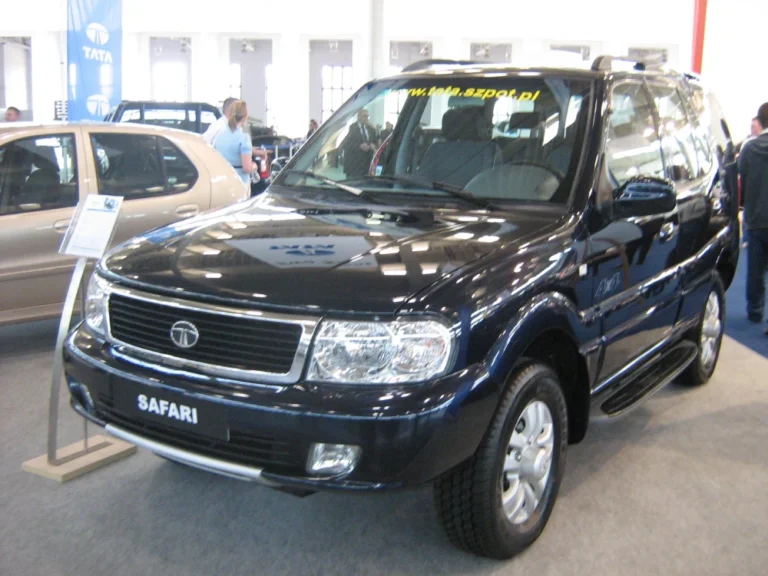
Why it was special:
- India’s first monocoque SUV, a genuine engineering milestone
- Spacious 7-seater layout that actually worked for family road trips
- Strong diesel engine that delivered real off-road capability
- Cult following among adventure enthusiasts
Why it was discontinued:
The original platform couldn’t be easily upgraded to meet BS6 emission standards, leading to its discontinuation in 2017. Tata later revived the Safari nameplate on an entirely new platform.
Car Detailing Note:
Original Safari owners are some of our most loyal customers at CarzSpa. Their vehicles see tough conditions, which makes PPF coating or Paint Protection Films, especially valuable, keeping the body protected from stone chips, scratches and India’s varied terrain.
4. Maruti Suzuki Zen
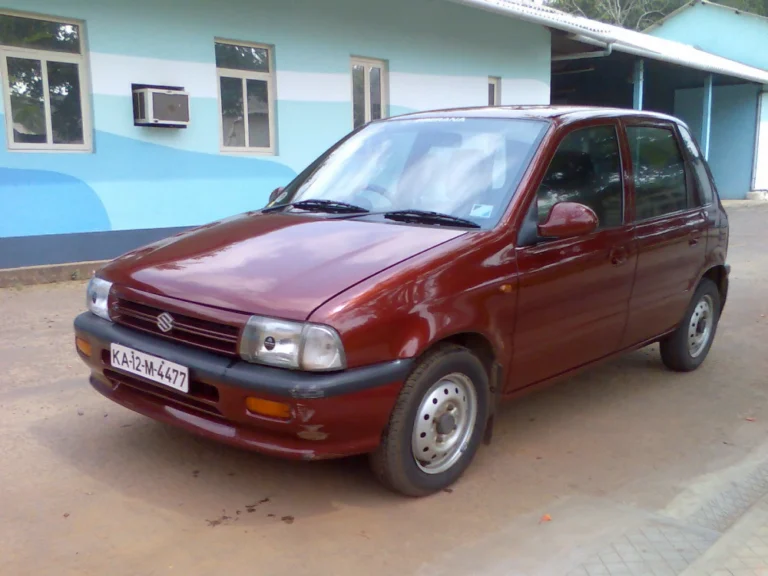
Why it was special:
- Lightweight build that made it surprisingly quick and agile
- Sharp, sporty styling that aged gracefully
- Excellent fuel efficiency for its time
- Developed a strong aftermarket community
Why it was discontinued:
5. Ford Endeavour (India Exit)
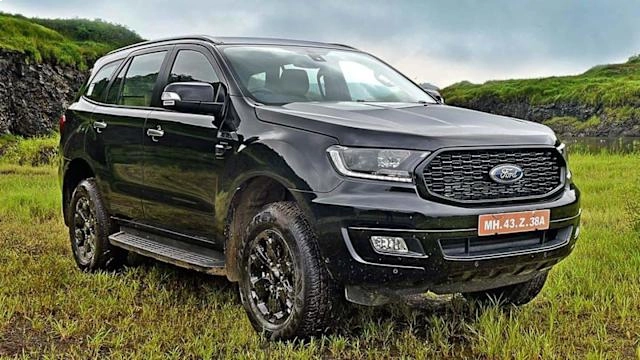
When Ford decided to exit India in 2021, the Endeavour went with it and the SUV market lost one of its most capable offerings. The Endeavour was the benchmark for premium body-on-frame SUVs in India, regularly besting rivals on off-road capability while still being refined enough for city use.
Why it was special:
- Class-leading off-road capability, including terrain management modes
- Powerful diesel engines that made highway cruising effortless
- Genuinely premium interiors with advanced tech features
- Strong resale value and a passionate owner community
Why it was discontinued:
6. Mitsubishi Lancer
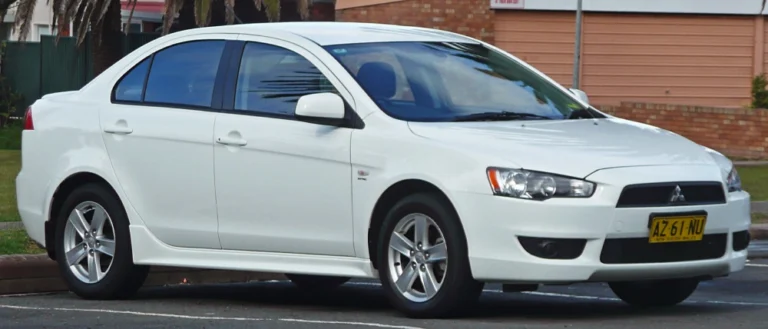
The Mitsubishi Lancer holds a special place in Indian automotive culture largely because of its association with the Lancer Evolution, the rally-bred legend that dominated World Rally Championship stages through the ’90s and 2000s. The India-spec Lancer never had the Evo’s firepower, but it had all its visual DNA. And in the early 2000s, that was more than enough.
Why it was special:
- Sports sedan styling that stood apart from the conservative competition
- Available with a 1.5L and 1.8L petrol engine, punchy for the time
- Strong brand association with Mitsubishi’s rally pedigree
- Solid build quality and good long-term reliability
Why it was discontinued:
7. Chevrolet Cruze
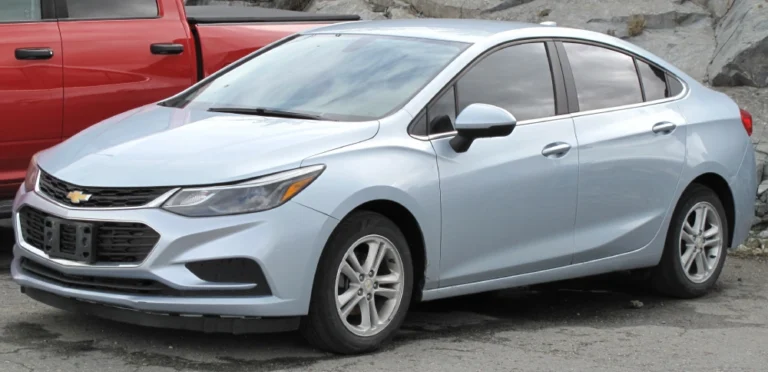
The Chevrolet Cruze was a proper driver’s car, a mid-size sedan with a turbodiesel engine that punched above its weight and genuinely rewarded someone who liked to drive. It had international styling, decent refinement and a diesel unit that made it impressively quick in a straight line.
Why it was special:
- 2.0L turbodiesel producing 164 bhp is seriously brisk for a family sedan
- Stylish European design language that held up well against competitors
- Comfortable highway cruiser with a relatively mature ride
- Cultivated a cult following among diesel performance enthusiasts
Why it was discontinued:
General Motors restructured its India operations in 2017, discontinuing several models, including the Cruze, before eventually exiting the market.
8. Premier Padmini
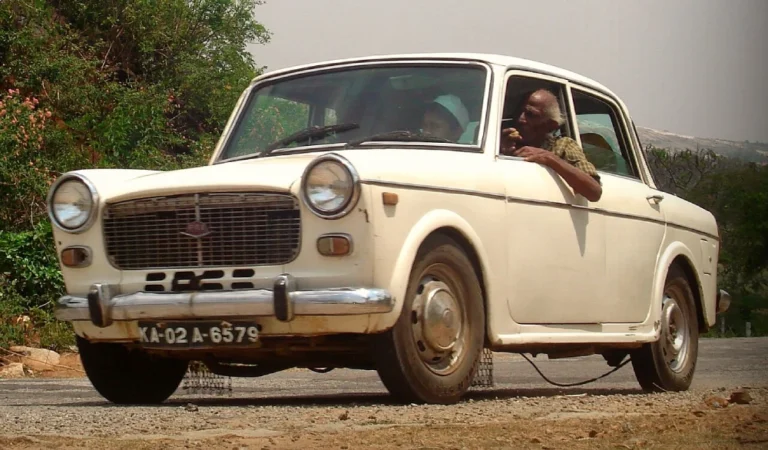
The Premier Padmini, based on the Fiat 1100, was essentially the Ambassador’s chief rival for decades. Produced by Premier Automobiles Limited from 1964 onwards, it was a fixture on Indian roads through the 1970s, ’80s and ’90s, especially as the canonical kaali peelis (Mumbai taxis) in its distinctive black-and-yellow livery.
Why it was special:
- Rugged, practical build that lasted for decades
- Became culturally embedded as the face of Mumbai’s taxi fleet
- Italian design heritage at Indian pricing
- Incredibly easy to maintain with widely available spare parts
Why it was discontinued:
Production was gradually wound down through the late 1990s as Maruti’s dominance made older models commercially unviable. The last Padminis rolled off the line around 2000.
9. Mahindra Classic (MM540/CJ)
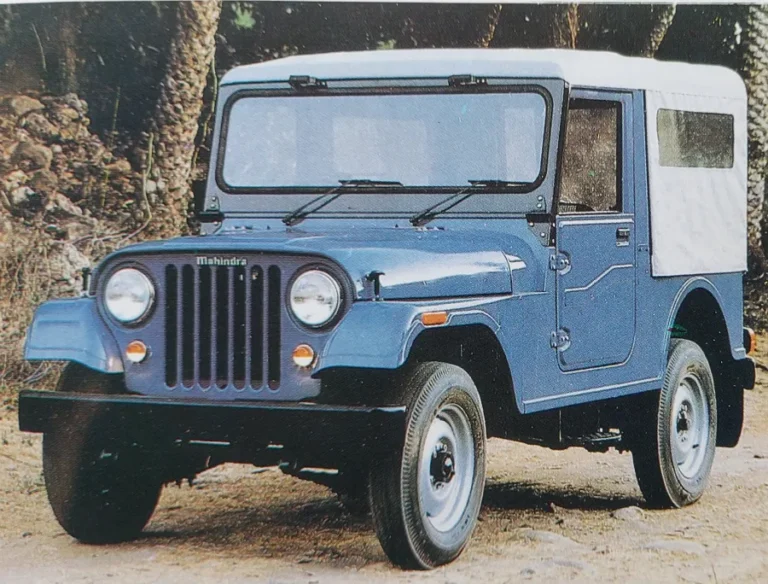
Why it was special:
- Solid axle, ladder frame construction meant for genuine off-road use
- Diesel and petrol engine options, both known for durability
- Completely stripped-back, functional design, no unnecessary frills
- Still used in military and paramilitary forces long after civilian production ended
Why it was discontinued:
Modernisation of the Mahindra lineup saw the Classic eventually phased out, replaced by more refined (and more road-biased) successors.
10. Volkswagen Phaeton
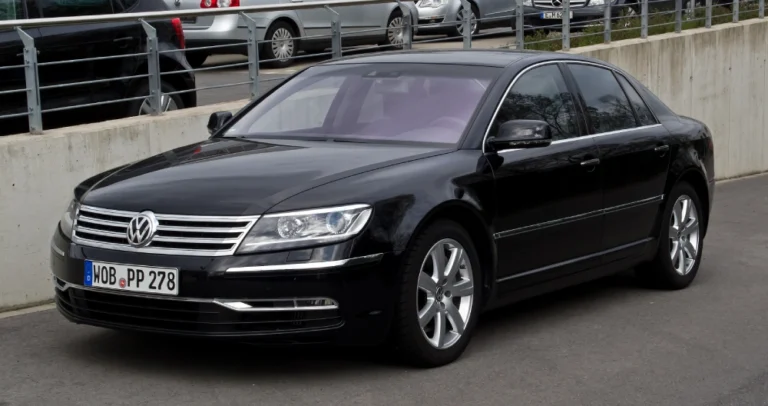
Why it was special:
- The 12-cylinder engine option in a vehicle sold under the VW badge was extraordinary
- Built on the same platform as the Bentley Continental and Audi A8
- Hand-assembled at VW’s famous “Glass Factory” in Dresden, a genuine showpiece
- Thermal management systems were so advanced that they were years ahead of competitors
Why it was discontinued:
Concluding Thoughts
Cars are more than transport. They’re chapters in the story of our lives: the first road trip, the wedding car, the school run, the late-night drive back home. Every car on this list stood for something: ambition, practicality, adventure or sheer engineering pride.
They may no longer be in production, but the ones that survive on Indian roads still deserve the best care. Whether it’s a restored Ambassador, a well-kept Zen or a pre-owned Endeavour, protecting your vehicle’s paint and interiors is the most respectful thing you can do for a machine that’s served you well.
That’s where CarzSpa comes in. With 150+ studios across India, we offer premium car paint protection, including PPF coating, ceramic coating and intensive interior cleaning, the kind of car maintenance and automotive detailing that keeps a car looking loved, for years to come. Because real car care isn’t just about appearances, it’s about preserving the things that matter.
Frequently Asked Questions
1. Why are so many iconic cars discontinued in India?
The most common reasons are emission norm upgrades (especially BS6), poor sales numbers, platform costs and, in several cases, carmakers exiting the Indian market altogether.
2. Can I still service a discontinued car?
Yes, most discontinued models can still be serviced through authorised dealers (where available), independent mechanics or specialist garages that stock older parts. For specific models, owner communities and forums are an excellent resource.
3. Is a car detailing service relevant for older or discontinued cars?
Absolutely, in fact, it’s more important. Older cars have fewer protective coatings from the factory and are harder to replace if the bodywork or interiors are damaged. A car detailing service that includes paint protection and interior care extends the life and value of a classic vehicle significantly.
4. What is PPF coating and does it work on older cars?
PPF (Paint Protection Film) is a transparent polyurethane film applied to a car’s exterior to protect the original paint from scratches, stone chips, UV damage and chemical contaminants. It works on any car regardless of age and is especially recommended for well-maintained older vehicles where the original paint is irreplaceable.
5. Does CarzSpa service older or rare vehicles?
Yes! CarzSpa’s car detailing experts work on all types of vehicles, including classics and pre-owned cars. Whether it’s ceramic coating, car paint protection or a full intensive interior cleaning, our studios are equipped for vehicles across all ages and conditions.