Let’s get straight to the question almost every car owner asks before spending money on a coating: How long does ceramic coating actually last?
The short answer? A professionally applied ceramic coating can typically last anywhere from 1 to 7 years, depending on the product, application quality, how the car is used and how well the coating is maintained.
But here’s where things get confusing.
A coating doesn’t suddenly disappear on the day its advertised lifespan ends. Its hydrophobicity may weaken before the coating has completely worn away. A badly maintained 5-year coating can also perform worse than a properly maintained 3-year coating.
So if you’re researching ceramic coating for cars, don’t just ask, “how long does ceramic coating last?” Ask what those years actually mean, what determines them and what you need to do to get the full life out of your investment.
Let’s answer all of it properly.
Table of contents
- How Long Can a Ceramic Coating Last?
- What Actually Determines How Long Ceramic Coating Lasts?
- How Does Ceramic Coating Start Degrading?
- How to Make Your Ceramic Coating Last Longer
- How Much Does Ceramic Coating Cost for Its Lifespan?
- Why Choose CarzSpa for Ceramic Coating?
- Conclusion
- Frequently Asked Questions
How Long Can a Ceramic Coating Last?
Let’s put some useful numbers on the table first. There isn’t one universal lifespan for every car ceramic coating. Different formulations are designed for different durability levels, and professional car coatings generally last considerably longer than DIY or consumer-grade products.
As a practical guide, professional ceramic coatings can broadly be grouped like this:
| Coating Type | Typical Life Expectancy | Best Suited For |
|---|---|---|
| Entry-level ceramic coating | Around 1 year | Newer cars, first-time users |
| Mid-range ceramic coating | Around 2 - 3 years | Daily drivers wanting long-term protection |
| Premium ceramic coating | Around 3 - 5 years | Owners prioritising durability |
| Graphene-infused coating | Around 5 years | Cars exposed to demanding conditions |
| Advanced borophene + graphene coating | Up to around 7 years | Premium long-term protection |
These are product life expectancies rather than guarantees that the coating will perform identically until the final day.
A 5-year coating doesn’t mean you can ignore your car for five years. Think of it more like a protective layer that might gradually deplete depending on what it goes through. Sun exposure, washing frequency, chemical contamination, hard water, bird droppings, road grime and washing technique all influence how quickly that coating might deplete.
This is why two identical cars with the same coating can have completely different experiences three years later. One might still have excellent gloss and water repellency. The other might look like it needs a ceramic coating top-up after significantly less time. The product matters. But what happens to it after application matters just as much.
What Actually Determines How Long Ceramic Coating Lasts?
Here’s the part that often gets missed when people compare ceramic coating packages. The number printed on the brochure isn’t the only thing determining longevity. A coating’s real-world lifespan depends on four major factors: the coating itself, preparation, application and maintenance.
1. The quality of the coating
Not all coatings are formulated to the same durability standard. Professional-grade coatings generally use more advanced formulations and are designed to bond with the paint surface chemically. An entry-level coating might last one year, while a premium formulation can be formulated to last several years.
2. Paint preparation
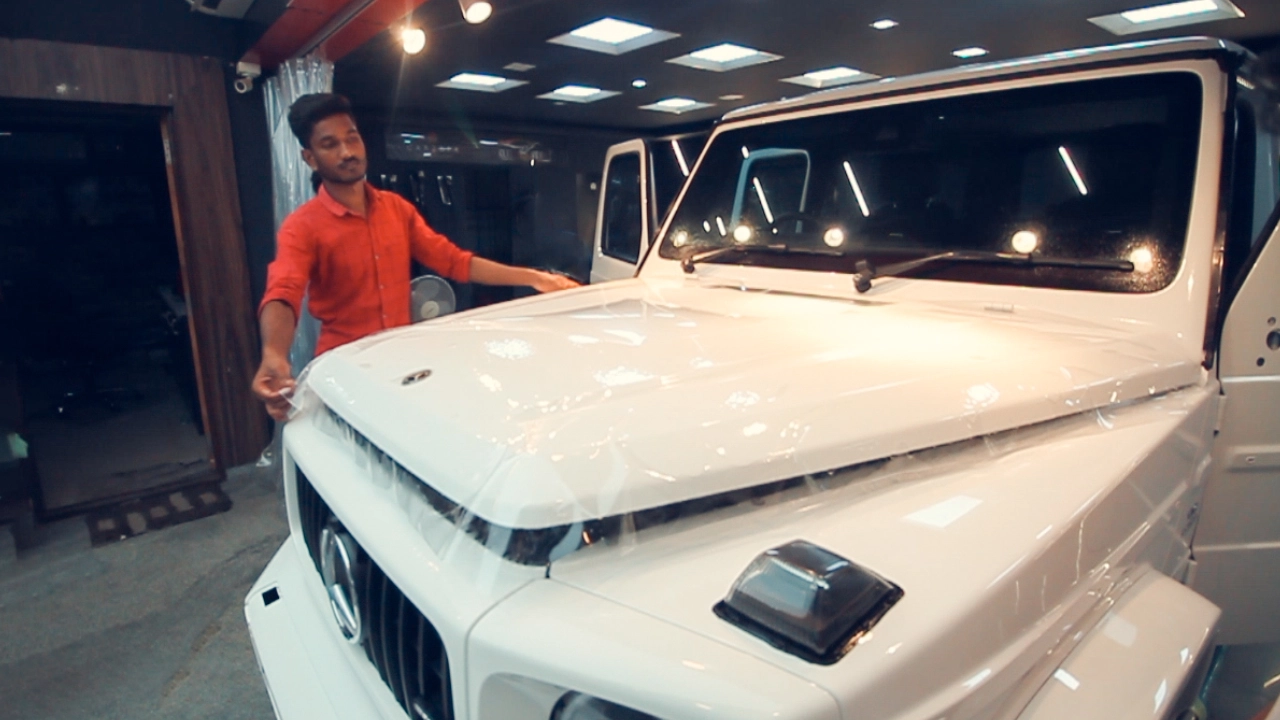
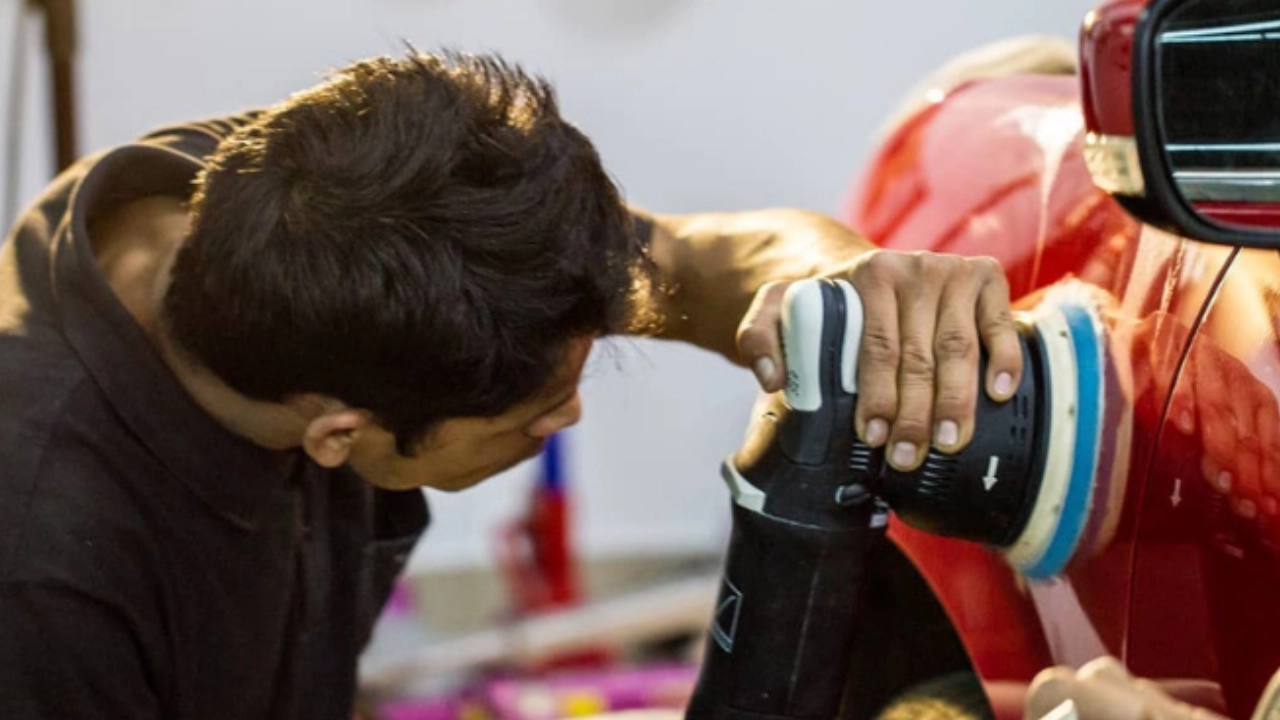
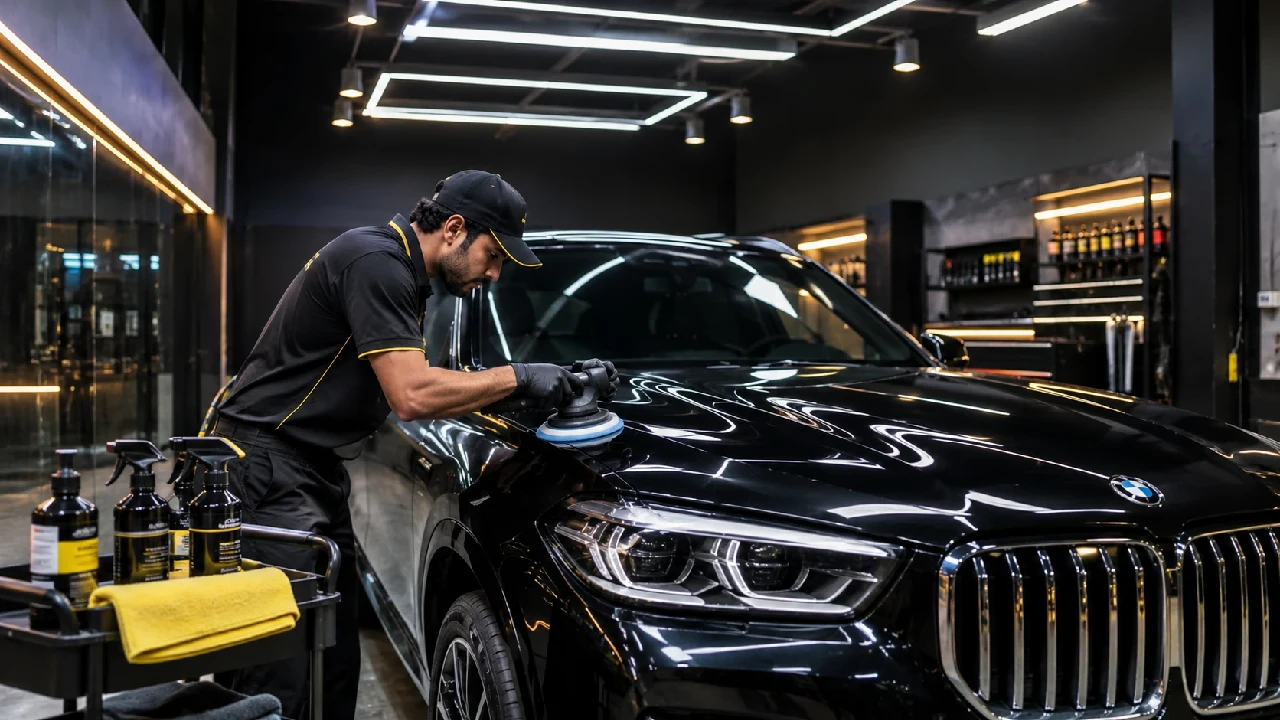
This is crucial. A ceramic coating is not a magic eraser. If your paint is covered in contamination, oxidation, water spots and swirl marks before application, the coating doesn’t simply make those problems disappear. Professional application typically involves washing, decontamination and, where necessary, paint correction before the coating is applied. The better the surface preparation, the better the coating can bond and the better the final finish looks.

3. Application quality
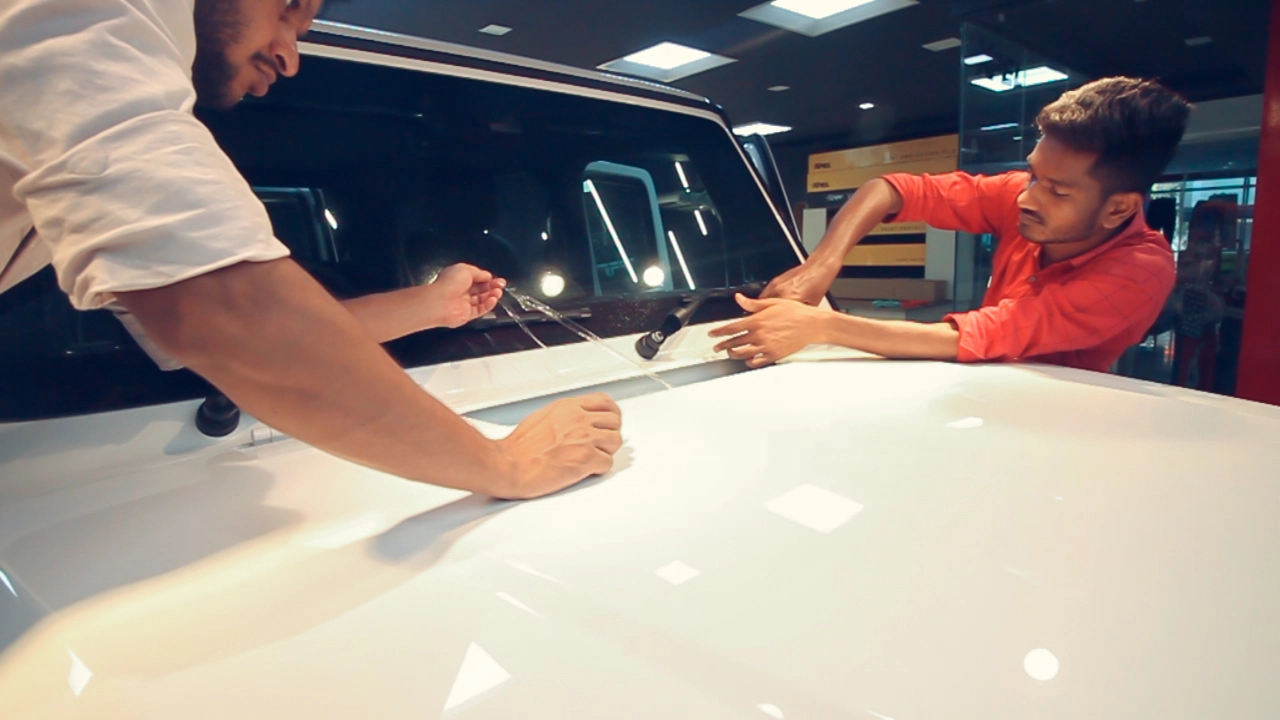
Even the best ceramic coating brand can underperform when applied incorrectly. Temperature, humidity, curing conditions, panel preparation, application technique and curing time all matter. An expert detailer knows when to apply the product, how much to use and when to level it.
This is why comparing bottles purely by brand or price doesn’t tell you the whole story.
4. How you maintain the car
A ceramic coating is durable, not indestructible. Using harsh chemicals, abrasive washing methods, automatic brushes or allowing aggressive contaminants to remain on the surface for long periods can reduce its performance.
How Does Ceramic Coating Start Degrading?
A ceramic coating doesn’t suddenly stop working when it reaches the end of its advertised lifespan. It gradually loses its performance as it is exposed to everyday conditions.
- Loss of hydrophobicity: One of the first noticeable signs is weaker water beading. Water starts spreading rather than forming tight beads.
- Constant UV exposure: Intense sunlight gradually stresses the coating, particularly on cars parked outdoors for long hours.
- Repeated washing: Frequent washing, especially with harsh chemicals or incorrect techniques, can slowly reduce the coating’s surface properties.
- Hard water and minerals: Mineral deposits can build up over time, affecting liquid repellency and making the surface appear less hydrophobic.
- Road grime and contamination: Pollution, brake dust, bird droppings, tree sap and other contaminants repeatedly degrade the surface.
- Reduced slickness and gloss: As the coating ages, the surface may feel less smooth and the paint may gradually lose some of its original depth and gloss.
This doesn’t always mean the coating has completely failed. Proper decontamination and maintenance can sometimes restore its surface performance and extend its useful life.
How To Make Your Ceramic Coating Last Longer?
A ceramic coating can provide long-term protection, but how you maintain the car has a direct impact on how long that protection performs at its best. Here are some simple habits that can help extend the useful life of your car’s ceramic coating:
- Wash it correctly: Use a pH-neutral car shampoo with a clean microfibre wash mitt and drying towel. Avoid abrasive brushes, harsh detergents and aggressive scrubbing that can unnecessarily stress the coating.
- Remove contaminants quickly: Bird droppings, tree sap, insects and industrial fallout can become increasingly difficult to remove when left on the surface. Cleaning them promptly reduces the chances of staining or surface damage.
- Dry the car properly: Don’t regularly allow water to dry naturally on the paint, particularly under direct sunlight. Hard-water minerals can leave deposits and water spots that become difficult to remove over time.
- Avoid automatic car washes: Spinning brushes can introduce swirl marks and fine scratches. A ceramic coating makes cleaning easier, but it does not make the paint immune to poor washing practices.
- Use recommended maintenance products: Depending on the coating system, your detailer may recommend a ceramic booster or maintenance treatment to refresh hydrophobicity and surface slickness.
- Get the coating inspected: If water behaviour or surface feel changes suddenly, don’t immediately assume the coating has failed. Professional inspection and decontamination may restore its performance.
- Follow the aftercare instructions: Different coatings can have different maintenance requirements. Always follow the recommendations provided by the professional who applied your coating.
The principle is simple: the better you maintain your car, the longer your ceramic coating can perform as intended.
How Much Does Ceramic Coating Cost for Its Lifespan?
Ceramic coating price ranges broadly between ₹10,000 and ₹55,000 depending on vehicle size, product, paint condition and preparation, with premium packages extending higher.
Why such a huge range?
Because you’re not simply paying for a liquid glass coating. You’re paying for the product, surface preparation, detailing expertise, paint correction where required, application environment and the expected durability of the system.
The prices also vary as per the product and its hardness. For instance, a good 9H hardness ceramic coating like Trinity 9H on an SUV would cost approximately ₹23,000. If you’re choosing a high quality graphene coating like Pentagon Impact on your car, the cost can go up to ₹30,000 or more. And you get something unique like the borophene + graphene coating like Apex, the price begins at ₹45,000.
Note: These are estimated prices, the actual cost may vary depending on various factors.
Why Choose CarzSpa for Ceramic Coating?
A ceramic coating is only as good as the combination of product, preparation, application and aftercare.
That’s why choosing the right detailing studio matters.
CarzSpa’s CrystalShield ceramic coating range is developed specifically for automotive paint protection, with different coating options designed around different durability and performance requirements. The current range includes products from one-year protection through to the seven-year expected life of Apex (Borophene + Graphene).
- Advanced CrystalShield technology: The range uses nano-ceramic technology designed to bond with the vehicle’s clear coat and provide hydrophobicity, gloss and environmental protection.
- Multiple coating options: From entry-level protection to advanced graphene and Borophene + Graphene technology, there’s more than one coating for car paint protection.
- Professional paint preparation: CarzSpa places particular emphasis on paint correction before coating, because the condition of the paint underneath matters just as much as the coating itself.
- Expert applicators: Professional application helps ensure the coating is applied correctly and the surface is properly prepared.
- Maintenance support: Every CarzSpa studio offers post-application maintenance support and guidance to car owners to ensure the coating lasts years.
Because if you’re investing in ceramic coating to protect your car for years, the application shouldn’t be treated like a quick wash-and-go job.
Conclusion
So, how long does ceramic coating last? A professional ceramic coating can typically last anywhere from around 1 to 7 years, depending on the product, preparation, application quality, driving conditions and maintenance. Premium coatings can offer several years of protection, but longevity isn’t simply a number printed on a package. The good news is that proper maintenance can significantly improve your ownership experience and help you get closer to the coating’s intended lifespan.
So before choosing a car ceramic coating, check what you’re getting applied, who is applying it, how the paint is being prepared and what maintenance is required. Because the longest-lasting coating isn’t necessarily the one that promises the most years. It’s the one that’s properly chosen, properly applied and properly looked after.
And for the best ceramic coating brand, you can always visit CarzSpa for CrystalShield Coatings.
Frequently Asked Questions
1. How many years does ceramic coating last on a car?
A professional ceramic coating can typically last around 1 – 7 years, depending on the product, application quality, environmental exposure and maintenance. Premium coatings generally offer longer life expectancies than entry-level products.
2. Does ceramic coating wear off?
Yes. Ceramic coating gradually loses performance over time rather than suddenly disappearing. Hydrophobicity, gloss and resistance to contaminants can decline as the coating ages and is exposed to environmental conditions.
3. Can ceramic coating last 5 years?
Yes. Premium professional coatings can have a stated life expectancy of around five years or longer. However, achieving that lifespan depends heavily on correct application, regular washing and appropriate maintenance.
4. How often should I maintain ceramic coating?
Regular washing with a pH-neutral shampoo is essential. Depending on the coating system and condition, your detailer may also recommend periodic maintenance treatments or boosters to refresh surface performance.
5. Is ceramic coating worth it for long-term car protection?
It can be worthwhile for owners who want long-lasting gloss, easier cleaning and protection from environmental contaminants. The right coating depends on your car, usage, parking conditions, budget and maintenance habits.
Share: