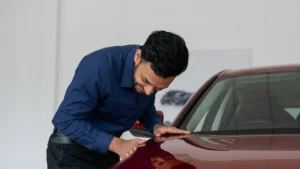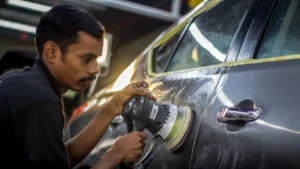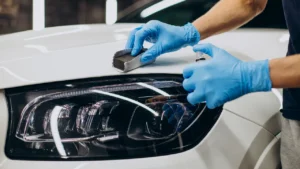
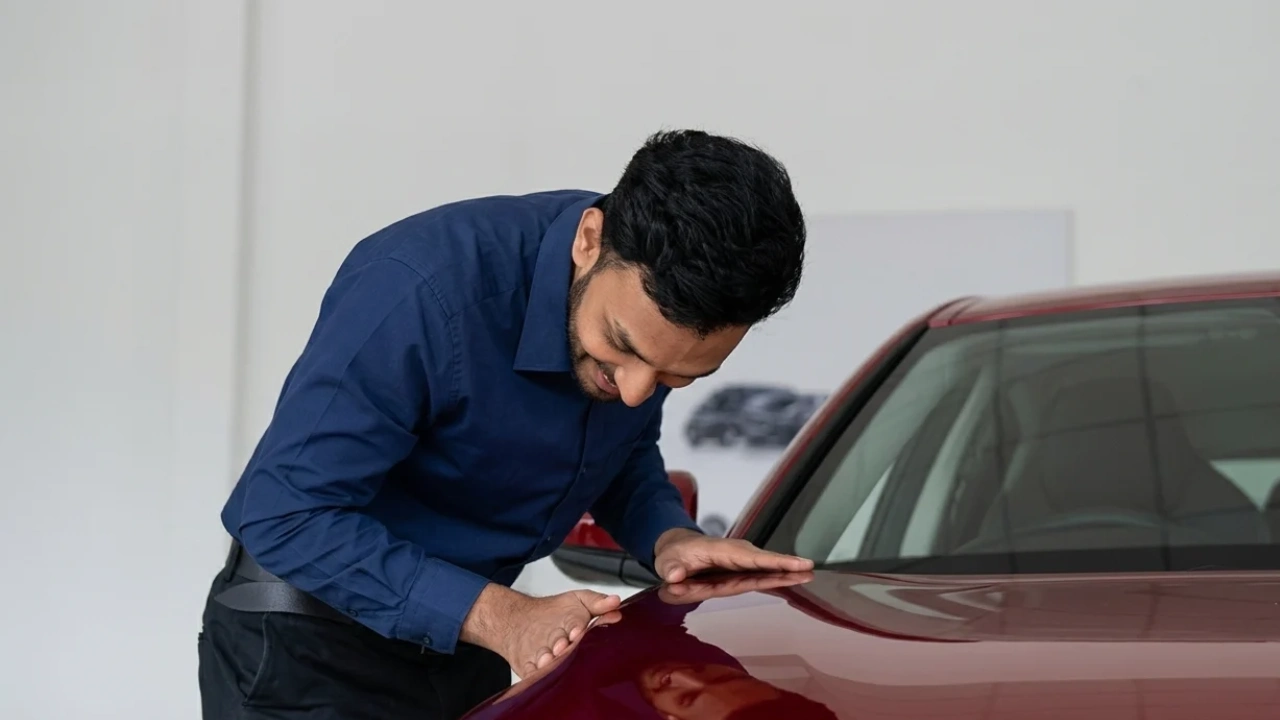
Your car may look perfectly clean when you drive it out of the showroom. But once it starts facing Indian roads and weather with everyday use, its paint has to deal with much more than just dust.
Harsh sunlight can slowly fade the colour. Dust and grit can create fine scratches during washing. Bird droppings can leave stubborn marks when they are allowed to sit on the surface. Road debris can chip the paint, while rain, pollution and hard water can leave stains and deposits behind.
The problem is that paint damage rarely happens overnight. It builds up slowly, often starting with a dull finish, light swirl marks or small stains before becoming more difficult and expensive to correct.
So, what causes car paint damage in India? Why does car paint fade? And what can you do to prevent it?
This guide breaks down the most common causes and explains practical ways of car paint protection.
Table of contents
What Causes Car Paint Damage in India?
Indian cars face a combination of weather, road conditions and daily-use challenges. In many cases, paint damage comes from several factors working together rather than one single cause.
1. UV rays and harsh sunlight
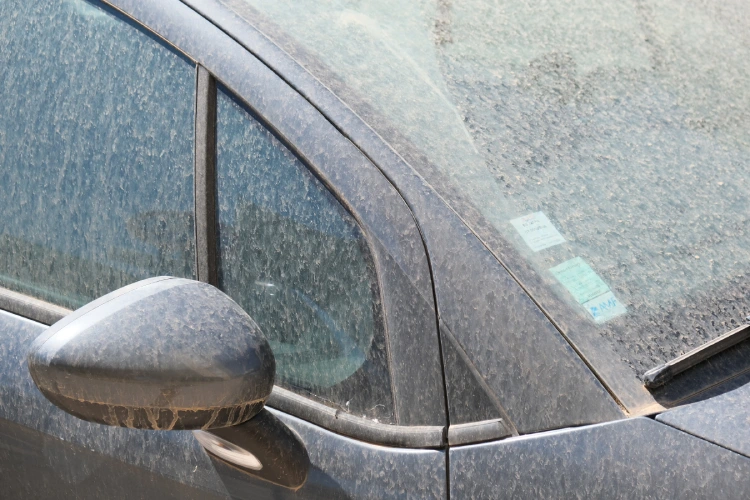
UV rays can break down the chemical bonds in automotive paint over prolonged exposure. This gradually affects the pigments and clear coat, causing the colour to lose its depth and the finish to look dull. Heat from prolonged sun exposure can further accelerate this process, especially when a car is parked outdoors for several hours every day.
2. Dust and road grit
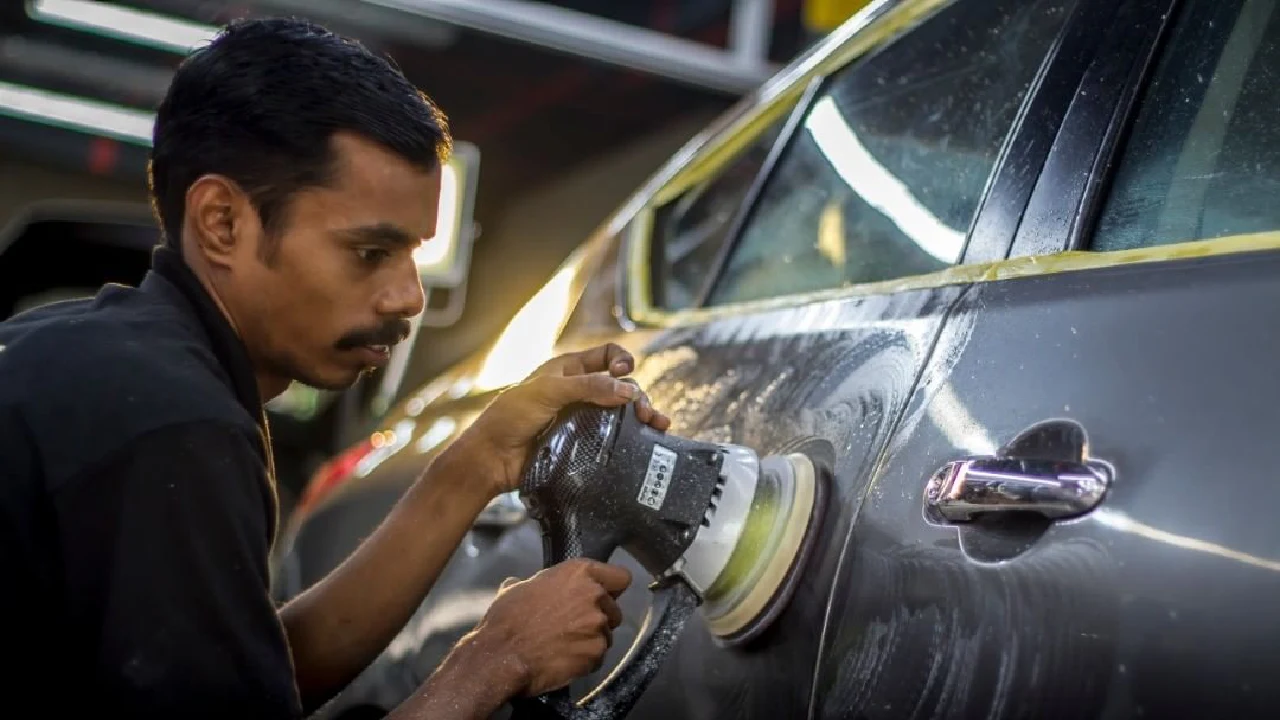
Dust often contains tiny sand and mineral particles that can act like abrasives against the paint. When these particles are wiped across a dry or dirty surface, they can create fine scratches and swirl marks in the clear coat. Repeated exposure and incorrect cleaning can gradually make the paint look less glossy and more worn.
3. Bird droppings
4. Tree sap and organic contamination
Tree sap is sticky and can bond to the paint surface, making it difficult to remove with normal washing. When exposed to heat and sunlight, it can harden further and may leave a stubborn residue or stain. Leaves, pollen and other organic matter can also trap moisture and contaminants against the paint when left there for extended periods.
5. Road debris
Small stones, gravel and other debris can be thrown into the car by passing vehicles or tyres. When these particles strike the paint at speed, they can chip or scratch the surface. The front bumper, bonnet, fenders and other forward-facing areas are particularly exposed. Repeated impacts can leave multiple chips that become increasingly visible over time.
6. Rain and hard water
Rain can pick up dust, pollution and other contaminants before landing on your car. When the water evaporates, these contaminants and dissolved minerals can remain on the surface. Hard-water deposits can form visible spots and, if left untreated, may become increasingly difficult to remove. Repeated exposure can leave the paint looking dull and stained.
7. Incorrect washing
How to Prevent Car Paint Damage
There is no single method that can stop every type of paint damage. The most practical approach is to reduce exposure and choose car paint protection according to your driving conditions.
Park under shade
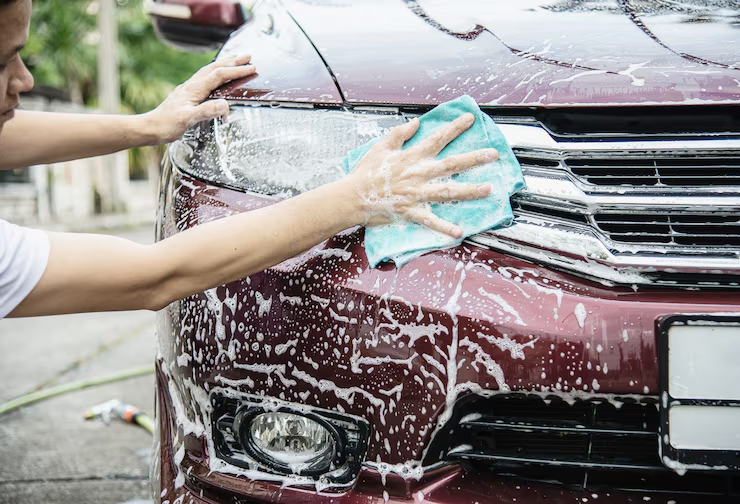
Wash the car correctly
Deal with minor problems early
Regular car detailing
Get Car Paint Protection
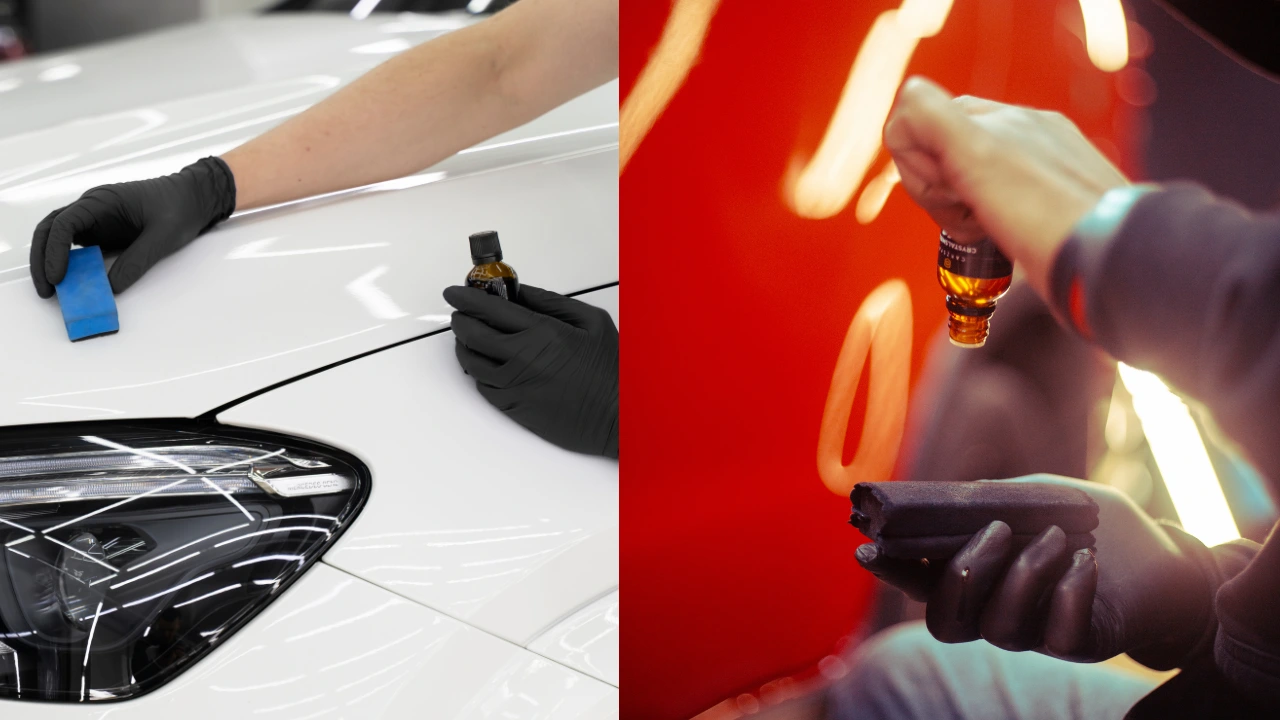
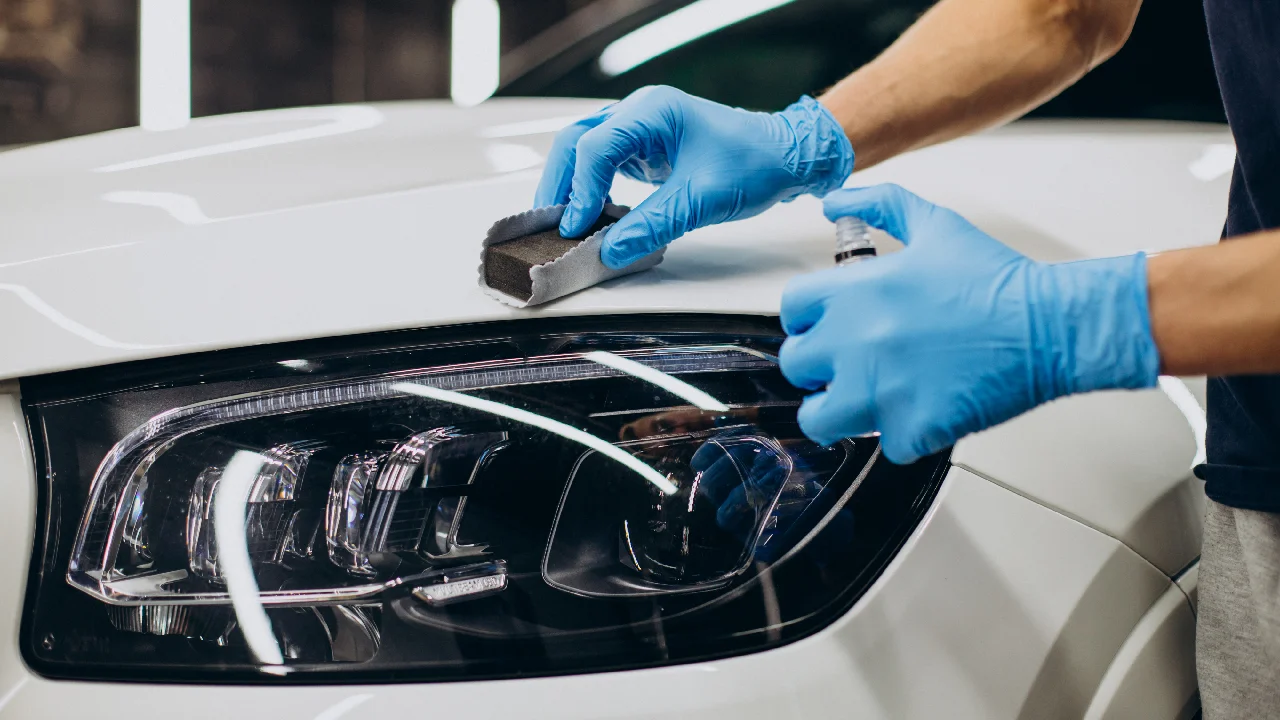
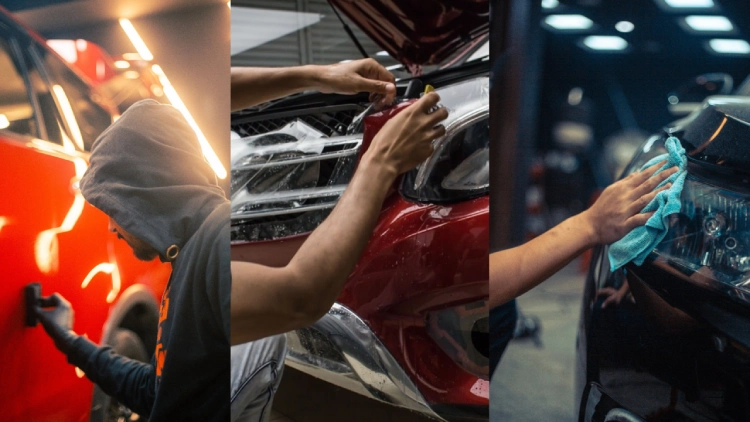
Getting a ceramic coating for your car or a PPF coating is the best way to protect your car from environmental aggressors and other naturally occurring damage. A ceramic coating forms a hardened protective layer that bonds with the car paint’s clear coat, adding to its gloss, dust and water repellency and chemical resistance. A paint protection film provides impact resistance and shields the car paint from scratches, rock chips and abrasions.
The right solution therefore depends on the kind of damage your car faces most often.
How to Choose the Right Car Paint Protection?
There is no single car paint protection solution that is ideal for every car owner. The right choice depends on where you drive, where you park, how often you use your car and the kind of damage it faces. Consider these factors before choosing a protection solution:
- Consider your daily driving conditions: If you regularly drive on highways, busy city roads, construction zones or roads with loose gravel, your car is more exposed to stone chips, scratches and road debris. In such cases, paint protection film can provide a physical layer of protection over vulnerable painted surfaces.
- Think about how much sun your car faces: Cars that spend long hours parked outdoors are regularly exposed to UV rays and heat. If fading and environmental exposure are your main concerns, a ceramic coating for car can help protect the surface while also making it easier to clean and maintain.
- Look at where you park: Parking under trees can expose your car to bird droppings, tree sap and leaves, while open parking exposes it to sunlight, dust and rain. Understanding your regular parking environment can help you decide what kind of protection your car needs.
- Consider the level of physical protection you need: Ceramic coating can improve surface protection, gloss and resistance to environmental contaminants, but it is not designed to absorb stone-chip impacts. If physical damage from road debris and minor scratches is a major concern, PPF coating is better suited to those areas.
- Think about maintenance requirements: If you want your car to remain easier to clean, a ceramic coating can provide a hydrophobic surface that helps water and dirt move off more easily. However, it does not eliminate the need for regular washing and proper maintenance.
- Protect high-risk areas if full coverage is not required: You do not necessarily have to protect every painted panel in the same way. Areas such as the front bumper, bonnet, fenders, ORVMs and door edges face more exposure to road debris and everyday contact. These can be prioritised for PPF based on your usage.
- Consider combining protection solutions: PPF and ceramic coating serve different purposes and can complement each other. PPF can provide physical protection against impacts and scratches, while ceramic coating can add hydrophobicity, gloss and easier maintenance.
- Do not overlook installation quality: The quality of the application is just as important as the product you choose. Proper surface preparation, professional installation and suitable aftercare can have a direct impact on the appearance and performance of the protection.
Ultimately, the right car paint protection is the one that matches your car’s actual exposure. Consider your driving, parking and maintenance habits first and then choose the protection that addresses the risks your car faces most often.
Why Choose CarzSpa for Car Paint Protection?
Choosing the right car paint protection is about more than selecting a product. The experience of the installer, quality of the materials and after-sales support all play an important role. CarzSpa brings all three together through its professional detailing and paint protection expertise.
- Expertise in professional detailing: With years of experience in car detailing, CarzSpa’s teams understand how to prepare different paint surfaces before applying protective treatments. From paint correction to ceramic coating application and PPF installation, the focus is on proper preparation and professional application.
- Exclusive CrystalShield range: CarzSpa offers its exclusive CrystalShield range of ceramic coatings, including Apex, its borophene + graphene coating. Designed as a next-generation coating, CrystalShield Coatings combines high-grade material science and precise application to offer enhanced surface protection, durability and a smooth, water-repellent finish.
- Aegis PPF installation: For physical paint protection, CarzSpa installs its exclusive Aegis PPF range. With multiple film options, Aegis is designed to protect vulnerable painted surfaces from everyday scratches, stone chips, road debris and environmental exposure.
- Pan-India reach and warranty support: With a network of 150+ CarzSpa Detailing Studios across India, customers have access to professional paint protection services across the country. Aegis PPF warranty support can also be availed through the CarzSpa studio network, giving customers greater convenience even when they move between cities.
Whether you need ceramic coating, PPF or professional detailing, CarzSpa combines product quality with trained application and nationwide support.
Conclusion
Paint damage is rarely caused by one dramatic event. More often, it is the result of repeated exposure to sunlight, dust, bird droppings, pollution, road debris, water spots and incorrect washing. The good news is that much of this damage can be reduced with simple habits. Clean contaminants promptly, wash the car correctly, park under cover when possible and address small paint problems before they become bigger ones.
For additional protection, products such as PPF and ceramic coating can help in different ways. PPF is designed to provide a physical barrier against impacts and scratches, while ceramic coating helps protect against environmental contaminants, UV exposure and makes maintenance easier.
The key is not simply protecting your car from every possible risk. It is understanding the risks your car faces every day and choosing the right level of protection for them.
Frequently Asked Questions
1. What causes car paint damage in India?
Common causes include UV exposure, dust, road debris, bird droppings, tree sap, pollution, hard-water deposits, incorrect washing and minor everyday scratches.
2. Why does car paint fade?
Long-term exposure to UV rays, heat and environmental contaminants can gradually affect the appearance of automotive paint, making colours look dull or faded over time.
3. How can I prevent car paint damage?
Wash your car correctly, remove bird droppings and contaminants quickly, avoid abrasive cleaning materials, park under cover when possible and consider professional paint protection.
4. Does ceramic coating prevent scratches?
No. Ceramic coating can provide surface protection and resistance against minor abrasions, but it is not scratch-proof. PPF is better suited to protecting against physical impacts such as chips and scratches.
5. Is PPF better than ceramic coating?
They protect against different types of damage. PPF provides a physical barrier against impacts, scratches and chips, while ceramic coating focuses more on gloss, hydrophobicity, UV and environmental protection.