
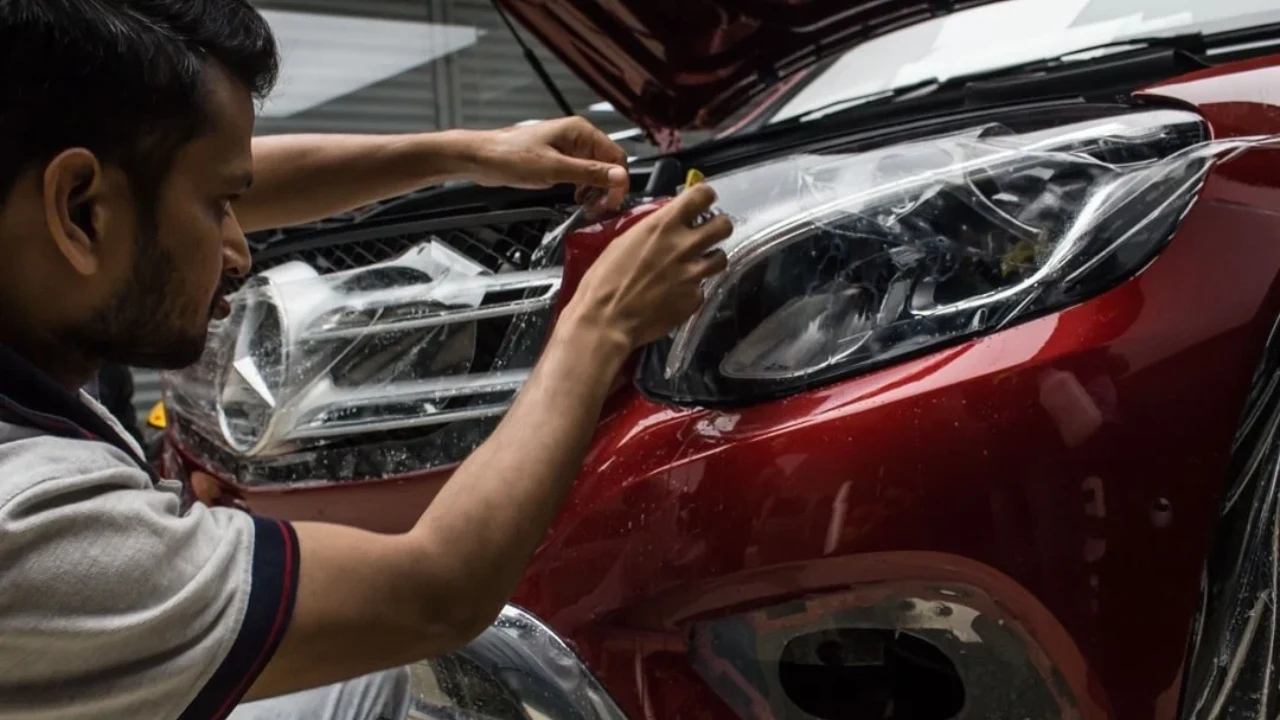
This is the guide you have been looking for even before you took delivery of your car. Having worked on lakhs of cars of various shades and paint jobs across the subcontinent, our car paint protection experts have created the ultimate 10 essential steps to protect your car’s paint.
Because we know you waited over 6 months just to get your dream car in the particular colour you wanted. But with the outdoors bringing dust, potholes, traffic, construction zones, monsoon rain and intense summer heat, keeping that showroom finish intact can be challenging.
Even simple habits like washing your car incorrectly or leaving bird droppings on the surface for too long can gradually affect the paint. The good news is that protecting your car’s paint does not always mean expensive treatments. Regular maintenance, careful washing and smart parking choices can go a long way. For additional protection, modern solutions such as ceramic coating for cars and car paint protection films (PPF) can create a stronger barrier against environmental and physical damage.
Table of contents
- Wash Your Car the Right Way
- Use the Right Car Wash Products
- Dry Your Car Properly
- Remove Bird Droppings and Contaminants Quickly
- Park Smartly and Protect Your Car from the Sun
- Use the Right Cleaning Tools
- Fix Scratches, Chips and Paint Damage Early
- Detail and Protect the Paint Regularly
- Consider Ceramic Coating for Long-Term Protection
- Use PPF for High-Impact Areas
- Why Choose CarzSpa for Car Paint Protection?
- Conclusion
- Frequently Asked Questions
1. Wash Your Car the Right Way
Washing your car regularly is one of the simplest ways to protect its paint, but the technique you use matters just as much as how frequently you wash it. Dirt, dust and road grime can contain tiny abrasive particles. If these are rubbed across the surface, they can create fine scratches and swirl marks.
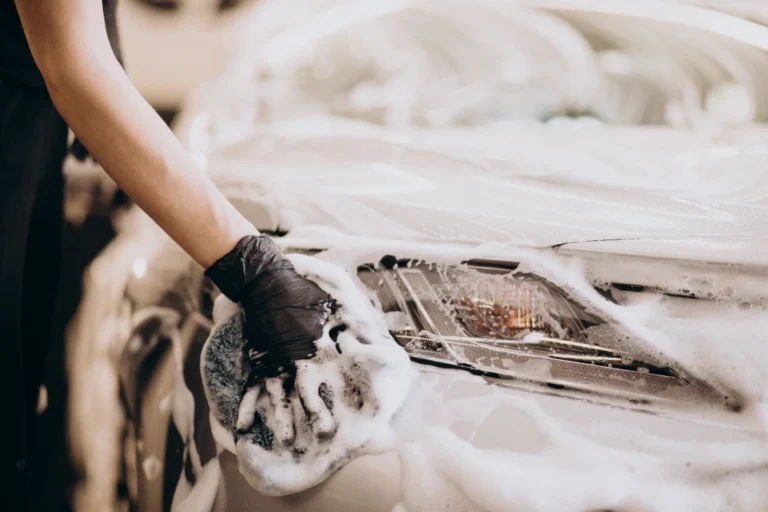
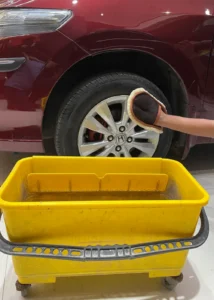
How to Wash: Start by rinsing the car thoroughly to loosen loose dirt before touching the paint. A two-bucket wash method is useful, one bucket for your car shampoo solution and another for rinsing the wash mitt.
Use a clean microfiber or dedicated car-wash mitt rather than an old cotton cloth or household sponge. Work from the roof and upper panels towards the lower sections.
Actionable Advice: Always wash your car in the shade and avoid doing it immediately after a long drive when the panels are hot. Never rub dry dust off the paint with a cloth.
2. Use the Right Car Wash Products
Not every cleaning product is designed for automotive paint. Shampoos, soaps, household detergents and dishwashing liquids may remove grease, but their chemical formulations can react with the paint and damage its protective layers.
What to Use: Choose a pH-balanced car shampoo designed for automotive surfaces. These products are formulated to clean dirt and grime while being gentler on the paint and protective layers. You should also keep separate cleaning products for different parts of the vehicle. Wheels and tyres accumulate brake dust and road grime that you don’t want to transfer onto painted panels.
Avoid using:
- Regular shampoo or soap
- Dishwashing liquid or household detergents
- Rough cotton rags
- Dirty sponges
- The same mitt on wheels and painted panels
3. Dry Your Car Properly
Washing removes dirt, but poor drying can leave behind another problem – water spots. This can be particularly noticeable in areas with hard water, where dissolved minerals can remain on the paint after water evaporates. If these deposits are repeatedly allowed to dry on the surface, they can become increasingly difficult to remove and may eventually require car detailing and paint correction.
How to Dry: After rinsing, use a clean microfiber towel to absorb water safely. Instead of aggressively dragging a towel across the surface, gently blot or glide it over the panels with minimal pressure.
Never allow your car to air-dry under strong sunlight immediately after washing. Washing in the shade and drying the vehicle immediately can make a significant difference. A ceramic coating on the car can also make water and contaminants easier to remove.
4. Remove Bird Droppings and Contaminants Quickly
Bird droppings, tree sap, bug splatter and other organic contaminants are more than cosmetic problems. If they remain on the paint for a long period and get dried, it becomes harder to remove and may cause staining or etching. The longer it remains baked onto the surface, the more difficult it can be to remove.
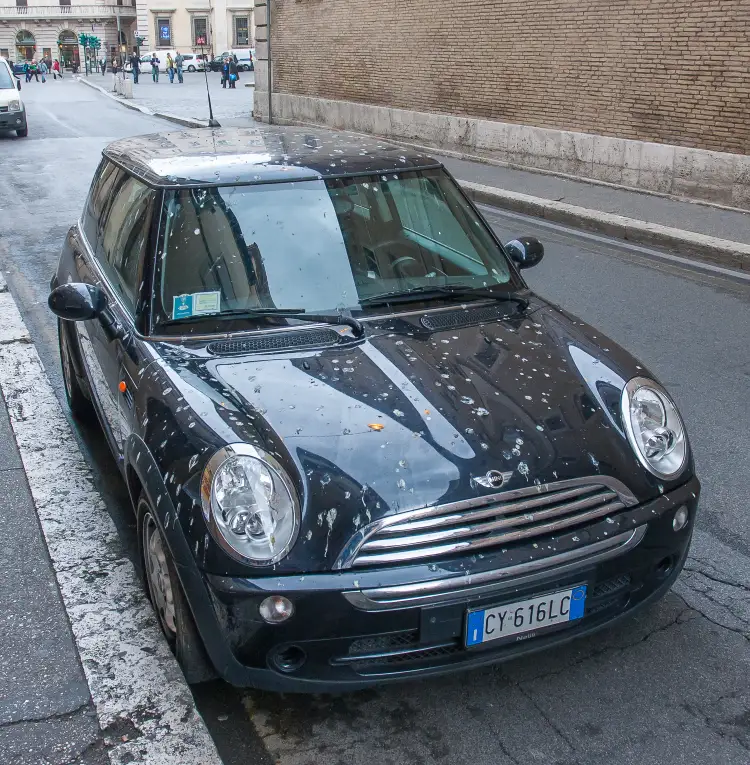
How to Clean Them: As soon as you spot bird droppings, sap, or insect remains, clean it off with a wet wipe. Never scrape or scrub dried bird droppings aggressively with sharp objects. Instead, use a suitable wet tissue or a damp microfiber cloth to loosen it and then gently wipe it off.
This is particularly useful during summer, when cars parked outdoors can accumulate bird droppings and tree sap quickly.
5. Park Smartly and Protect Your Car from the Sun
Continuous exposure to intense sunlight can accelerate paint and clear-coat deterioration, while parking beneath trees can expose the vehicle to bird droppings, tree sap and pollen.
Construction areas can create another problem, with fine dust and other contaminants settling on the paint.
Whenever possible, choose covered or shaded parking. If a covered space isn’t available, consider the surrounding environment before leaving the car for several hours.
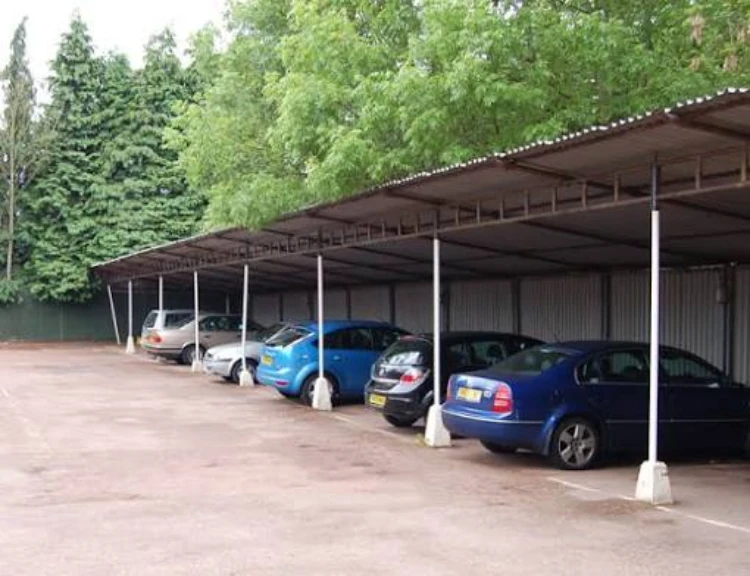
For example:
- Avoid parking directly under trees for long periods.
- Stay away from active construction zones where possible.
- Use covered parking during extreme summer heat.
- Avoid placing a car cover over a dirty car.
- Choose a properly fitted, breathable cover if outdoor covering is necessary.
6. Use the Right Cleaning Tools
Your cleaning tools come into direct contact with the paint, which means they can either help protect it or gradually contribute to scratches and swirl marks.
Always keep separate tools for different parts of your car:
- Painted surfaces: Use a dedicated microfiber wash mitt and drying towel.
- Wheels: Use a separate wheel brush or mitt because brake dust can be abrasive.
- Glass: Keep a dedicated glass-cleaning microfiber towel.
- Interior: Use separate cloths for dashboards and upholstery.
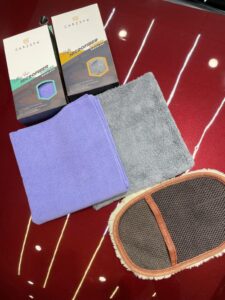
Expert Advice: Inspect your towels regularly. If a microfiber towel feels rough, contains embedded dirt or has become heavily worn, replace it rather than risking your paint.
Think of your detailing tools as part of your car paint protection routine. The right tools cannot prevent every form of damage, but they can significantly reduce the amount of unnecessary contact and abrasion during routine maintenance.
7. Fix Scratches, Chips and Paint Damage Early
Small scratches and stone chips are common, particularly on cars that spend considerable time on highways or busy city roads. A minor mark may initially appear to be nothing more than a cosmetic issue, but exposed areas of the underlying paint system should not simply be ignored.
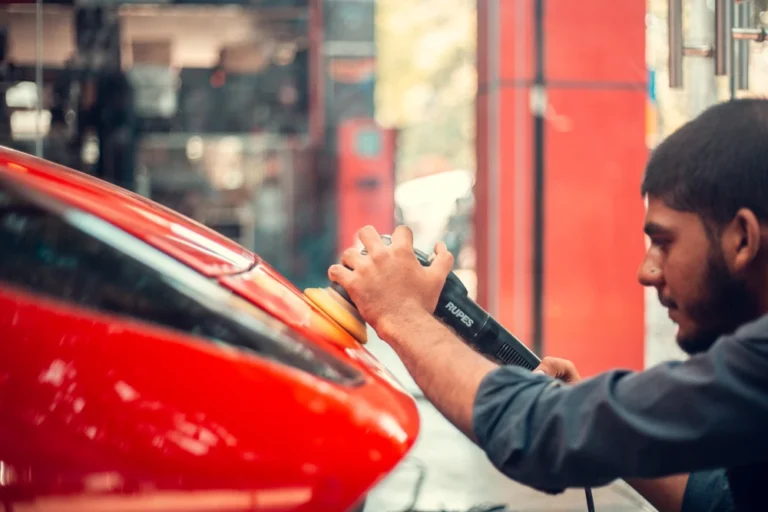
Stone chips are particularly common on the front bumper, bonnet and front fenders, where road debris can strike the vehicle. If you notice significant damage, get it assessed rather than repeatedly polishing the affected area. Paint correction can help with suitable surface-level defects, while more serious damage may require touch-up or professional repair.
This is also where preventive protection becomes important. If your car frequently encounters highway debris, installing PPF coating on vulnerable areas can help reduce the risk of physical damage reaching the paint.
8. Get Car Detailing Done Regularly
Routine washing maintains cleanliness, but it doesn’t always remove stubborn contaminants or correct minor imperfections accumulated over time. A professional car detailing service can help deep clean the car and restore the appearance of the paint. If your car is exposed to heavy traffic, construction dust, monsoon grime or frequent outdoor parking, a consistent detailing routine can make maintenance easier.

When you get professional car detailing, it undergoes foam washing, followed by clay bar treatment, sanding, compounding, finishing and paint sealant application as a part of the paint refinement process. All of these on the painted surfaces of the car, while other aspects of car detailing also include intensive interior cleaning, water spot removal, ozone air purification treatment, alloy wheels polishing, etc.
9. Consider Ceramic Coating for Long-Term Protection
Ceramic coating for cars can help protect its original paint from environmental aggressors like dust and UV exposure and chemical reactions from bird droppings, tree sap and acid rain. Ceramic coating forms a hydrophobic layer on the applied surface, preventing liquids from staying stagnant on the paint and leaving mineral deposits. Water and other liquids bead and roll off the surface easily.
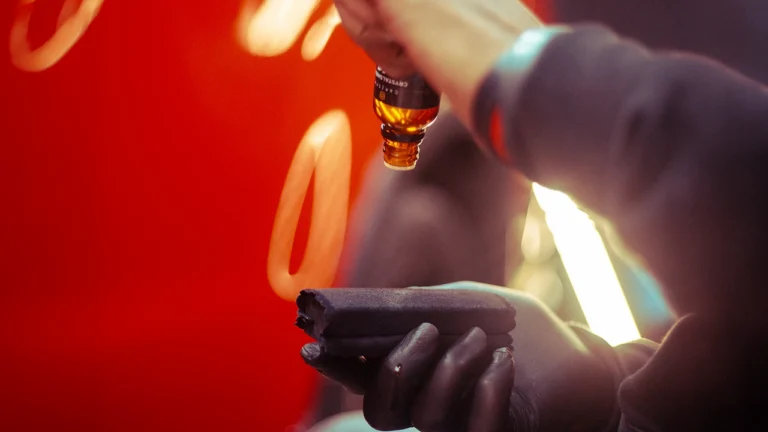
Ceramic coating works particularly well for owners who want to maintain gloss while making regular cleaning easier. Before choosing a coating, ask about the material percentage (silicone dioxide, graphene or borophene), its pencil hardness, expected service life, maintenance requirements and aftercare. Currently, the market has ceramic coating variants made of silicone dioxide, graphene, and borophene, with hardness of either 9H or 10H.
10. Use PPF for High-Impact Areas
Some forms of paint damage cannot be prevented through careful washing or ceramic coating. Stone chips, road debris and minor physical impacts can strike the paint even when the vehicle is meticulously maintained.
This is where PPF coating becomes particularly useful.
Paint protection film is a transparent film applied over painted surfaces to create a physical barrier between the paint and external hazards. Depending on the vehicle and owner’s requirements, it can be installed on high-impact areas or across larger sections of the vehicle.
Where to Consider PPF
Common high-impact areas include:
- Front bumper
- Bonnet
- Front fenders
- ORVMs
- Door edges
- Door cups
- Headlamp areas
A full-body installation can also be considered by owners who want broader protection.
Why Choose CarzSpa for Car Paint Protection?
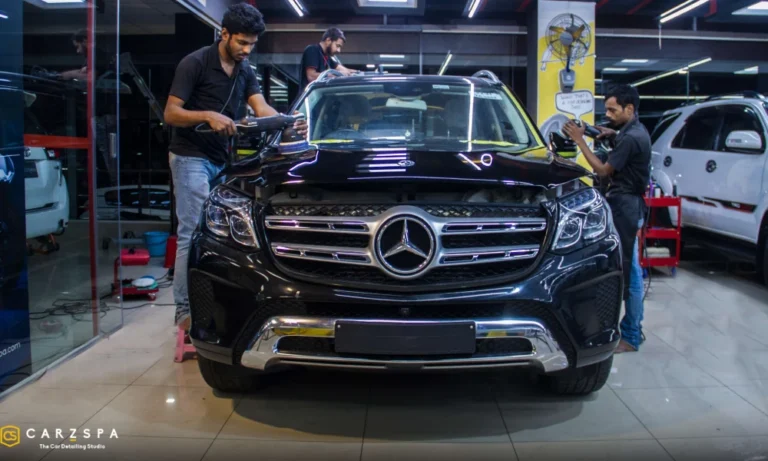
At CarzSpa Detailing Studios, you get a complete solution for paint protection for cars. Right from complete car detailing packages, options to choose from ceramic coating, graphene coating and borophene coatings by CrystalShield Coatings and an exclusive selection of car PPFs from Aegis Films – one of the best PPF brands in India.
CarzSpa currently has over 150 detailing studios spread across 80+ cities of India and Nepal, offering their expert paint protection services to lakhs of car owners of all types. Plus, Aegis PPF’s pan-India warranty can be honoured at any of these CarzSpa studios.
Conclusion
Protecting your car’s paint is not about one product or one detailing session. It is about developing habits that reduce damage every time you drive, park, wash and maintain your vehicle. Use the right cleaning products, wash carefully, dry properly and remove contaminants before they become difficult to deal with.
For additional protection, ceramic coating for cars can help defend the surface against environmental exposure and make maintenance easier, while PPF provides a physical barrier against road debris and impacts. The right solution depends on how you use your car, where you drive and the level of protection you want.
And for all of these, get in touch with the nearest CarzSpa studio in your city, and get the best quote and package for your car.
Frequently Asked Questions
1. How can I protect my car’s paint from sun damage?
Park your car in covered or shaded areas whenever possible. Get a good quality ceramic coating applied as soon as you get delivery of your car.
2. Is ceramic coating better than PPF?
PPF is far more durable than ceramic coating because PPF protects against rock chips and scratches, while the latter protects against environmental contamination and UV rays.
3. Is PPF worth putting on a car?
Yes, PPF is definitely a worthwhile investment to make for your car’s paint protection, as it protects your car from rock chips, scratches and other debris damage.
4. Can ceramic coating prevent scratches?
No, ceramic coating cannot prevent all scratches on your paint; it can only repel dust and water from settling on the surface to prevent any swirl marks on them.
5. How often should I detail my car?
Ideally, you must detail your car every 6-7 months to ensure it is deep cleaned and looking as good as new.