Getting a PPF coating on your car is a long-term investment in protecting its original paint. However, one question often comes up before you decide: how long does PPF actually last? Does it need replacement every few years, or can it protect your car much longer? The answer depends on several factors, including the quality of the film, installation standards, driving conditions and how well you maintain it. While a good-quality paint protection film can offer years of protection, not every film performs the same way. Understanding what determines its lifespan can help you make a better decision and get the most out of your investment.
Table of contents
- How Long Does PPF Last on a Car?
- What Factors Determine the Lifespan of PPF?
- How Does the Indian Climate Affect PPF?
- What Are the Signs That Your PPF Needs Replacement?
- How Can You Make Your PPF Last Longer?
- Does the PPF Brand Affect Its Lifespan?
- Does PPF Cost Determine How Long It Lasts?
- Why Choose Aegis PPF from CarzSpa?
- Conclusion
- Frequently Asked Questions
How Long Does PPF Last on a Car?
A good-quality paint protection film can generally last anywhere between 5 and 10 years, depending on its construction, quality, installation and maintenance. However, this is not a universal figure.
The lifespan of a PPF car coating is influenced by how well the film withstands everyday exposure to sunlight, heat, moisture, road debris, chemicals and other environmental conditions.
A film may continue protecting the paint even when it has developed minor surface imperfections. Similarly, a film that looks glossy from a distance may have started losing some of its protective properties.
What Factors Determine the Lifespan of PPF?
Not all car paint protection films age in the same way. Here are some of the factors that influence how long your PPF lasts.
Quality and Construction of the Film
Most modern premium PPFs use thermoplastic polyurethane (TPU) as their primary protective material. TPU offers flexibility, impact resistance and the ability to absorb minor abrasions without immediately transferring damage to the underlying paint.
The most advanced PPF right now is made by infusing TPU with polycarbonate to improve properties such as clarity, strength and self-healing performance.
The quality of the topcoat is equally important. It is the outermost layer that faces constant exposure to sunlight, dirt, chemicals and environmental contaminants.
A film with inferior material construction or an inconsistent topcoat may lose its appearance and protective performance much sooner.
Quality of Installation
Even the best PPF can underperform if it is not installed correctly.
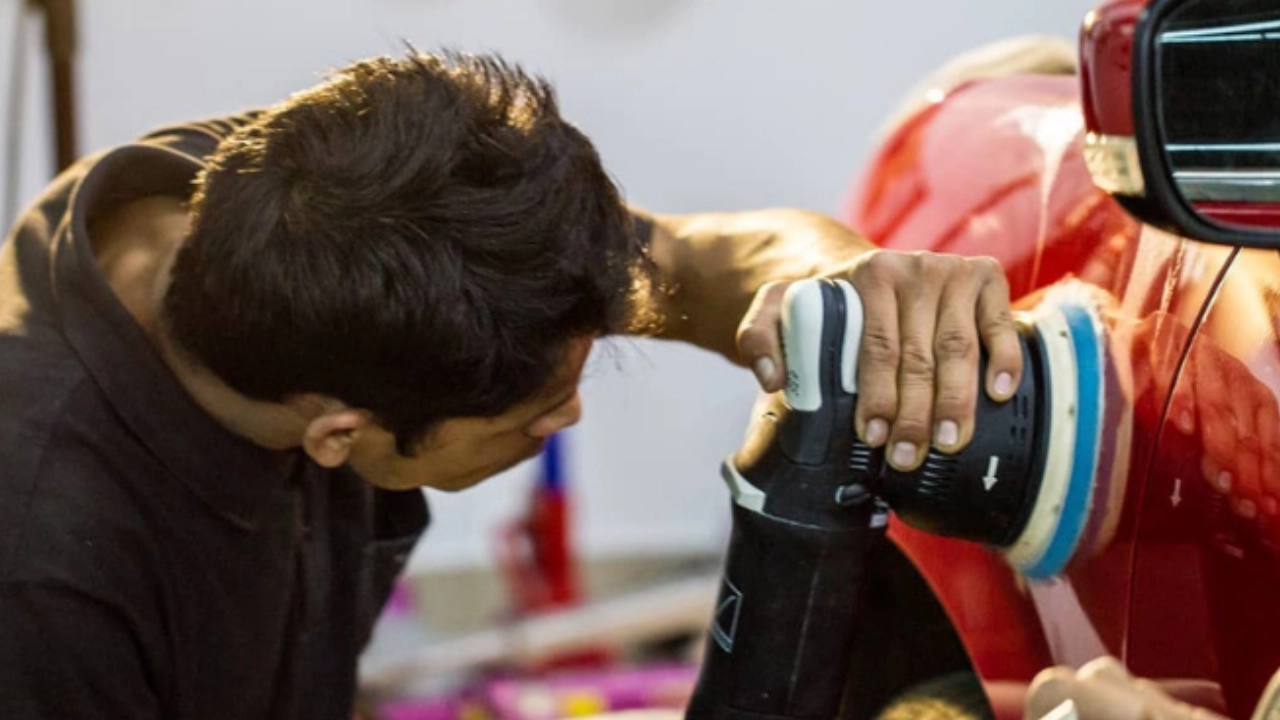
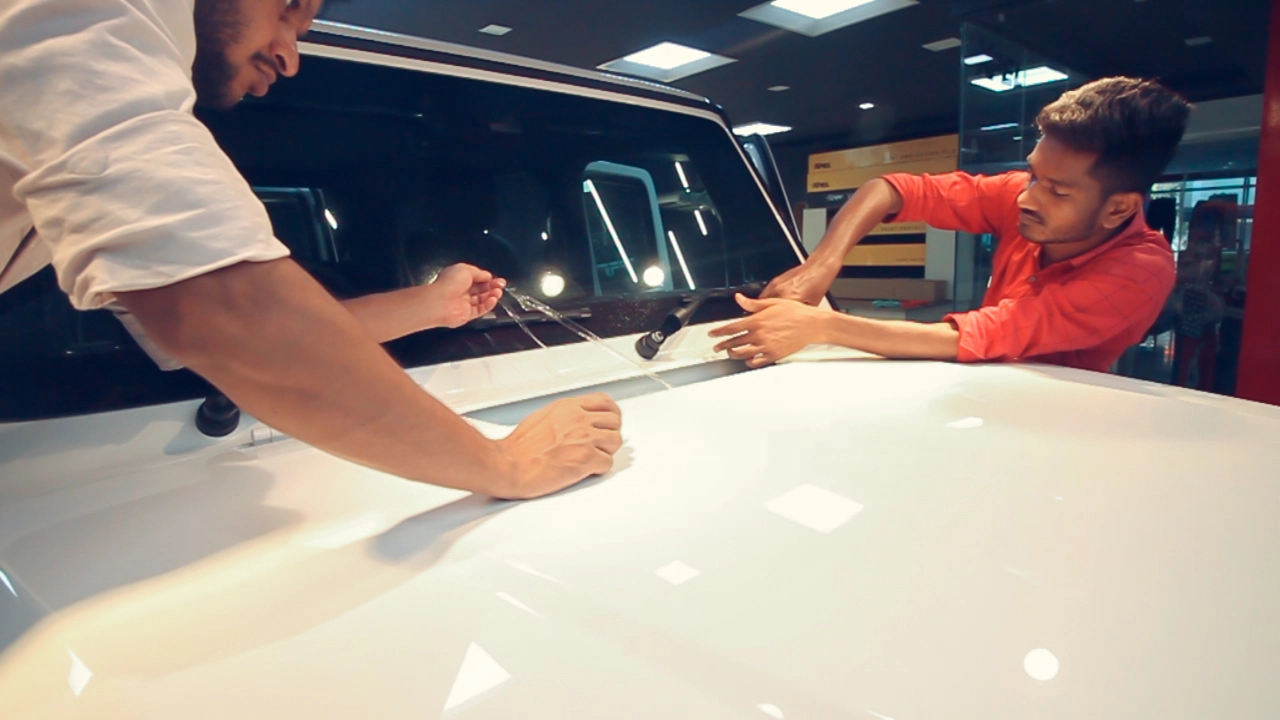
PPF installation involves several stages, including paint preparation, surface cleaning, film positioning, application and edge finishing. Any shortcuts during these stages can affect the final result.
Improper surface preparation can trap dust and contaminants beneath the film. Poor application techniques can create bubbles, wrinkles or uneven adhesion. Incorrect edge finishing can also increase the chances of lifting over time.
Exposure to Sunlight and UV Radiation
Prolonged exposure to ultraviolet radiation can gradually affect the appearance and performance of protective films. Depending on the film’s formulation and UV resistance, this may result in discolouration, loss of clarity or deterioration of the topcoat.
A good-quality PPF is designed to resist UV exposure and maintain its transparency over time. However, no film is completely immune to long-term environmental exposure.
Driving Conditions and Road Exposure
Vehicles regularly driven on highways, construction-heavy roads or routes with loose gravel are more likely to encounter stone chips, road debris and surface abrasions.
Similarly, cars frequently exposed to bird droppings, tree sap, insect remains and industrial pollutants require more attentive maintenance.
While PPF is designed to handle several of these everyday challenges, repeated exposure to harsh conditions can gradually affect its surface.
Maintenance and Cleaning Practices
How you maintain your PPF can make a considerable difference to its lifespan.
Using harsh chemicals, abrasive cleaning materials or aggressive washing techniques can damage the film’s topcoat. Allowing contaminants to remain on the surface for extended periods can also lead to staining.
How Does the Indian Climate Affect PPF?
From extreme summer temperatures and intense sunlight to monsoon humidity, dust and pollution, cars in India are exposed to several environmental challenges.
Here are a few ways these conditions can affect PPF.
- High Temperatures: Prolonged exposure to heat can place additional stress on the film and its adhesive system.
- Intense UV Exposure: Cars parked outdoors for long hours experience continuous UV exposure.
- Monsoon Conditions: Moisture, mud and road contaminants can accumulate on the film during the rainy season.
- Dust and Pollution: Dust particles, industrial fallout and other airborne contaminants can settle on the film.
This makes it important to choose a PPF that is developed and tested for demanding environmental conditions. A film that performs well in one climate may not necessarily deliver identical results under the heat, humidity and road exposure experienced in India.
What Are the Signs That Your PPF Needs Replacement?
PPF is designed to protect your vehicle for years, but it will eventually show signs of wear and deterioration.
- Yellowing or Discolouration: One of the most noticeable signs of ageing is a change in the film’s appearance. If the transparent film begins developing a yellowish tint, particularly across larger areas, it may indicate deterioration of the material or topcoat.
- Edge Lifting: If the edges of the film begin separating from the vehicle’s surface, dirt and moisture can accumulate underneath. Minor lifting may sometimes be corrected professionally, but extensive adhesive failure may require replacement.
- Cracking or Peeling: Visible cracks, peeling or surface breakdown indicate that the film is no longer performing as intended. These issues can become more pronounced as the material continues to age.
- Loss of Clarity: A PPF that becomes cloudy, hazy or noticeably dull may have experienced surface deterioration. However, before deciding on replacement, have the film professionally inspected to rule out surface contamination.
- Reduced Surface Performance: Some PPFs feature self-healing properties that allow minor surface scratches to disappear with heat. If the film no longer demonstrates this behaviour, it may indicate that its topcoat has deteriorated.
It is worth remembering that not every scratch or imperfection means the entire PPF needs replacement. A professional inspection at studios like CarzSpa can help determine the core issue.
How Can You Make Your PPF Last Longer?
Here are some practices that can help extend the usable life of your PPF.
- Wash Your Car Regularly: Clean your vehicle periodically to remove dust, mud, bird droppings and other contaminants before they become difficult to remove.
- Use PPF-Safe Cleaning Products: Avoid harsh chemicals, abrasive compounds and aggressive cleaning agents that may damage the film’s topcoat.
- Avoid Abrasive Washing Techniques: Use clean microfibre towels and appropriate washing methods. Avoid scrubbing the film with rough sponges or brushes.
- Clean Contaminants Promptly: Bird droppings, insect remains and tree sap should be removed as soon as possible using suitable cleaning products.
- Avoid Directing High-Pressure Water at Edges: Maintain an appropriate distance when pressure washing and avoid concentrating the water jet on film edges.
- Get Periodic Inspections: Have your PPF checked by professionals to identify early signs of lifting, damage or deterioration.
- Follow the Installer’s Maintenance Advice: Different films may have specific care requirements. Follow the manufacturer’s and installer’s recommendations.
You can also consider suitable PPF maintenance products if recommended by your installer.
Does the PPF Brand Affect Its Lifespan?
The brand you choose can influence the quality, durability and overall performance of the PPF installed on your vehicle.
While selecting the best PPF brand for your car, here are some important things to evaluate:
- Material Technology: Understand whether the film uses quality TPU or an advanced material formulation designed to improve strength and performance.
- Topcoat Performance: Look for resistance to yellowing, staining, environmental contaminants and surface abrasion.
- Self-Healing Properties: Check whether the film can recover from minor surface scratches when exposed to suitable heat.
- Warranty Coverage: Understand what the warranty covers, its exclusions and how claims are handled.
- Installation Support: A reliable brand should have trained installers and established processes to ensure consistent application quality.
Do not choose a PPF simply because it promises the longest lifespan. A combination of material quality, installation standards and dependable after-sales support is what makes a difference in the long run.
Does PPF Cost Determine How Long It Lasts?
The overall PPF coating price can vary depending on the film’s material construction, technology, brand, vehicle size, coverage area and installation standards.
For example, a premium film with advanced topcoat technology, better clarity and enhanced resistance to environmental exposure may cost more than an entry-level alternative.
Similarly, a cheaper installation may initially appear attractive, but poor-quality materials or inexperienced installation can lead to premature deterioration and additional replacement expenses.
Before making a decision, ask your installer about:
- The material composition and technology of the film.
- The expected lifespan and warranty coverage.
- The areas of the vehicle covered under the package.
- The installation process and technician experience.
- The maintenance requirements and after-sales support.
Remember, PPF is a long-term investment. Choosing a film based only on the lowest PPF coating price may not necessarily offer the best value over its usable life.
Why Choose Aegis PPF from CarzSpa?
When investing in paint protection film, the quality of the product and the expertise behind its installation are equally important. This is where Aegis PPF, exclusively installed through CarzSpa Detailing Studios, offers a combination of advanced film technology and professional installation expertise.
Here are a few reasons to consider Aegis PPF for your vehicle:
- Advanced Material Technology: Aegis offers advanced film formulations, including Polycarbonate and TPU-based construction, designed to combine flexibility, strength and protective performance.
- DuroFlex Topcoat Technology: Aegis PPF features DuroFlex topcoat technology, developed to support self-healing performance, clarity and resistance to yellowing.
- Protection Against Everyday Damage: The film helps protect your vehicle’s original paint against stone chips, minor scratches, road debris and other everyday external elements.
- Multiple Product Series: With Core, Armor, SPX and XG Series, Aegis offers different PPF solutions to cater to varying protection requirements.
- Professional Installation: CarzSpa brings nearly two decades of experience in professional car detailing and PPF installation, with trained technicians and established installation standards.
- Pan-India Warranty Support: Aegis PPF warranty services are supported through CarzSpa’s network of 150+ detailing studios across more than 80 cities in India.
The combination of advanced film technology, professional installation and nationwide support makes Aegis a comprehensive paint protection solution for car owners looking to protect their vehicle’s original paint.
Conclusion
A good-quality PPF can protect your car’s original paint for several years, but its actual lifespan depends on much more than the film itself. Material quality, installation standards, driving conditions, environmental exposure and regular maintenance all play an important role in determining how well it performs over time. Therefore, don’t make your decision based on advertised durability or price alone.
Choose a reliable PPF brand, get it installed by trained professionals and follow the recommended maintenance practices. With the right product and proper care, your paint protection film can continue protecting your vehicle and preserving its appearance for years to come.
Frequently Asked Questions
1. How many years does PPF last on a car?
A good-quality PPF can generally last between 5 and 10 years. Its actual lifespan depends on the film’s construction, installation quality, driving conditions and maintenance.
2. Does PPF turn yellow over time?
Some PPFs may develop a yellowish tint due to material deterioration and prolonged environmental exposure. Good-quality films are designed with UV-resistant properties to minimise premature yellowing.
3. Can PPF be removed after 5 years?
Yes. PPF can be professionally removed after five years or whenever replacement is required. The removal process should be handled carefully to avoid damaging the underlying paint.
4. Does ceramic coating make PPF last longer?
Ceramic coating applied over PPF can make cleaning easier and improve surface properties. However, it does not automatically extend the film’s lifespan or reverse material deterioration.
5. When should I replace my car’s PPF?
Consider replacement when the film shows extensive yellowing, cracking, peeling, adhesive failure or loss of clarity. A professional inspection can help determine whether replacement is necessary.
Share: