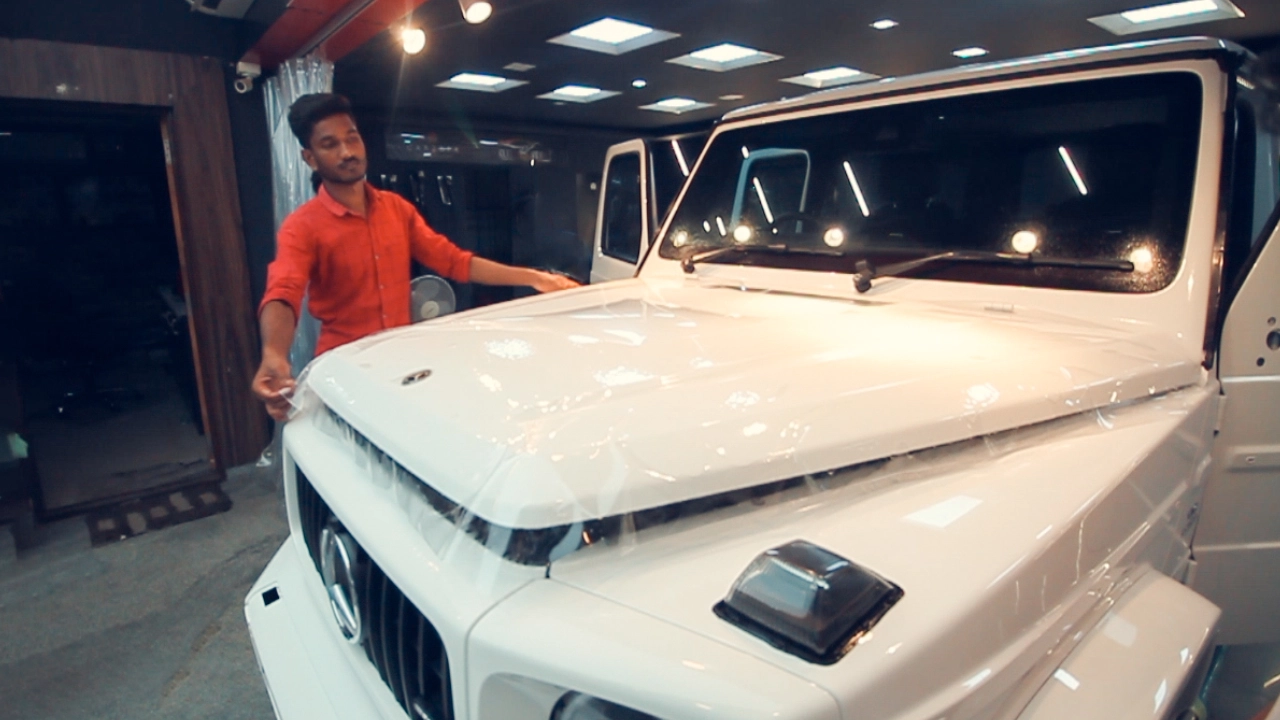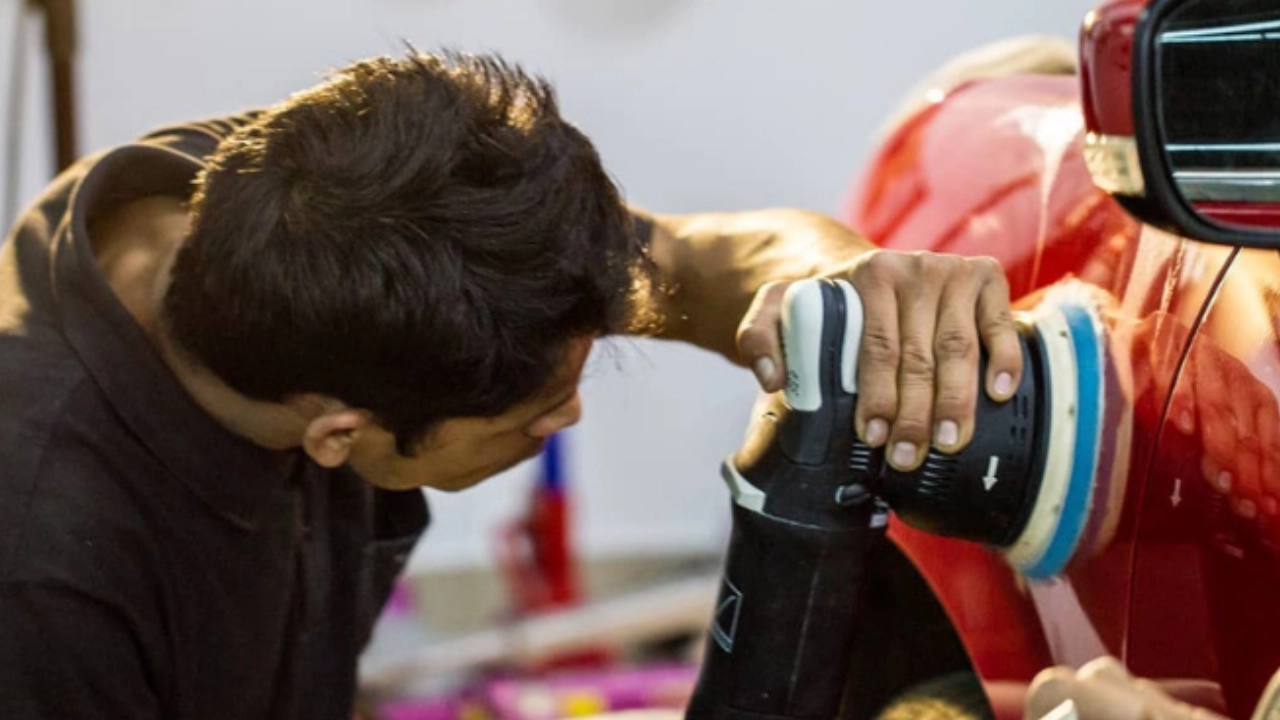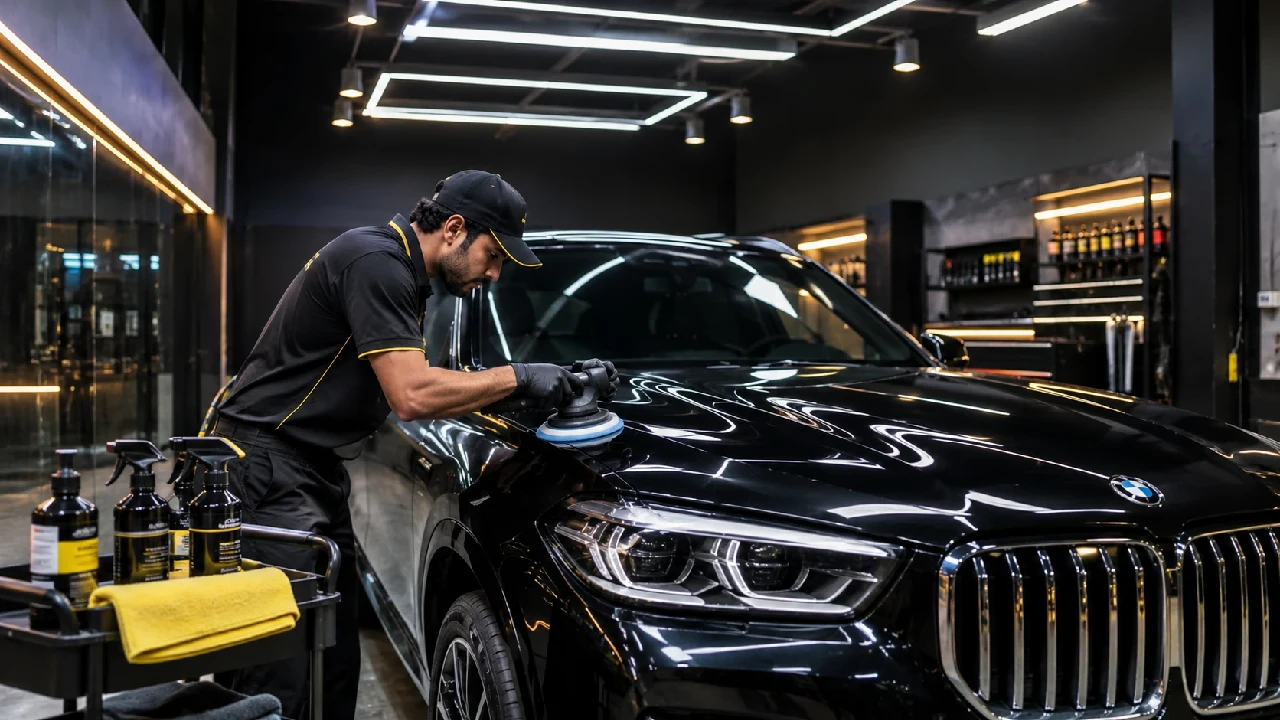
Getting Paint Protection Film (PPF) installed on a new car seems like a sensible decision. After all, who wouldn’t want to protect that fresh showroom finish from stone chips, scratches and everyday wear?
But one question makes many car owners hesitate, i.e., can PPF damage the original paint during application or removal?
It is a fair concern. A PPF coating uses an adhesive-backed film that stays on your car’s painted panels for years. Naturally, you want the factory finish underneath to remain untouched when it is eventually removed.
The good news is that quality PPF, when professionally installed and correctly removed, is generally safe for sound, original factory paint. However, film quality, paint condition and workmanship all matter.
Table of contents
- Does PPF Damage Your Car’s Original Paint?
- When Can PPF Actually Damage Car Paint?
- Can Removing PPF Damage the Original Paint?
- Does PPF Damage Repainted or Touched-Up Panels?
- How to Make Sure PPF Does Not Damage Your Car’s Paint
- What Should You Check Before Getting PPF Installed?
- Why Professional PPF Installation Matters
- Conclusion
- Frequently Asked Questions
Does PPF Damage Your Car's Original Paint?
No, quality PPF does not normally damage original factory paint when installed and removed correctly. In fact, its purpose is to protect the paint underneath.
PPF coating for cars has a pressure-sensitive adhesive that holds the film in place while allowing careful removal under suitable conditions. It is not intended to bond permanently with the paint.
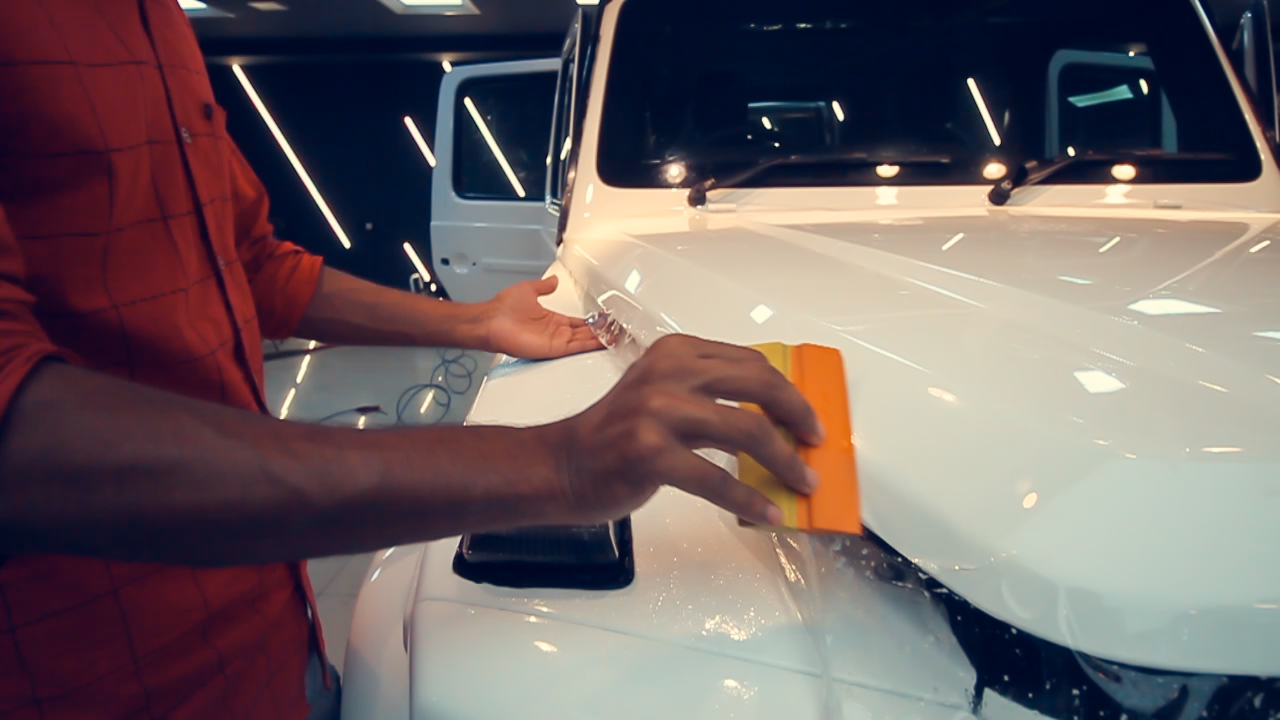
However, factory paint and aftermarket repainted surfaces are different. Factory paint is applied and cured under controlled conditions, creating a more predictable surface for PPF application and removal.
Repainted panels may have variations in preparation, curing, adhesion and clear-coat quality. If these layers are weak, removing the film could pull away existing paint. This does not necessarily mean PPF damaged it; the process may simply expose an existing weakness.
Ultimately, paint condition, film quality and professional installation and removal determine how safely PPF performs.
When Can PPF Actually Damage Car Paint?
Certain conditions can increase the risk of damage. Here are five situations to understand.
1. Poor-Quality PPF
Not all films meet the same standards. Low-grade materials or adhesives may deteriorate faster under sunlight, heat and contaminants. As the film ages, it can become harder to remove cleanly, leaving residue behind. Excessive force may affect the finish. Choose reliable PPF film with documented specifications and clear warranty terms.
2. Incorrect Installation Techniques
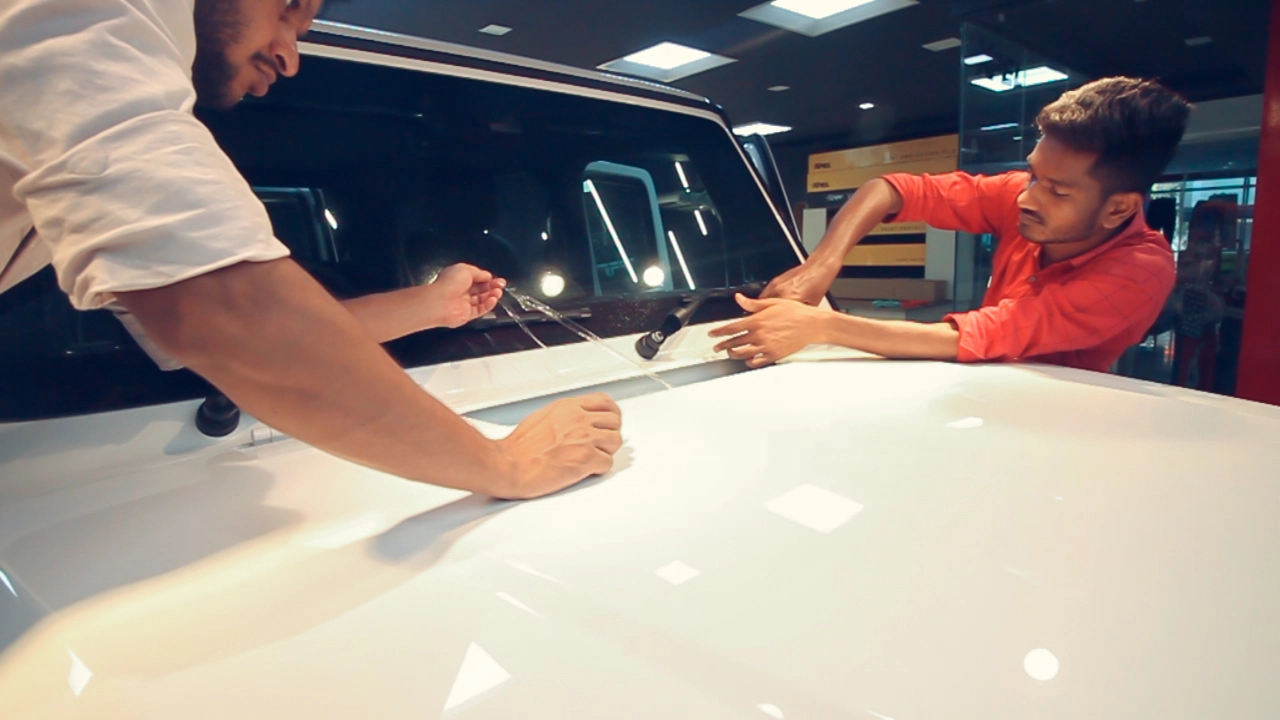
Installing PPF requires placing a sheet correctly over a panel. The surface must be prepared, the film positioned and stretched correctly and edges finished carefully. Poor technique can cause wrinkles, bubbles, trapped dirt or weak adhesion. Cutting directly on painted panels can score the clear coat. Computer-cut patterns help reduce this risk.
Incorrect techniques can result in:
- Excessive stretching of the film.
- Poor adhesion around edges and curves.
- Contamination trapped beneath the film.
- Wrinkles, bubbles or visible installation marks.
- Damage caused by careless blade cutting on the vehicle’s surface.
3. Applying PPF Over Weak or Damaged Paint
Peeling clear coat, flaking paint, poorly repaired scratches and damaged panels need assessment before installation. The adhesive can bond to an unstable layer, which may lift when the film is removed. A professional should inspect the surface, explain concerns and advise whether repairs are needed. Covering existing damage cannot replace proper repairs.
4. Improper PPF Removal
Even quality film can cause problems when removed carelessly. Pulling it off quickly, using excessive force or applying uncontrolled heat may affect paint or leave adhesive residue. Professional removal uses controlled heat to soften the adhesive, followed by gradual peeling at a suitable angle. The process takes patience and care, not force.
5. Leaving Old PPF on the Car for Too Long
Sunlight, heat and environmental exposure affect a film’s flexibility and adhesive. As it deteriorates, it may become brittle and harder to remove. Follow the product’s expected service life and warranty guidance and watch for cracking, discolouration or peeling. Have failing film inspected promptly. Timely attention helps maintain effective car paint protection.
Can Removing PPF Damage the Original Paint?
This is probably the biggest concern for car owners considering PPF. Imagine removing the film from your brand-new car five or six years later, only to find patches of paint coming off with it. It is not a pleasant thought.
However, when quality PPF is installed on healthy factory paint and professionally removed within its expected service life, the original finish should generally remain intact. The removal process matters. A trained installer typically follows these steps:
- Inspect the film: Check its age, condition and signs of deterioration.
- Apply controlled heat: Soften the adhesive for easier removal.
- Lift an edge carefully: Avoid sharp tools against the paint.
- Peel gradually: Pull at a controlled angle without excessive force.
- Clean residue: Use a suitable adhesive remover if needed.
- Inspect the paint: Check for existing defects or damage.
The procedure may vary according to manufacturer recommendations. It is also important to distinguish between two issues:
- Adhesive residue: Leftover adhesive that can often be cleaned safely.
- Paint lifting: Paint or clear coat coming away with the film, potentially indicating weak underlying paint.
These are not the same. Never attempt removal without proper tools and experience. Have old PPF inspected and removed by a trained professional.
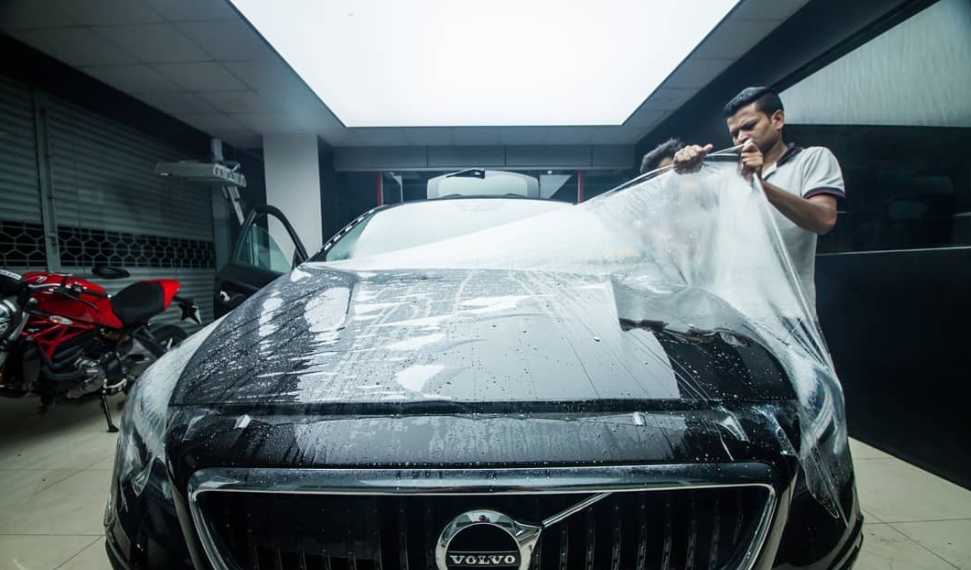
Does PPF Damage Repainted or Touched-Up Panels?
Take extra care here. If your car has undergone bodywork, repainting or touch-ups, inform the installer before application.
A professionally repainted panel may be suitable for car paint protection film, provided the paint has fully cured and its layers are properly bonded. However, suitability must be assessed individually.
Poorly executed repainting can involve:
- Weak adhesion between old and new paint layers.
- Inadequate clear-coat application.
- Improper surface preparation.
- Insufficient curing time.
- Uneven paint thickness or existing defects.
Applying film over an unstable surface may cause repaired paint to lift during removal. Even paint-pen touch-ups can behave differently from factory finishes.
Before installation:
- Disclose previous accidents, repairs and repainting.
- Have the panel inspected by a qualified professional.
- Confirm curing time against the paint manufacturer’s recommendations.
- Check warranty exclusions for repainted surfaces.
When in doubt, seek professional assessment before proceeding with installation and follow the installer’s advice.
How to Make Sure PPF Does Not Damage Your Car's Paint
Choose Quality PPF
Do not choose a film based on price alone. Look for a reputable paint protection film product with material specifications, adhesive performance, warranty coverage and removal guidance. TPU-based films are widely used for flexibility and impact absorption. However, the material alone does not guarantee quality; construction and manufacturing standards matter.
Get Your Paint Inspected First
Choose an Experienced Installer
The installer matters as much as the film. Choose a detailing studio with trained professionals, suitable tools and a documented process. Ask how the car PPF will be cut, how edges will be finished and whether the team follows manufacturer-recommended procedures. Experience and careful workmanship help reduce avoidable installation risks.
Understand the Warranty
A product warranty is useful only when you understand its terms. Check whether it covers yellowing, cracking, blistering and delamination. Also review exclusions involving repainted panels, installation errors, improper maintenance and accidental damage. Do not assume a longer warranty covers every issue or circumstance that may arise during vehicle ownership.
Follow the Recommended Aftercare
Once installation is complete, follow the studio’s maintenance instructions. Avoid aggressive cleaning methods, harsh chemicals and careless pressure washing around film edges. Have lifting, peeling or damaged sections inspected by a professional instead of attempting repairs yourself. Regular aftercare helps preserve the film and original paint underneath well for longer.
What Should You Check Before Getting PPF Installed?
Before handing over your car for a PPF installation, use this simple checklist.
| What to check | Why it matters |
|---|---|
| Film brand and material | Helps establish the product's quality and suitability |
| Warranty terms | Clarifies coverage, duration and exclusions |
| Paint condition | Identifies weak, damaged or repainted panels |
| Installation method | Reduces the risk of cutting and application errors |
| Installer experience | Helps ensure correct application and finishing |
| Removal procedure | Gives you clarity on how the film can be removed later |
| Aftercare instructions | Helps maintain the film's performance over time |
You should also ask the installer to document the condition of your vehicle before work begins. Photographs of the panels can help establish a clear record of any existing scratches, chips or paint defects.
Why Choose CarzSpa to Protect Your Car?
Getting PPF installed is an investment in your car’s appearance, making the choice of installation studio just as important as the film itself. This is where CarzSpa’s experience makes a difference.
- Experienced Detailing Professionals: With years of experience in professional car detailing, CarzSpa has the expertise to install PPF on a wide range of vehicles, from everyday hatchbacks and sedans to luxury cars and SUVs.
- Trained Installers: CarzSpa’s trained professionals follow established application practices to ensure the film is fitted carefully across different body panels and contours.
- Exclusive Aegis PPF Installation: CarzSpa exclusively installs Aegis PPF, giving customers access to a premium paint protection product and professional installation expertise under one roof.
- Pan-India Warranty: With over 150 studios across more than 80 cities in India, CarzSpa services Aegis Films‘ pan-India warranty network. Customers can approach a CarzSpa studio for warranty-related assistance even if they move to another city.
- A Trusted Choice for Paint Protection: For car owners looking for the best PPF brand, CarzSpa combines product access, professional installation and dedicated after-sales support to make the experience more dependable.
Conclusion
So, does PPF damage your car’s original paint? In most cases, no. Quality PPF is designed to protect healthy factory paint and can generally be removed safely when the correct procedures are followed. However, poor-quality films, improper installation, weak repaint work and careless removal can create problems.
The key is to look beyond the price of the film. Choose a reliable product, get your paint inspected, work with trained installers and understand the warranty and removal process before making a decision.
Remember, PPF is meant to preserve your car’s original finish. The right film, applied by the right people, should help you enjoy that finish for years rather than give you something to worry about later.
Frequently Asked Questions
1. Can PPF peel off the original car paint?
It is unlikely on healthy factory paint when quality PPF is installed and removed correctly. However, weak clear coat, poor repaint work or improper removal can increase the risk of paint lifting.
2. Does PPF leave glue or adhesive residue after removal?
Some adhesive residue may remain, particularly if the film is old or removal conditions are unsuitable. A professional can usually clean it using an appropriate adhesive remover.
3. Can PPF be applied to a repainted car?
It depends on the quality and condition of the repaint. The paint must be properly cured and bonded. Always have the panel inspected before installation.
4. How long should PPF stay on a car?
It depends on the film’s quality, warranty, environmental exposure and maintenance. Follow the manufacturer’s recommended service life and have deteriorating film inspected promptly.
5. Is PPF better than ceramic coating for protecting car paint?
PPF offers physical protection against stone chips and minor impacts. Ceramic coating primarily improves hydrophobicity, chemical resistance and ease of maintenance. They serve different purposes.
Share: