Is spending ₹70,000 to ₹1 lakh or more on your car’s paint really worth it? For Indian car owners, this is the core question before getting a PPF coating. After all, factory paint comes standard, so why spend extra to shield it?
The answer comes down to how you drive, your ownership timeline and your standards for your car’s finish. India’s aggressive traffic, flying gravel, intense UV rays, monsoon grime and parking-lot scratches quickly wear down even brand-new vehicles.
Unlike waxes or coatings designed mainly for shine, PPF creates a durable, physical armour over your factory finish. But is it a smart long-term investment or an overhyped upgrade? Let’s examine the costs, benefits and real-world scenarios to see if PPF makes sense for your vehicle.
Table of contents
- What Is PPF and How Does It Protect Your Car?
- Why Does Your Car Need Paint Protection in India?
- Is PPF Worth the Investment?
- PPF Cost in India: What Should You Expect to Pay?
- PPF vs Ceramic Coating: Which One Is Better?
- Who Should Get PPF on Their Car?
- When Is PPF Not Worth It?
- How to Choose the Right PPF for Your Car
- Why Choose Aegis PPF at CarzSpa
- Conclusion
- Frequently Asked Questions
What Is PPF and How Does It Protect Your Car?
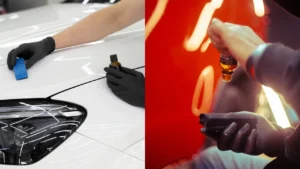
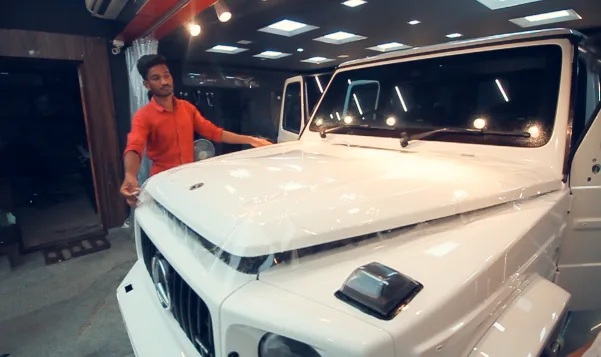
Paint protection film, commonly called PPF, is a transparent protective film applied over painted automotive surfaces. Modern films are generally made from Thermoplastic Polyurethane (TPU), a flexible and durable material designed to absorb and resist the impact of everyday road hazards. Unlike waxes and ceramic coatings, PPF provides a physical barrier over the vehicle’s paint.
What PPF can and cannot protect against
A professionally installed PPF car application can help protect vulnerable areas from stone chips, minor scratches, bug splatter, bird droppings, road grime and other contaminants. Premium films can also feature self-healing properties, allowing certain light scratches and swirl marks to disappear with heat.
| Damage | PPF Effectiveness |
|---|---|
| Stone chips | High |
| Light scratches | High |
| Road debris | High |
| Bug splatter | High |
| Bird droppings | Good |
| Minor abrasions | Good |
| Deep scratches | Limited |
| Dents | No |
| Major collision damage | No |
The result is relatively simple: instead of the original factory paint taking the damage, the film takes the hit.
Why Does Your Car Need Paint Protection in India?
Indian driving conditions expose your vehicle to unique threats that gradually erode factory paint. Paint protection film (PPF) acts as a sacrificial layer, absorbing wear and tear before it reaches the original finish.

- Highway Debris & Flying Gravel: High-speed travel kicks up tiny stones, causing unsightly chips on the bonnet, front bumper, fenders and ORVMs.
- Urban Congestion Hazards: Narrow lanes, tight parking spots, passing two-wheelers and accidental contact lead to persistent side-body scratches and abrasions.
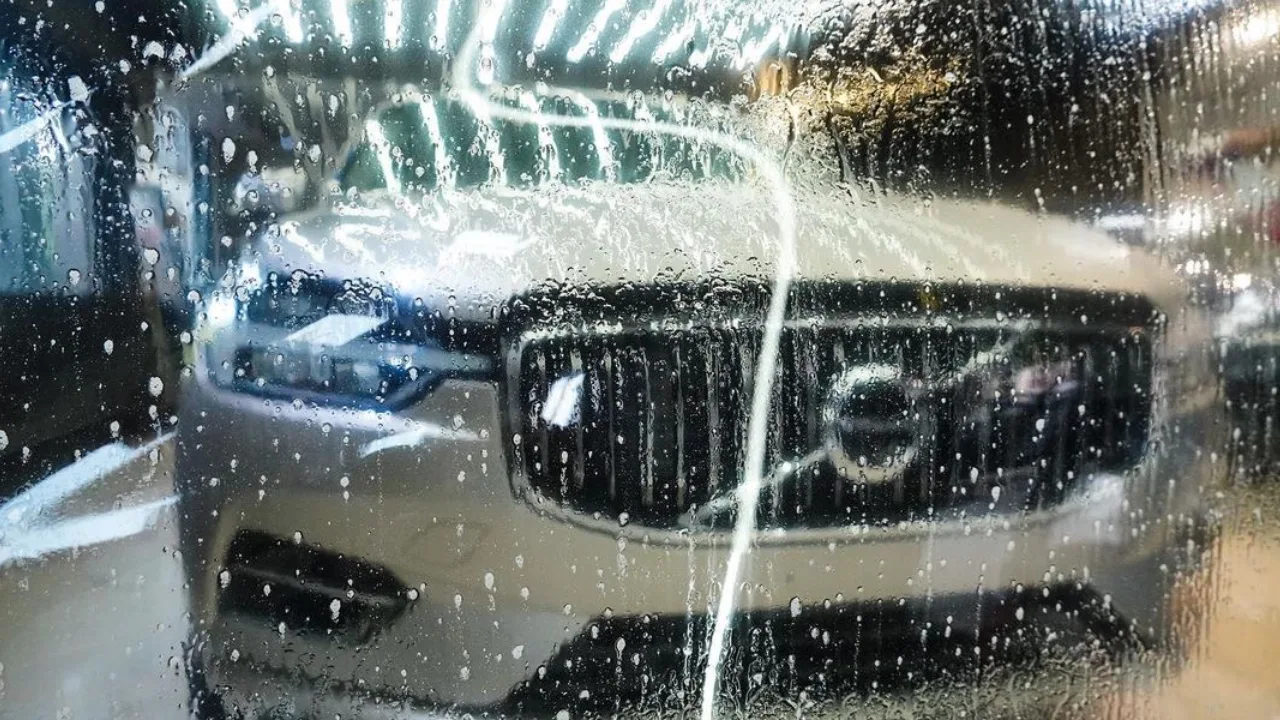
- Harsh Environmental Damage: Intense sunlight, acid rain, bird droppings, tree sap and industrial smog cause deep etching, fading and paint staining if left untreated.
- Preserving Originality & Value: Repainting damaged panels often leads to noticeable colour mismatches and lowers resale value. PPF offers a proactive shield to maintain original factory perfection.
A good car paint protection film acts as a sacrificial layer. Instead of immediately exposing the factory paint to these hazards, the film takes much of the wear.
Is PPF Worth the Investment?
Yes, PPF is worth its cost for the right car owner. The biggest advantage of PPF is that it protects something your car already has: its original factory finish. A new car may look flawless when it leaves the dealership, but everyday driving gradually changes that.
When PPF Is Usually Worth the Money
| Scenario | Recommendation |
|---|---|
| ₹30L+ premium car | Strongly consider |
| Frequent highway driving | Strongly consider |
| 5–10 year ownership | Strong case |
| New car | Strong case |
| Dark-colored car | Consider |
| Mostly city driving | Partial PPF may be enough |
| Low annual mileage | Full PPF may not be necessary |
| 2-year ownership | Evaluate carefully |
| Budget car | Usually partial/no PPF |
| Secure parking + careful driving | Lower priority |
PPF changes that equation by moving the protection to the beginning of the ownership journey.
However, PPF is not automatically a smart investment for everyone. A budget car kept for a short period, driven very little and parked safely may not justify the cost of full-body protection.
PPF Cost in India: What Should You Expect to Pay?
One of the biggest barriers to PPF adoption is the initial PPF cost. Prices can vary considerably depending on the vehicle, film technology, coverage and installer.
Generally, full-body PPF in India can range from approximately ₹65,000 for smaller vehicles to ₹1.5 lakh or more for larger premium vehicles. Luxury and performance cars can go significantly higher depending on the film and extent of coverage.

While full-body protection is popular, it is not the only option. For budget-conscious car owners, partial PPF coverage offers a high-value alternative by safeguarding high-impact zones without the cost of covering the entire vehicle.
| Coverage Package | Focus Areas | Indicative Price Range |
|---|---|---|
| Partial-Front Kit | Bumper, bonnet, fenders, ORVMs, door edges | ₹25,000 – ₹55,000 |
| Full-Body (Hatchback/Compact) | Complete body panels | ₹65,000 – ₹90,000 |
| Full-Body (Sedan/Mid SUV) | Complete body panels | ₹90,000 – ₹1,25,000 |
| Full-Body (Large SUV/Luxury) | Complete body panels | ₹1,25,000 – ₹1,80,000+ |
Note: Indicative prices vary based on film quality (TPU grade, thickness, self-healing features), surface preparation needs and studio location.
The final PPF coating price depends on factors such as film quality, vehicle size, coverage, installation complexity and the reputation of the car detailing studio.
- Full-Body Coverage: Ideal for maximum peace of mind, premium vehicles or dark-coloured cars where uniform paint ageing is critical.
- Partial (Front-Kit) Protection: Focuses purely on high-risk impact zones—such as the front bumper, bonnet, fenders, ORVMs and door edges. Since the front fascia accounts for over 80% of road debris and stone-chip damage, a partial application provides substantial real-world protection at a fraction of the cost.
Comparing PPF solely on the lowest sticker price can be misleading. An ultra-cheap film installed poorly can yellow, bubble or peel early—costing more to replace.
PPF vs Ceramic Coating: Which One Is Better?
PPF and ceramic coating are often discussed together, but they solve different problems. Ceramic coating is a specially formulated liquid polymer applied to a vehicle’s exterior that chemically bonds with the factory paint to create a semi-permanent protective layer. While a PPF acts as a physical, sacrificial barrier against rock chips, scratches, road salt and UV rays and self-heals from minor surface swirl marks with heat.
| Factor | PPF | Ceramic Coating |
|---|---|---|
| Stone-chip protection | Excellent | Limited |
| Minor scratch protection | Excellent | Limited |
| UV protection | Yes | Yes |
| Hydrophobicity | Available in premium films | Excellent |
| Gloss enhancement | Yes | Excellent |
| Chemical resistance | Excellent | Excellent |
| Physical barrier | Yes | No |
| Self-healing | Available | Generally not applicable |
| Primary purpose | Physical protection | Surface protection & enhancement |
Also read: Paint Protection film (PPF) vs Ceramic coating – Which is Better?
Many enthusiasts combine the two: PPF provides the physical barrier, while ceramic coating can be applied to suitable surfaces or over compatible PPF to enhance hydrophobicity and ease of maintenance.
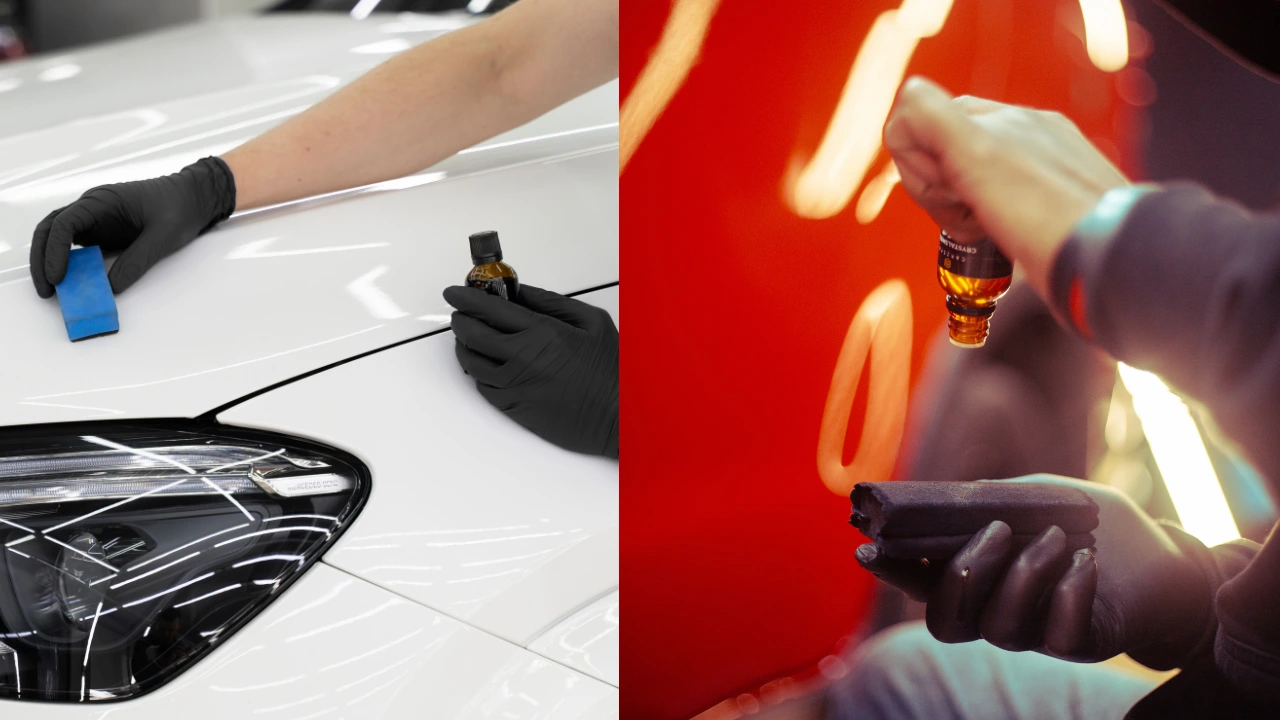
CrystalShield even has a product called Marvel Ceramic Coating, formulated particularly to be applied over paint protection films.
Who Should Get PPF on Their Car?
PPF makes the most sense when the potential benefits align with your ownership habits.
- New Car Owners: Installing PPF soon after delivery helps protect the factory finish from the beginning. This is particularly relevant for owners who want to maintain their car in near-original condition for years.
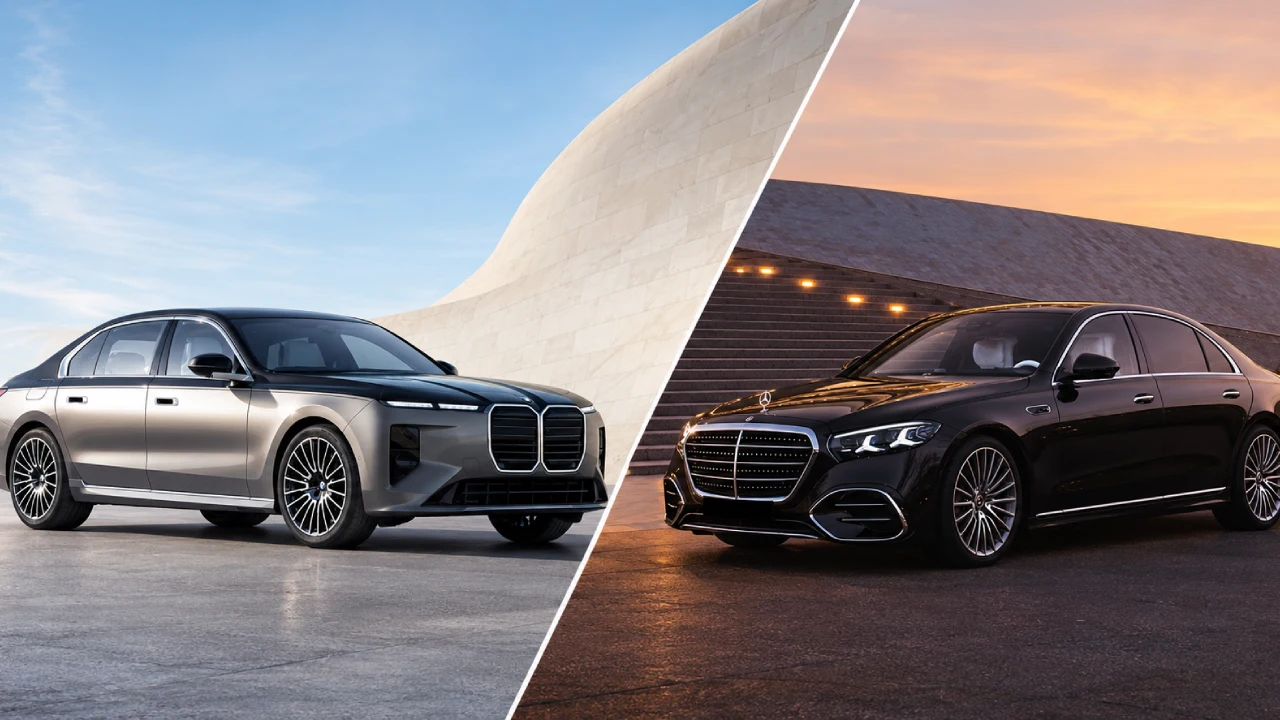
- Luxury and Premium Car Owners: The higher the value of the vehicle, the more significant the potential cost of cosmetic repairs. PPF can therefore make more financial sense on premium and performance cars.
- Highway Drivers: Frequent highway driving increases exposure to loose gravel, road debris and high-speed impacts. Protecting the bumper, bonnet, fenders and ORVMs can be particularly useful.
- Long-Term Owners: If you plan to keep your car for five, seven or even ten years, preserving its original paint becomes more meaningful. The initial investment can be viewed across a much longer ownership period.
- Enthusiasts and Careful Owners: Some owners simply want their vehicle to remain as close to its original condition as possible. For them, PPF offers peace of mind in addition to physical protection.
- Dark-Coloured Car Owners: Black, deep blue, dark grey and maroon paints visually exaggerate micro-scratches, swirl marks, dust patterns and water spots under direct sunlight.
- Owners Who Want to Preserve Factory Paint & Resale Value: Factory paint is applied under high-temperature, robotically controlled OEM environments that cannot be replicated in an aftermarket paint booth. Protecting original paint avoids repainting panels, which often creates shade variations and texture mismatches.

When Is PPF Not Worth It?
Full-body or high-end PPF installations may not yield a sensible return on investment in the following real-world scenarios:
- Short-Term Ownership (2–3 Years): If you plan to sell or upgrade your car within two to three years, you won’t hold the vehicle long enough to offset the initial PPF cost.
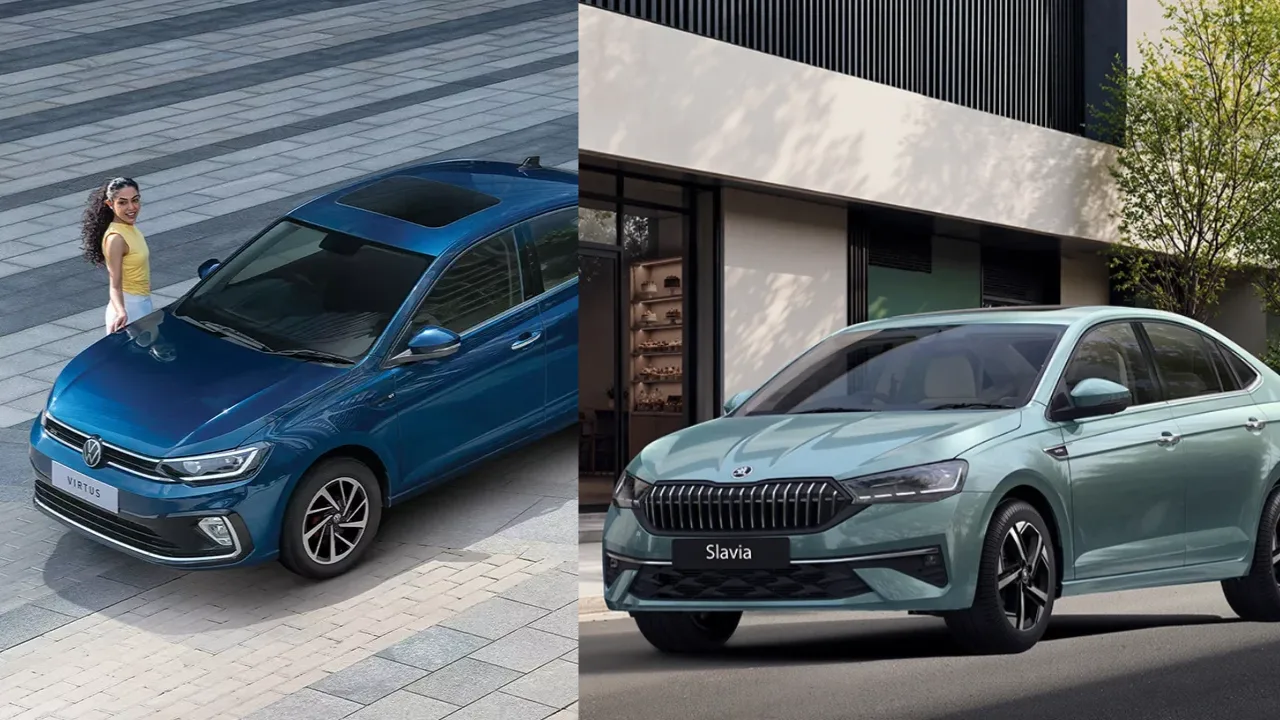
- Budget or Entry-Level Vehicles: Spending ₹70,000 to ₹1 Lakh+ on paint protection for a car valued under ₹7–8 Lakh rarely makes financial sense. The cost of full-body PPF can amount to 10–15% of the vehicle’s total price.
- Low-Annual-Mileage Cars: Vehicles driven only occasionally encounter minimal exposure to gravel, debris, traffic and contaminants.
- Cars Parked in Covered, Secure Locations: If your car is mostly parked inside, exposure to harsh UV radiation, bird droppings and tree sap drops drastically.
How to Choose the Right PPF for Your Car
- Impact resistance: Important for stone chips and road debris.
- Optical clarity: The film should preserve the appearance of the original paint.
- Self-healing: Useful for minor scratches and swirl marks.
- UV and anti-yellowing performance: Particularly important in India’s strong sunlight.
- Hydrophobic properties: Helps with water and dirt repellency.
- Warranty: Look at what is actually covered, rather than simply the duration.
- Installation quality: Even the best PPF brand can perform poorly when installed incorrectly.
- After-sales support: A reliable installer should be available if the film requires inspection or maintenance.
Never select PPF based on PPF coating price alone.
Why Choose Aegis PPF at CarzSpa?
For Indian car owners looking for a premium PPF solution, Aegis PPF is designed around the demands of the local environment and is exclusively available at 150+ CarzSpa Detailing Studios across India.
Aegis combines advanced film construction with features designed to address common challenges faced by Indian motorists.
Advanced TPU-Based Construction
Aegis uses a premium TPU-based construction designed to provide flexibility, durability and impact resistance while maintaining optical clarity.
Designed for Indian Conditions
India’s intense UV exposure, heat, monsoons, pollution and challenging road conditions require more than a basic protective film. Aegis is engineered with these environmental and driving conditions in mind.

High Impact Resistance
From stone chips on highways to minor road abrasions, the film acts as a sacrificial layer between these everyday hazards and your vehicle’s original paint.
Self-Healing Properties
Minor surface scratches can self-heal under appropriate heat conditions, helping maintain the film’s finish and reducing the visibility of everyday marks.Lorem ipsum dolor sit amet, consectetur adipiscing elit. Ut elit tellus, luctus nec ullamcorper mattis, pulvinar dapibus leo.
Anti-Yellowing Protection
A premium PPF should continue looking clear rather than gradually compromising the appearance of the paint underneath. Aegis incorporates technology designed to improve resistance to yellowing and UV-related degradation.
Professional Installation at CarzSpa
CarzSpa’s team of installers do extensive preparation, application, panel coverage and finishing required for perfect application.
Conclusion
For the right car owner, PPF can absolutely be worth the investment. A PPF installation is an upfront investment designed to reduce the amount of damage your car’s paint experiences over years of ownership. For someone buying a premium vehicle, driving frequently on highways or planning to keep the car long term, preserving the original finish can be considerably more valuable than repeatedly correcting or repainting damaged panels.
Your car’s paint is one of its most visible and valuable features. Protecting it today can help keep your vehicle looking newer, longer.
Frequently Asked Questions
1. Is PPF worth it for everyday cars in India?
Yes, PPF gives the best balance of protection and cost, especially if driven on highways or in high-traffic cities.
2. How much does PPF cost in India?
Partial PPF generally ranges from ₹25,000 to ₹55,000, while full-body PPF typically costs between ₹65,000 and ₹1,50,000+ depending on the vehicle size, film grade and installer.
3. Is PPF better than ceramic coating?
Yes, PPF provides physical protection against stone chips, deep scratches and abrasions, which ceramic coating doesn’t.
4. How long does PPF last on a car?
A high-quality TPU-based PPF typically lasts between 5 to 10 years, depending on film quality, maintenance, UV exposure and proper professional installation.
5. What are the main disadvantages of PPF?
The primary drawback is the high upfront cost. Cheap PVC/TPH films can also yellow or bubble over time and poor installation can leave exposed edges.
6. Is partial PPF better than full-body PPF?
Partial PPF is better for value-conscious owners because it protects high-impact zones (bonnet, bumper, mirrors) where 80% of damage occurs.
7. Does PPF damage the original car paint?
No. High-quality TPU PPF with pressure-sensitive adhesives preserves original factory paint and removes cleanly.
8. Is PPF worth it on a used car?
Yes, it is worth it if the factory paint is still in good condition or after professional paint correction.
9. Is PPF worth it for a black car?
Yes, because black and dark-colored paints easily reveal swirl marks, minor scratches and water spots.
10. Which is the best PPF brand for cars in India?
Aegis PPF is the best PPF brand for cars in India, as it is made of premium TPU, with self-healing properties and anti-yellowing with pan-India warranty coverage.