Frequently Asked QuestionsA scratch on your car can be frustrating, whether it’s a faint swirl mark from an improper wash, a stone chip picked up on the highway or a scrape from a tight parking space. While some marks are only cosmetic, others can damage your vehicle’s paint if left untreated. The right solution depends on how deep the scratch is and which layer of the paint has been affected. Some can be improved with the right DIY products, while others require professional paint correction or even repainting. In this guide, you’ll learn how to identify different types of scratches, understand the most effective repair methods and know when it’s time to trust a professional car detailing service. You’ll also discover how to prevent future scratches and keep your paint looking its best.
Table of contents
- Understanding Your Car’s Paint Layers
- Types of Car Scratches and How to Identify Them
- The Fingernail Test
- DIY Scratch Removal: What Works and What Doesn’t
- Professional Paint Correction
- Car Paint Protection After Scratch Removal
- Biggest Causes of Car Scratches
- How to Prevent Car Scratches
- Conclusion
- Frequently Asked Questions
Understanding Your Car's Paint Layers
Before identifying a scratch or choosing the right repair method, it’s important to understand your car’s paint system. Most modern vehicles leave the factory with three primary paint layers: primer, base coat and clear coat. If your vehicle has been treated with ceramic coating, graphene coating or PPF, these form an additional protective layer above the factory paint. The deeper a scratch goes, the more complex the repair becomes.
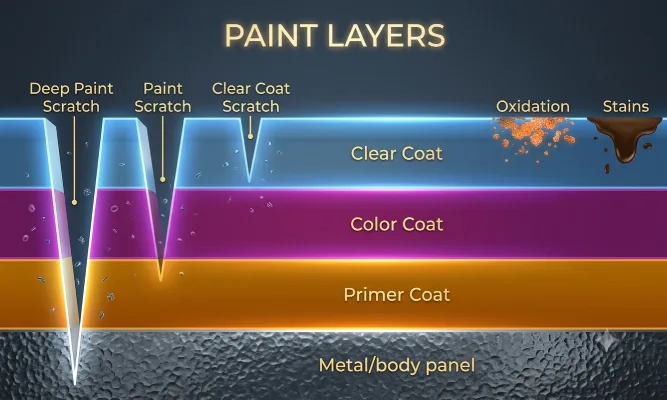
- Primer: Applied directly over the metal body, the primer improves paint adhesion and protects against corrosion. Scratches that reach this layer require prompt professional repair.
- Base Coat (Colour Coat): This layer gives your car its colour and finish. It does not protect itself and relies on the clear coat above it.
- Clear Coat: A transparent protective layer, typically around 30–60 microns thick, that provides gloss and shields the paint from UV rays and environmental damage. Most light scratches occur within this layer and can often be corrected through paint correction.
- Aftermarket Paint Protection: Ceramic coating, graphene coating and PPF sit above the clear coat, helping protect it from environmental contaminants, wash-induced marring or physical impacts, depending on the product.
Knowing which layer a scratch has reached is the first step towards choosing the right repair solution.
Types of Car Scratches and How to Identify Them
Not all scratches are the same. Identifying how deep a scratch extends helps determine whether it can be repaired at home, corrected professionally or requires repainting.
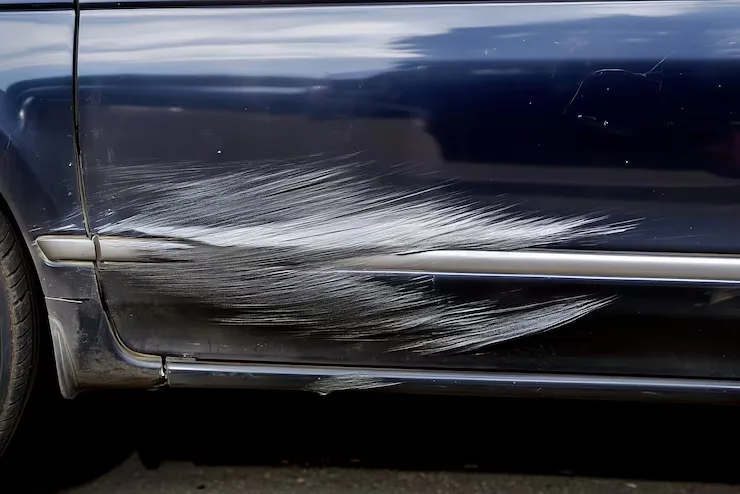
Surface Marks and Swirl Marks
These are the lightest scratches, appearing as fine circular lines under direct sunlight or bright lighting. They usually result from improper washing, dusty cloths or automatic-brush car washes. Since they remain within the clear coat, professional machine polishing can often remove or significantly reduce them.
Clear Coat Scratches
These scratches are deeper than swirl marks but haven’t reached the colour coat. They may catch your fingernail slightly and are commonly caused by light contact with branches, keys or road debris. Most can be corrected through professional paint correction, depending on their depth.
Base Coat Scratches
These scratches penetrate the clear coat and expose the colour layer beneath. They often appear as a distinct white or grey line and catch your fingernail noticeably. Because paint has been removed, they usually require touch-up paint or panel refinishing.
Primer or Bare Metal Scratches
The deepest and most serious type of scratch exposes the primer or bare metal. Left untreated, they can lead to corrosion, especially on metal panels. Professional repair is essential to restore the paint system and prevent long-term damage.
The Fingernail Test
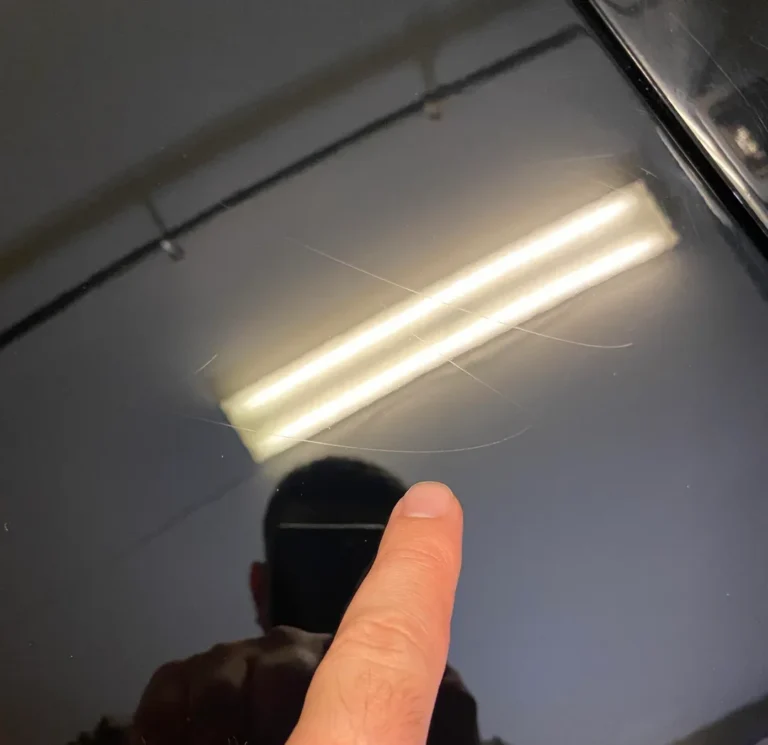
Before deciding how to treat a scratch, try the simple fingernail test. Wash and dry the affected area thoroughly, then gently run your fingernail across the scratch at a right angle. While not a definitive diagnosis, it provides a good indication of how deep the scratch may be.
- Your fingernail doesn’t catch: The scratch is likely confined to the clear coat. Light swirl marks and surface scratches in this category can often be improved with a quality scratch remover or professional polishing.
- Your fingernail catches slightly: The scratch is probably deeper within the clear coat. In most cases, professional paint correction offers the best chance of reducing or removing it.
- Your fingernail catches deeply: The scratch may have penetrated the clear coat and reached the base coat. Touch-up paint or refinishing is usually required.
- The scratch feels rough or exposes primer or bare metal: Professional repair is recommended as soon as possible to prevent corrosion and further paint damage.
This quick test takes less than a minute and helps you choose the most appropriate repair method.
DIY Scratch Removal: What Works and What Doesn't
If a scratch is confined to the clear coat, there are a few DIY solutions that can improve its appearance. However, deeper scratches usually require professional repair. Here’s what works and what doesn’t.
Scratch Remover Products
Automotive scratch removers and polishing compounds use fine abrasives to smooth the clear coat around light scratches and swirl marks, making them less visible. Applied with a clean microfibre applicator, they can noticeably improve minor defects. However, they cannot restore paint that has been removed or eliminate deep scratches.
Touch-Up Paint Pens
Touch-up paint is suitable for scratches that have reached the colour coat. While it won’t make the damage disappear completely, it helps reduce the scratch’s visibility and seals exposed paint until a professional repair or repaint can be carried out.
What you shouldn’t try
- Toothpaste: Although toothpaste is mildly abrasive, it isn’t designed for automotive paint. It may improve extremely fine marks, but it can also leave uneven results or dull the finish. A dedicated automotive scratch remover is always the safer and more effective choice.
- DIY Machine Polishing: Machine polishing requires the right equipment, paint thickness knowledge and experience. Incorrect technique can remove excessive clear coat, create new swirl marks or permanently damage the paint. For anything beyond light surface scratches, it’s best left to professional car detailing services.
Professional Paint Correction
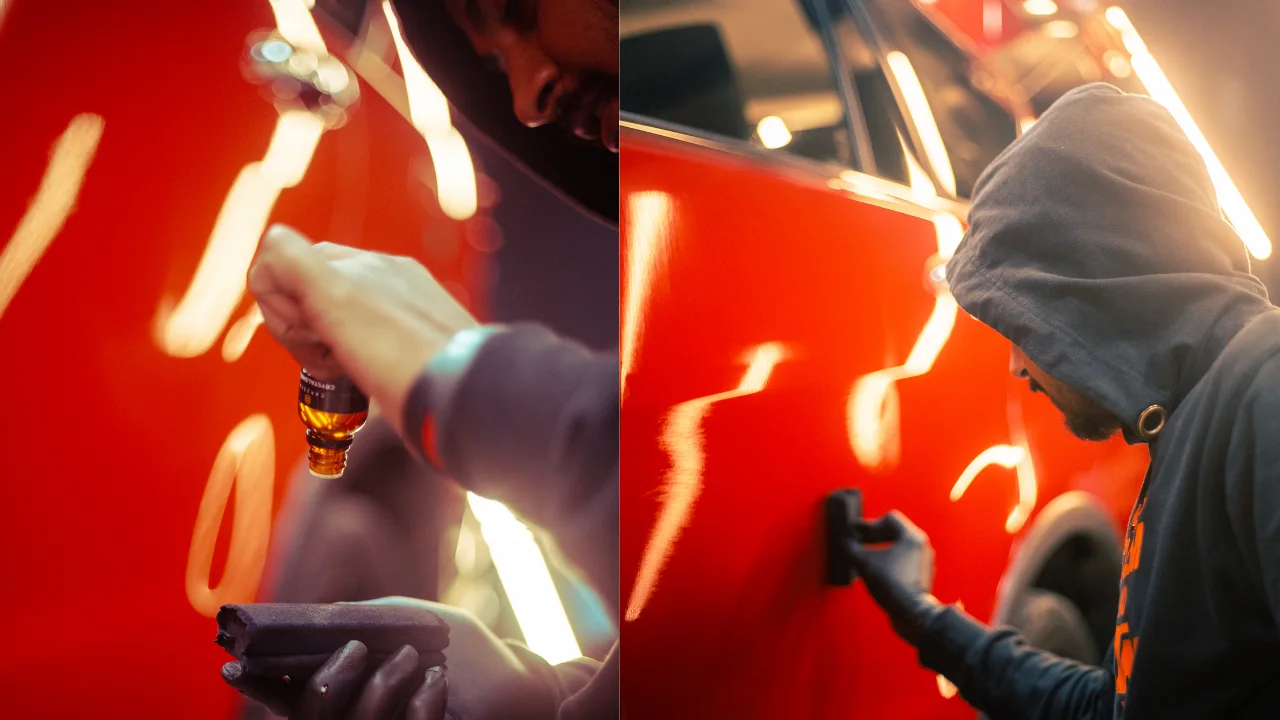
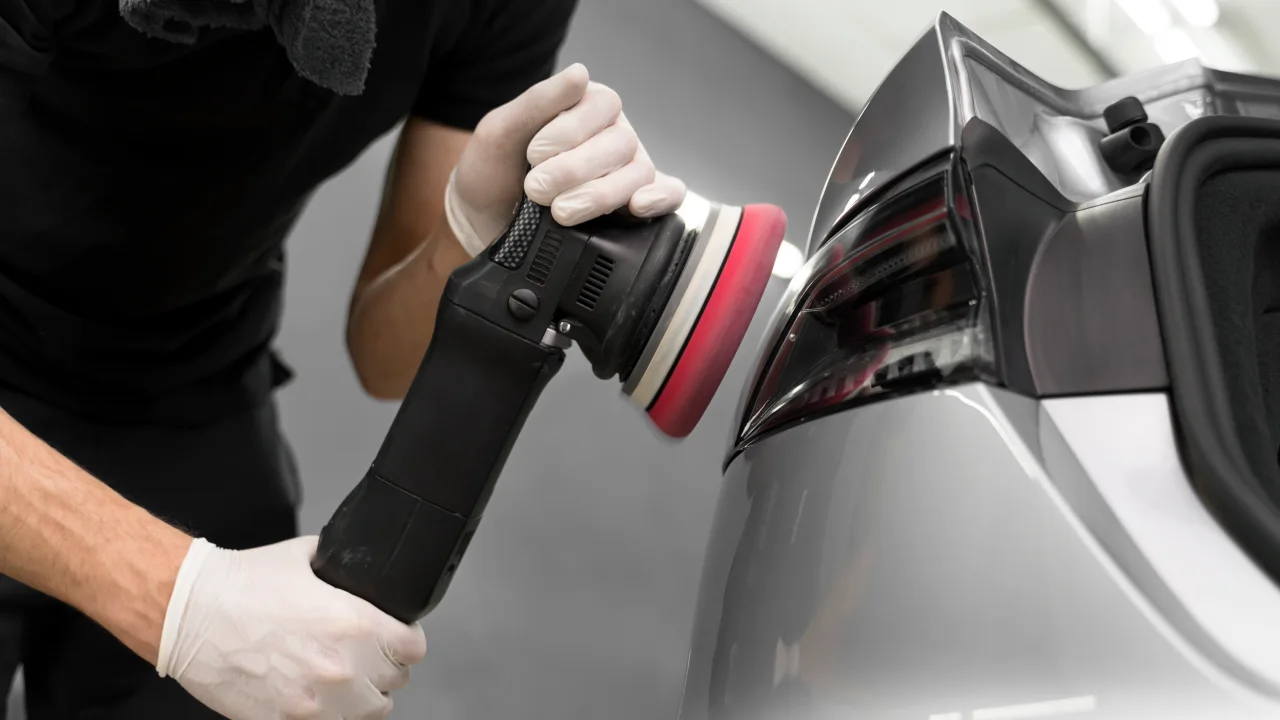
When scratches extend beyond what DIY products can fix, professional paint correction offers the safest and most effective solution. Performed by car detailing studios like CarzSpa, it restores your vehicle’s finish by carefully removing defects from the clear coat while preserving as much paint as possible.
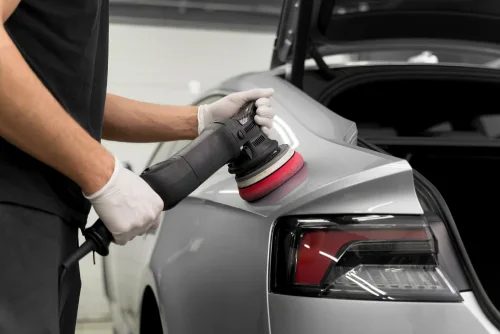
A professional paint correction process typically includes:
- Inspection & Paint Assessment: The paint is inspected under specialised lighting and a paint thickness gauge is used to determine the safest correction approach.
- Paint Surface Refinement: The vehicle is thoroughly washed and decontaminated using a clay bar to remove bonded contaminants such as tar, iron particles and industrial fallout that regular washing cannot eliminate.
- Compounding: A machine polisher and cutting compound are used to remove or significantly reduce swirl marks, light scratches, oxidation and other surface imperfections.
- Polishing & Finishing: A finer polish restores gloss, clarity and depth while refining the finish to a near-showroom appearance.
- Paint Protection: Once correction is complete, a paint sealant, car ceramic coating, graphene coating or PPF coating can be applied to help protect the restored finish from future damage.
Professional paint correction cannot replace paint that has been removed or repair scratches that reach the base coat or primer. However, for swirl marks, clear coat scratches and oxidation, it remains the most effective way to restore your car’s appearance and prepare the paint for long-term protection.
Car Paint Protection After Scratch Removal
Once your vehicle has undergone paint correction, protecting the restored finish should be the next priority. Without a protective layer, the paint is once again exposed to UV rays, environmental contaminants and everyday wear. Choosing the right protection helps preserve the corrected finish for longer.
Car Ceramic Coating
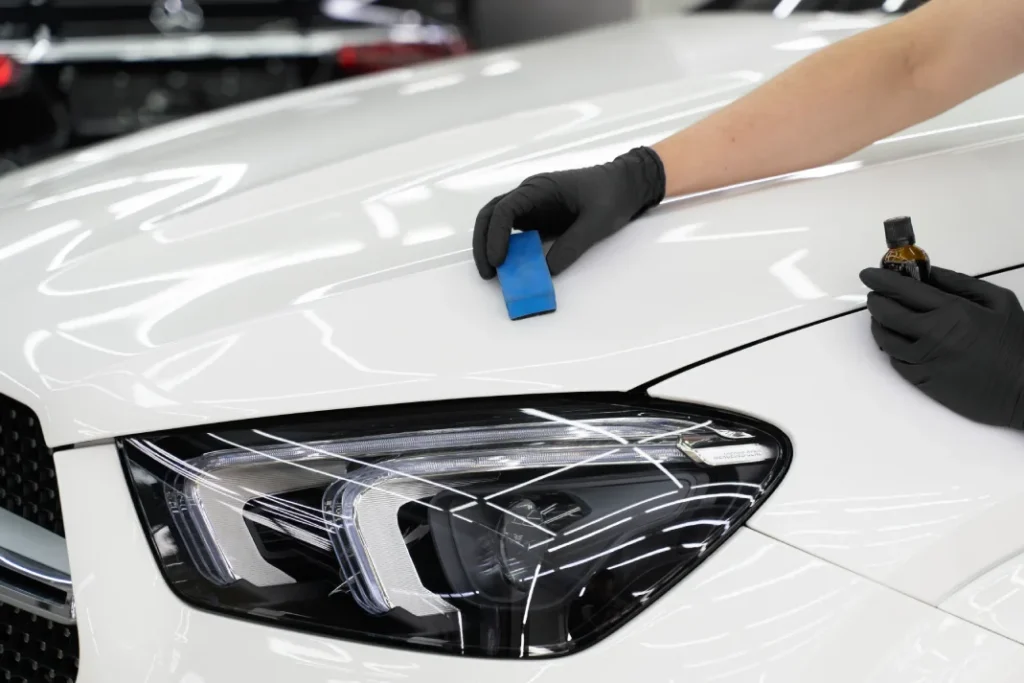
A car ceramic coating chemically bonds with the clear coat to create a smooth, hydrophobic surface that repels water, dirt and other contaminants. It helps reduce wash-induced swirl marks, protects against UV rays and chemical staining and makes routine maintenance much easier. However, it does not prevent stone chips or deep scratches.
Graphene Coating
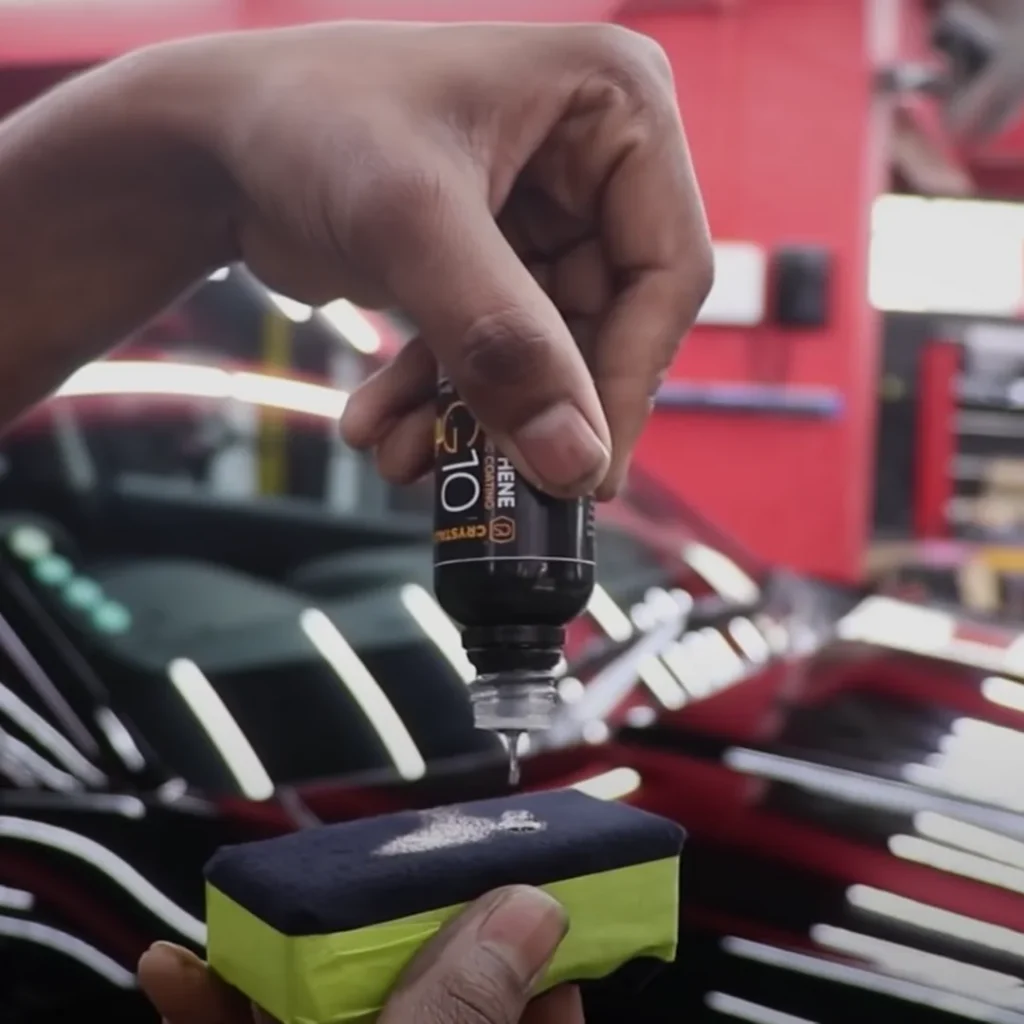
Graphene coating builds on the benefits of ceramic coating by offering excellent slickness, improved resistance to water spotting and long-lasting durability. It’s an ideal option for owners looking for premium paint protection with minimal maintenance.
Paint Protection Film (PPF)
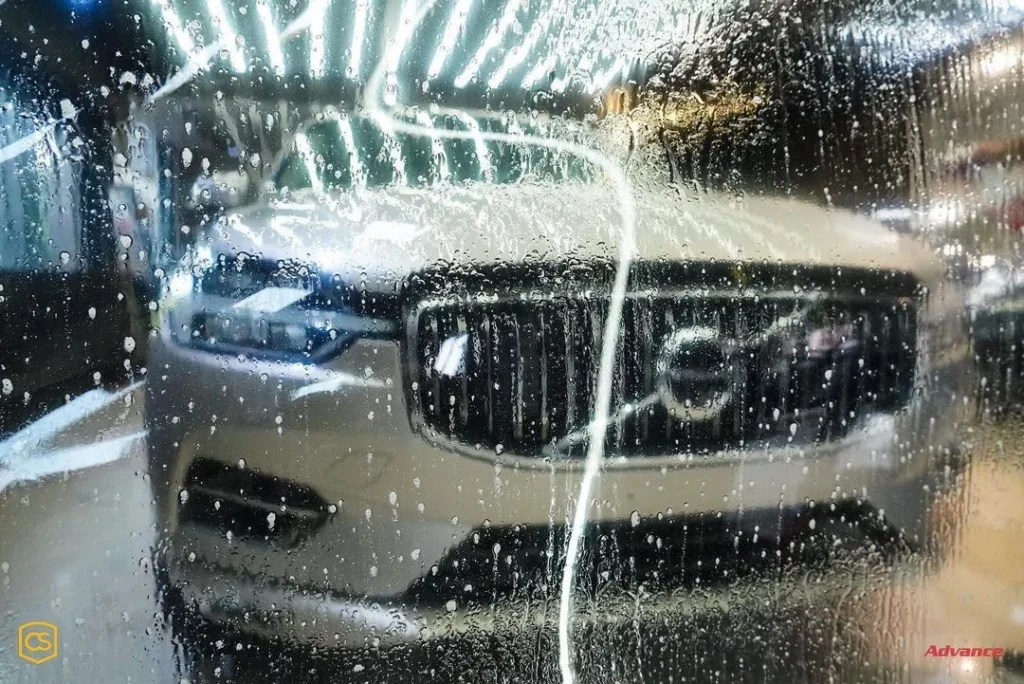
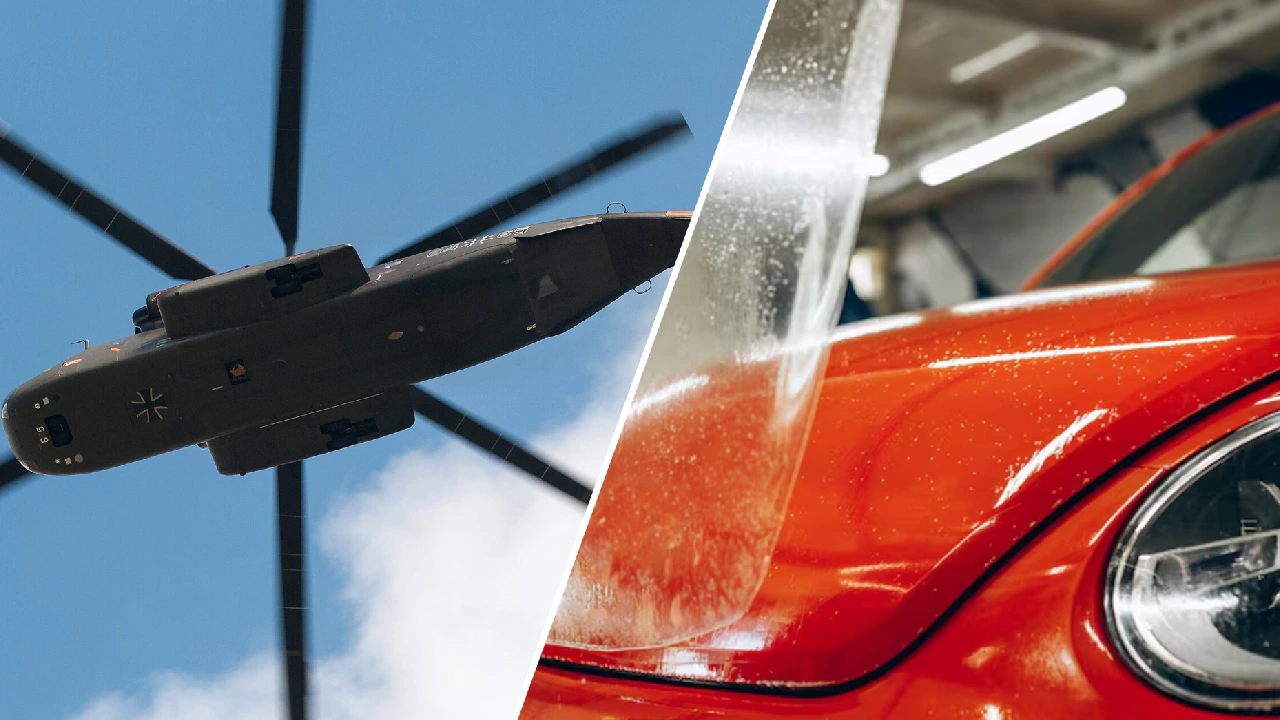
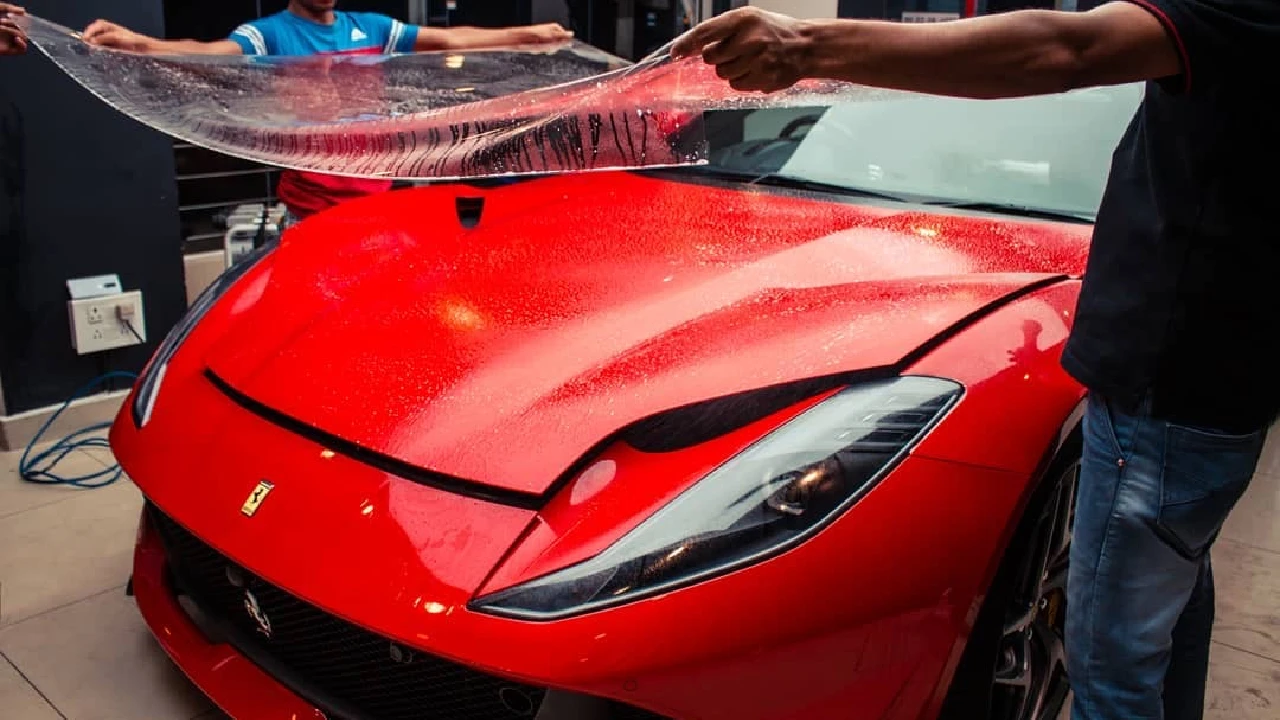
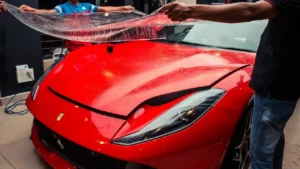
Unlike ceramic or graphene coatings, PPF coating provides physical protection against stone chips, road debris and minor abrasions. Made from durable TPU, a high-quality car paint protection film absorbs everyday impacts before they reach the paint, while many premium films also feature self-healing properties for minor surface marks.
For the highest level of protection, many car owners choose PPF on high-impact areas and apply ceramic or graphene coating over the remaining painted surfaces. This combination delivers excellent defence against both physical damage and environmental wear.
Biggest Causes of Car Scratches
Most car scratches don’t happen in dramatic accidents—they occur during everyday driving, parking and even routine washing. Understanding the most common causes can help you avoid unnecessary paint damage.
- Dirty Wash Mitts & Sponges: Trapped dirt and grit can drag across the paint, creating fine swirl marks and scratches during washing.
- Automatic Brush Car Washes: Worn brushes often carry abrasive particles from previous vehicles, increasing the risk of paint damage.
- Wiping Dust Off a Dry Car: Dust contains tiny abrasive particles. Rubbing it across dry paint can leave visible scratches over time.
- Poor Parking Choices: Parking too close to other vehicles, pillars or walls increases the chances of door dings and accidental scrapes.
- Children’s Bicycles & Toys: Bikes, scooters and outdoor play equipment can easily scratch parked cars in residential areas.
- Tree Branches & Shrubs: Low-hanging branches and overgrown bushes can leave scratches, especially on narrow roads or during windy weather.
- Road Debris: Loose gravel, stones and other debris thrown up by passing vehicles can chip or scratch your car’s paint.
- Shopping Trolleys: Unsecured trolleys in parking lots can roll into parked cars, leaving dents and scratches on doors and bumpers.
While some scratches are unavoidable, most can be prevented with careful washing habits, mindful parking and the right paint protection.
How to Prevent Car Scratches
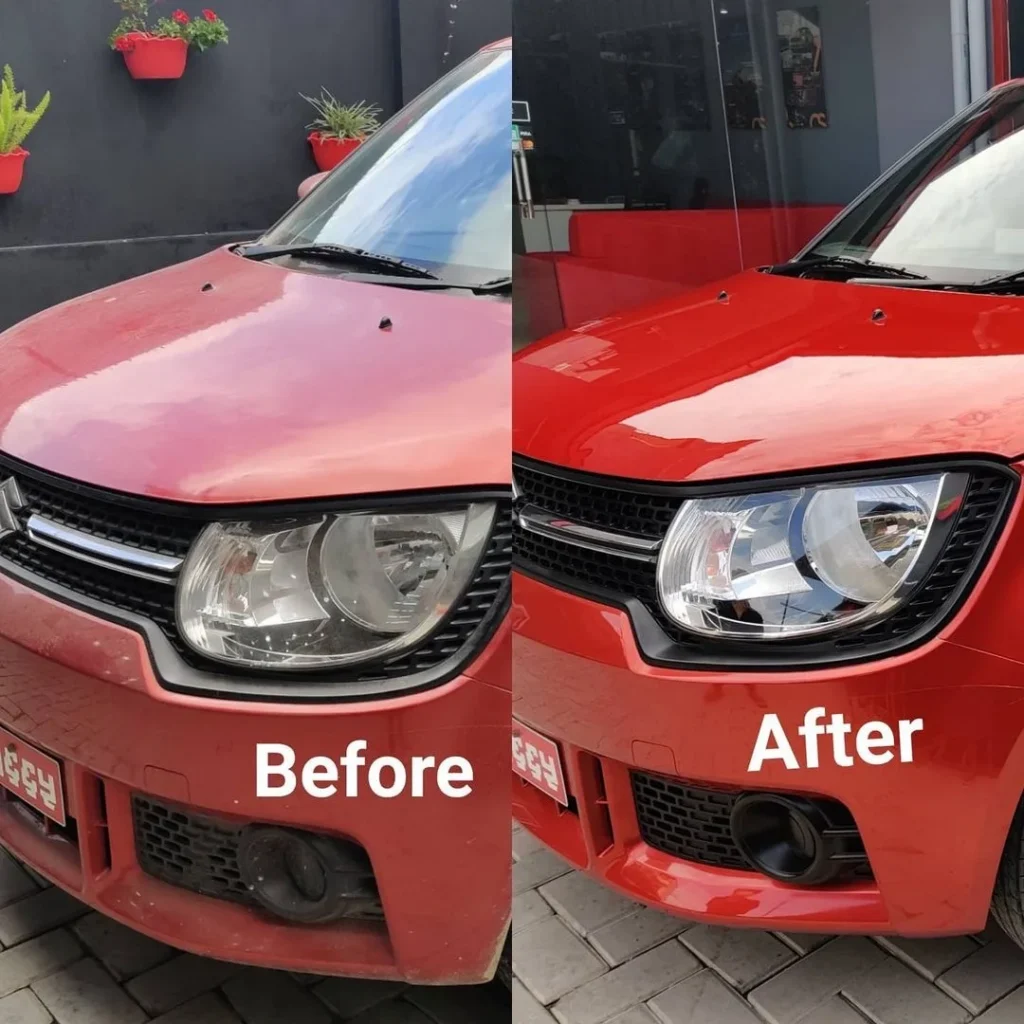
Preventing scratches is far easier and more affordable than repairing them. A few simple habits can go a long way in keeping your car’s paint looking its best.
- Wash Your Car the Right Way: Use a pH-neutral car shampoo, the two-bucket wash method and a clean microfibre wash mitt. Avoid wiping dust off a dry surface, as it can create fine swirl marks.
- Avoid Automatic Brush Car Washes: Brush-type car washes can trap dirt and grit, which may scratch the paint. Whenever possible, choose a hand wash or a touchless automatic wash.
- Park Smart: Park away from crowded spaces, shopping trolleys and overhanging trees to reduce the risk of accidental scratches, bird droppings and tree sap.
- Remove Contaminants Promptly: Bird droppings, tree sap and industrial fallout can damage the clear coat if left too long. Clean them off as soon as possible using a suitable detailing spray and a soft microfibre cloth.
- Protect Your Paint: The best time to invest in protection is before scratches appear. PPF, ceramic coating and graphene coating help minimise everyday paint damage, preserve your vehicle’s finish and reduce the need for future paint correction.
Conclusion
Not every car scratch requires the same solution. While light swirl marks and clear coat scratches can often be corrected through professional paint correction, deeper damage may require touch-up paint or panel repair. The key is identifying the type of scratch before choosing a treatment. More importantly, once your paint has been restored, protect it from future damage. Paint protection solutions like ceramic coating, graphene coating and PPF help preserve your vehicle’s finish and reduce the need for repeated correction. At CarzSpa, our expert car detailing services combine honest assessments, professional paint correction and advanced paint protection to keep your car looking its best for years to come, because preventing scratches is always better than repairing them.
Frequently Asked Questions
1. Can all car scratches be removed by polishing?
No. Paint correction and polishing remove scratches within the clear coat only. Scratches that have broken through to the base coat, primer or bare metal cannot be polished out.
2. What is paint correction and how is it different from regular polishing?
Paint correction is a professional multi-stage process using machine polishers, cutting compounds and progressively finer polishes to remove surface defects from the clear coat.
3. What does clay bar treatment do for scratched paint?
Clay bar treatment removes bonded contamination like tar, industrial fallout, rail dust, from the paint surface before polishing begins.
4. How much does professional paint correction cost in India?
Paint correction as a stand-alone service might range anywhere between ₹4,000 and ₹8,000 depending on the damage
5. Should I get ceramic coating or PPF after paint correction?
If you wish to protect your car from environmental aggressors, choose ceramic coating and if you wish to protect the paint from scratches, go for PPF
Share: