Every car owner researching paint protection eventually arrives at the same question: is ceramic coating for cars really worth the investment? With so much information available online, it’s easy to come across claims that ceramic coatings make a vehicle scratch-proof, maintenance-free or permanently glossy. The reality, however, is far more practical. While ceramic coating offers impressive long-term benefits, it also has limitations that every car owner should understand before making a decision.
In this guide, we’ll take an honest look at the real pros and cons of ceramic coating, explaining what it protects against, where it falls short and what factors influence its long-term performance. By the end, you’ll have a clear understanding of whether ceramic coating is the right choice for your vehicle, driving habits and ownership goals.
Table of contents
- What Is Ceramic Coating?
- The Pros of Ceramic Coating
- The Cons of Ceramic Coating
- Who Should Actually Get Ceramic Coating?
- Is Ceramic Coating Worth It?
- What Makes a Good Ceramic Coating Installation?
- Pros and Cons of Different Ceramic Coating Types
- Ceramic Coating vs Other Paint Protection Options
- Why Ceramic Coating Makes More Sense on Indian Roads
- Why Choose CrystalShield Ceramic Coating at CarzSpa?
- Conclusion
- Frequently Asked Questions
What Is Ceramic Coating?
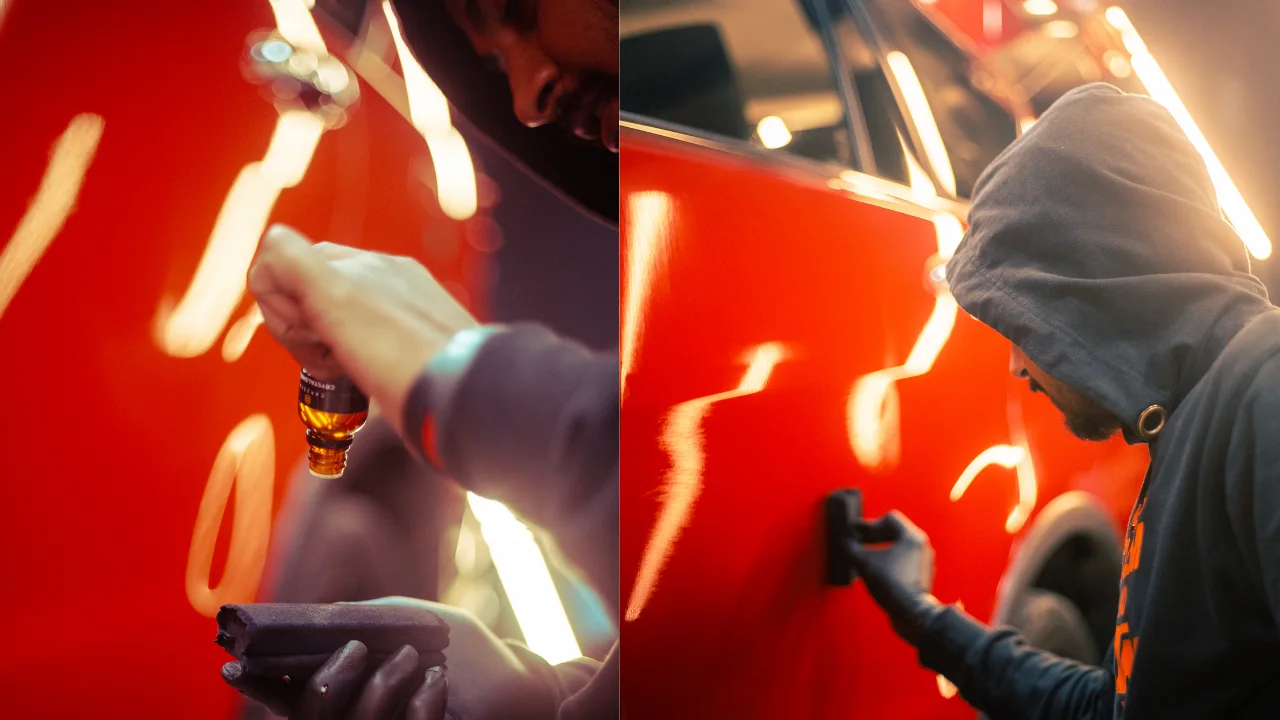
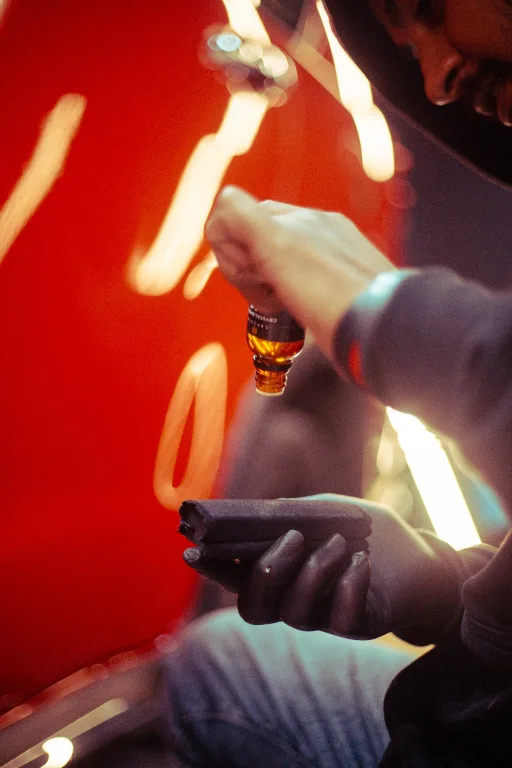
A car ceramic coating is a liquid polymer made primarily with silicon dioxide (SiO₂) or advanced nanoceramic compounds that chemically bond with your vehicle’s factory clear coat. Unlike waxes or paint sealants that sit on the paint surface, it forms a durable, semi-permanent protective layer that enhances gloss and creates a smooth, hydrophobic finish. This layer helps repel water, dirt, bird droppings, tree sap and other environmental contaminants while providing resistance against UV rays and chemical stains.
However, ceramic coating is not designed to absorb physical impacts or prevent deep scratches and stone chips like paint protection film. Understanding what ceramic coating can and cannot do is the first step towards deciding whether it’s the right paint protection solution for your vehicle.
The Pros of Ceramic Coating
1. Exceptional Gloss and Paint Enhancement
One of the biggest reasons to choose ceramic coating for cars is the rich, glossy finish it creates. It enhances paint depth, improves reflection clarity and brings out the vibrancy of solid and metallic colours. Unlike wax, the shine lasts for years with proper maintenance, keeping your car looking freshly detailed.
2. Outstanding Hydrophobic Performance
Ceramic coatings create a highly hydrophobic surface that causes water to bead and roll away, carrying loose dirt with it. This self-cleaning effect reduces grime build-up, makes washing easier and minimises water spots, especially during India’s dusty summers and heavy monsoon season.
3. Excellent Protection Against UV Rays and Chemicals
A professionally applied car ceramic coating forms a protective barrier against UV rays, bird droppings, tree sap, insect residue and other environmental contaminants. While it cannot prevent physical damage, it helps reduce oxidation, fading and chemical staining, preserving your vehicle’s paint for longer.
4. Makes Washing Much Easier
Because dirt and contaminants struggle to bond with the coated surface, routine washing becomes quicker and requires less effort. The reduced need for aggressive scrubbing also lowers the risk of introducing wash-induced swirl marks, helping your vehicle stay cleaner between washes.
5. Long-Lasting Protection
Unlike waxes and paint sealants that require frequent reapplication, professional ceramic coatings provide years of protection. Depending on the product, maintenance routine and driving conditions, they can maintain their gloss, hydrophobic properties and chemical resistance for three to five years or longer.
6. Helps Preserve Resale Value
Well-maintained paint leaves a lasting impression on potential buyers. By preserving gloss, reducing oxidation and protecting against environmental staining, ceramic coating helps your vehicle retain its appearance over time, potentially improving resale value while reducing the need for costly paint correction before sale.
The Cons of Ceramic Coating
1. It Doesn't Prevent Stone Chips or Deep Scratches
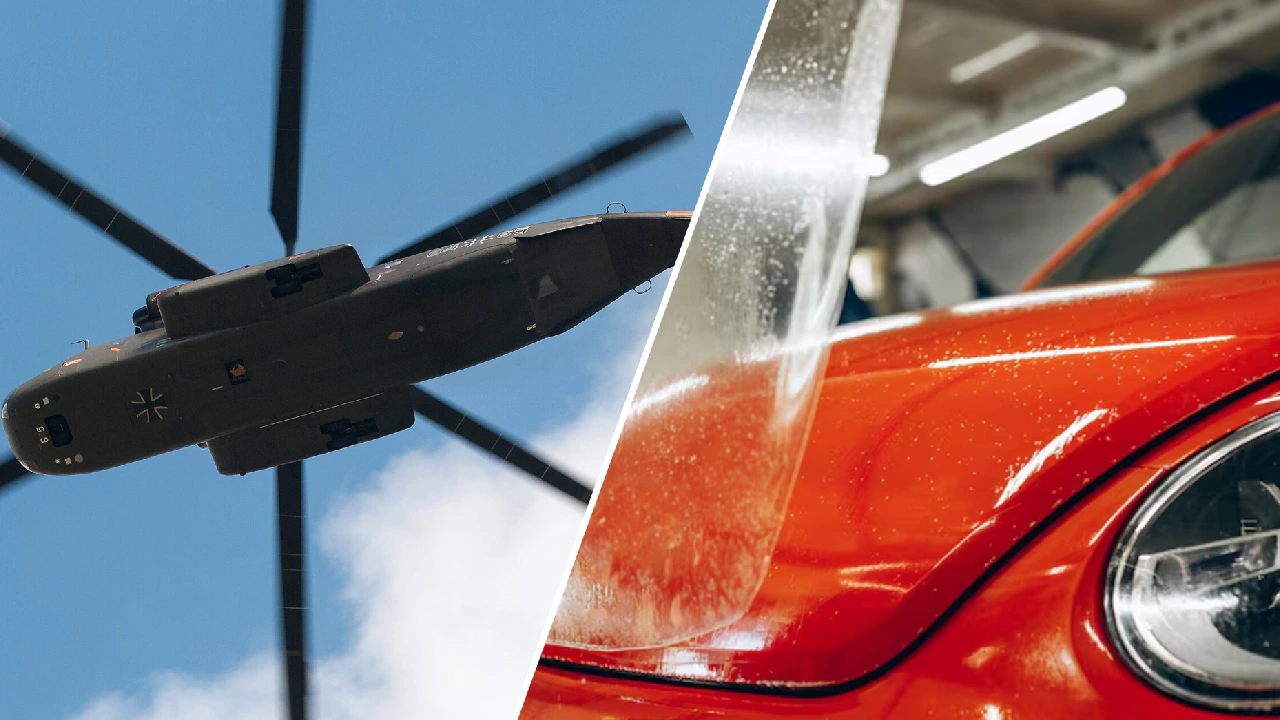
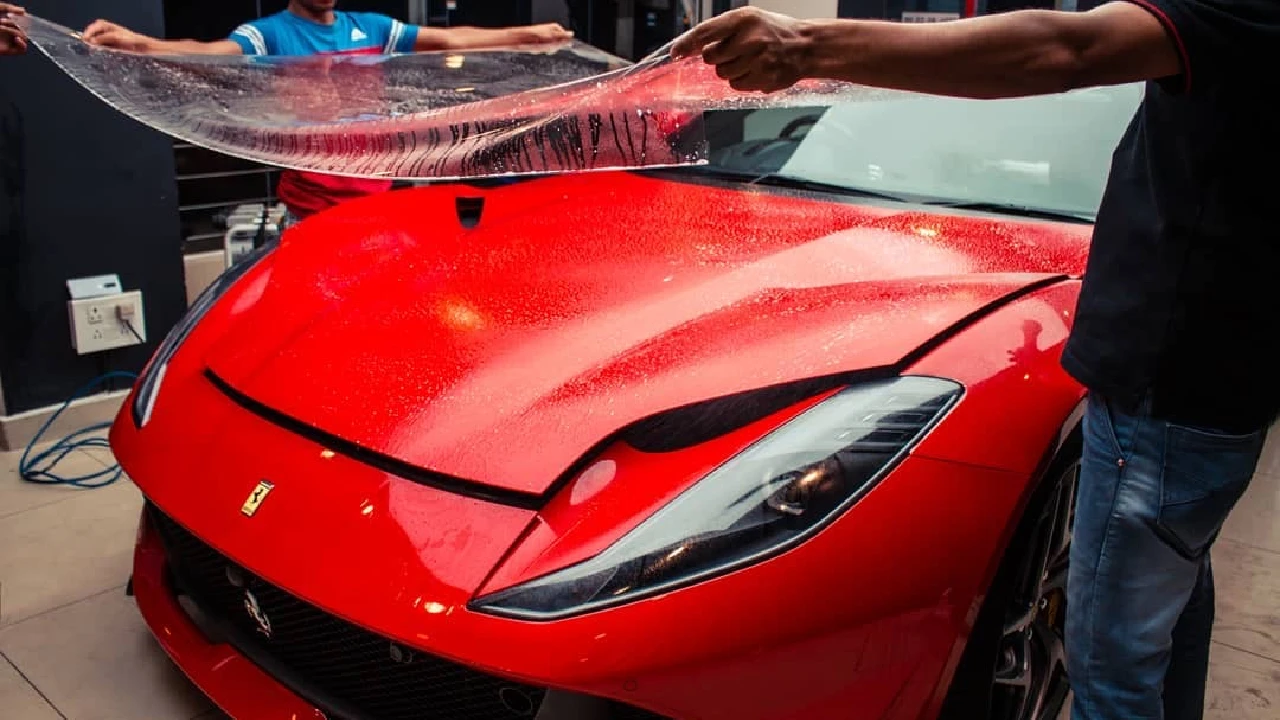
Ceramic coating is not a substitute for paint protection film. Although it helps reduce minor wash-induced swirl marks, it cannot absorb impacts from stone chips, deep scratches or parking scrapes. If physical protection is your priority, PPF remains the more suitable solution.
2. Professional Installation Isn't Cheap
The upfront ceramic coating price may seem high compared to waxing, especially when paint correction is required before application. However, because professional coatings last for years, many owners find the long-term value outweighs the initial investment.
3. Poor Installation Delivers Poor Results
Even the best ceramic coating for cars cannot overcome poor surface preparation or incorrect application. Swirl marks, water spots and other paint defects become sealed beneath the coating, while application errors can leave visible high spots that often require polishing to correct.
4. Ceramic Coating Still Requires Maintenance
Ceramic coating makes cleaning easier, but it doesn’t eliminate the need for regular washing. Dust, bird droppings and mineral deposits should still be removed promptly using proper wash techniques to preserve the coating’s hydrophobic performance and overall durability.
5. Not Every Ceramic Coating Performs the Same
Ceramic coatings vary widely in formulation, durability and performance. Lower-quality products may lose their gloss and water-repellent properties much sooner than premium options. Choosing a trusted brand and an experienced installer is often more important than choosing the lowest price.
Common Ceramic Coating Myths
Many misconceptions about ceramic coating create unrealistic expectations and often lead to disappointment. Here’s the truth behind some of the most common myths.
| Myth | Reality |
|---|---|
| Ceramic coating makes your car scratch-proof. | False. Ceramic coating can reduce minor wash-induced swirl marks but cannot prevent deep scratches, stone chips or impact damage. |
| You'll never have to wash your car again. | False. Ceramic coating makes washing easier by repelling dirt and water, but regular cleaning is still essential to maintain its performance. |
| Ceramic coating provides lifetime protection. | False. Professional coatings typically last several years, depending on the product, maintenance routine and driving conditions. |
| A cheaper coating performs the same as a premium one. | False. Coating quality, formulation, installer expertise and preparation all have a significant impact on durability and long-term performance. |
| Paint correction isn't necessary before application. | False. Ceramic coating seals the condition of the paint beneath it. Correcting swirl marks, oxidation and other defects beforehand delivers a much better finish. |
| Only luxury cars benefit from ceramic coating. | False. Any vehicle can benefit from easier maintenance, UV protection and long-lasting gloss, whether it's a daily commuter, family SUV or premium car. |
Who Should Actually Get Ceramic Coating?
Not every vehicle requires the same level of paint protection. This decision matrix helps determine whether ceramic coating matches your ownership goals and driving habits.
| Driving Profile & Usage | Ideal Protection Choice | Why It Works |
|---|---|---|
| New car owners keeping the vehicle for 3+ years | Premium Ceramic Coating | Preserves gloss and simplifies maintenance throughout ownership. |
| Daily city commuters | Ceramic Coating | Protects against pollution, bird droppings, hard water spots and UV damage. |
| Owners who wash their own vehicles | Ceramic Coating | Makes cleaning easier while reducing wash-induced swirl marks. |
| Luxury and premium vehicle owners | Ceramic + Annual Maintenance | Maintains showroom appearance with minimal paint deterioration. |
| Owners planning to sell within 12 months | Ceramic Coating / Wax | High upfront film costs are difficult to recover within short ownership windows. |
| Highway commuters prone to stone chips | Paint Protection Film + Ceramic Coating | Physical impact protection combined with superior gloss and hydrophobicity. |
| Older vehicles with faded paint | Paint Correction + Ceramic Coating | Restores finish before sealing it under long-term protection. |
Is Ceramic Coating Worth It?
Yes, ceramic coating for cars is absolutely worth considering if your priority is preserving your vehicle’s appearance rather than protecting it from physical impacts.
A professionally installed ceramic coating delivers years of gloss, excellent hydrophobic performance, UV resistance and protection against chemical contaminants. It also simplifies routine washing while reducing the frequency of polishing and paint correction.
Although it cannot prevent stone chips or deep scratches, ceramic coating remains one of the most effective long-term solutions for maintaining a vehicle’s finish. For owners planning to keep their cars for several years, it offers excellent value by protecting the paint against everyday environmental damage.
Also Read: Ceramic Coating vs PPF: Which One Should You Choose?
What Makes a Good Ceramic Coating Installation?
Since installation quality plays such a major role in ceramic coating performance, it’s worth understanding what separates an excellent application from an average one.
- Complete paint decontamination: Before coating begins, the paint must be thoroughly washed, chemically decontaminated and clay-barred to remove embedded contaminants. Applying ceramic coating over an unclean surface compromises bonding and durability.
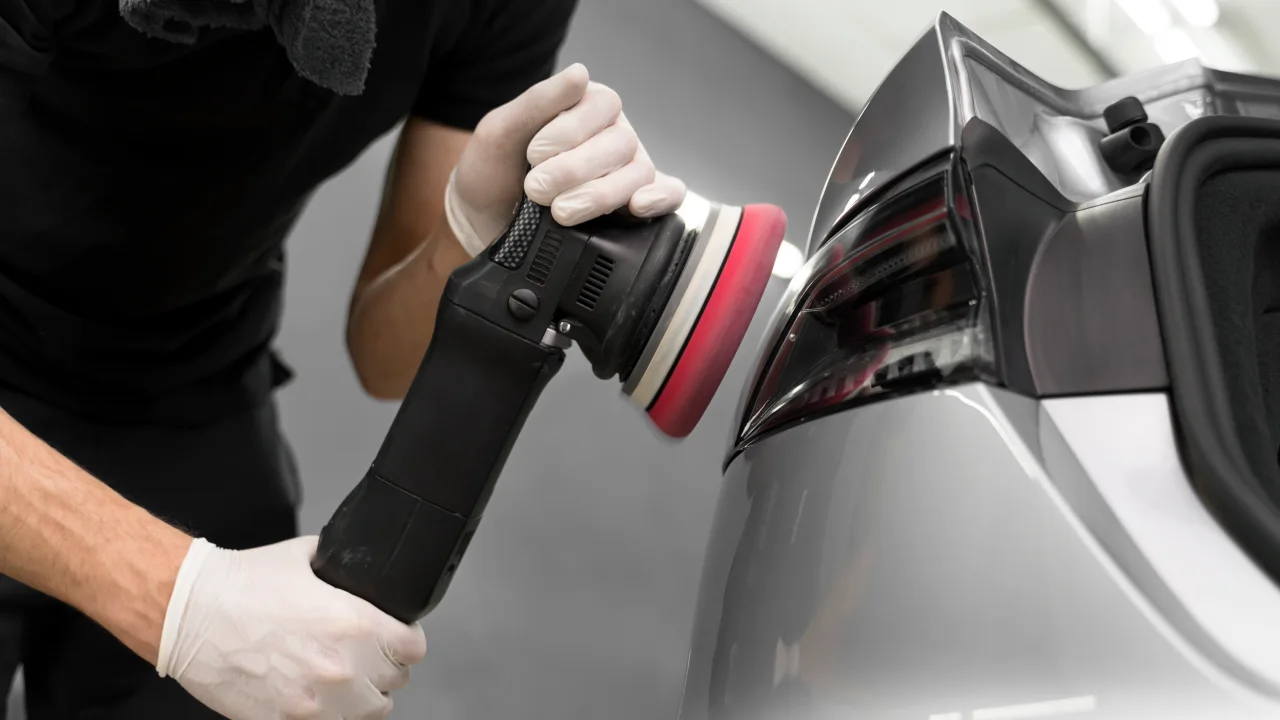
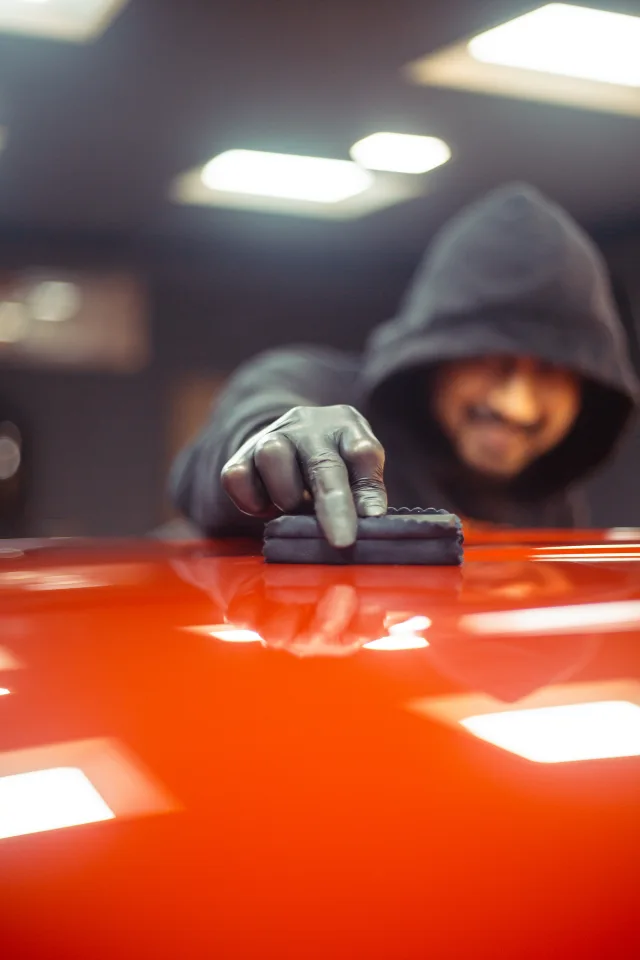
- Professional paint correction: Ceramic coating enhances everything beneath it, including defects. Professional polishing removes swirl marks, oxidation and minor scratches before the coating permanently seals the surface.
- Controlled application environment: Dust, humidity and temperature directly influence coating performance. Professional detailing studios apply coatings inside controlled environments to ensure even curing and consistent finish quality.
- Proper curing process: Fresh ceramic coatings require sufficient curing time before exposure to water, detergents or harsh weather. Rushing this stage can reduce durability and compromise the coating’s chemical bond with the paint.
Pros and Cons of Different Ceramic Coating Types
| Coating Type | Pros | Cons |
|---|---|---|
| Consumer Ceramic Spray | Affordable and easy to apply | Short lifespan and limited durability |
| SiO₂ Ceramic Coating | Excellent gloss, hydrophobicity and UV protection | Higher installation cost |
| Multi-Layer Ceramic Coating | Greater durability and chemical resistance | Longer installation process |
| Graphene Coating | Improved slickness, lower heat absorption and excellent water behaviour | Premium pricing |
| Dealer Ceramic Packages | Convenient during vehicle purchase | Product quality varies significantly |
The takeaway remains consistent throughout this article: the coating chemistry matters just as much as the installer. Choosing premium formulations applied by experienced professionals delivers far better long-term value than selecting the cheapest available package.
Ceramic Coating vs Other Paint Protection Options
| Protection Type | Physical Impact | UV Protection | Hydrophobic | Lifespan | Cost |
|---|---|---|---|---|---|
| Ceramic Coating | Limited | Excellent | Excellent | 3–5 years | Moderate |
| Graphene Coating | Limited | Excellent | Excellent | 4–6 years | Moderate–High |
| Paint Protection Film | Excellent | Good | Good | 5–10 years | High |
| Wax | None | Poor | Moderate | Weeks | Low |
| Paint Sealant | None | Moderate | Good | 6–12 months | Low–Moderate |
| Paint Sealant | None | Moderate | Good | 6–12 months | Low–Moderate |
| PPF + Ceramic Coating | Excellent | Excellent | Excellent | 5–10 years | Highest |
The combination of ceramic coating and paint protection film continues to represent the gold standard in vehicle protection. While PPF absorbs physical impacts, ceramic coating contributes outstanding gloss, chemical resistance and effortless maintenance.
Why Ceramic Coating Makes More Sense on Indian Roads
Indian driving conditions expose vehicles to far more than just dust and sunlight. Everyday environmental factors gradually degrade automotive paint, making ceramic coating a practical long-term investment rather than a cosmetic luxury.
- Harsh UV Exposure: Intense sunlight accelerates oxidation and causes paint to lose depth and clarity. Ceramic coating helps preserve gloss while slowing colour fading.
- Hard Water Stains: Mineral-rich water commonly leaves stubborn deposits after washing. The coating’s hydrophobic surface reduces water spotting and simplifies drying.
- Monsoon Mud & Road Grime: During rainy seasons, contaminants adhere far less aggressively to coated surfaces, making regular cleaning considerably easier.
- Bird Droppings & Tree Sap: Acidic contaminants can permanently etch bare paint within hours. Ceramic coating creates a protective chemical barrier that provides valuable extra time before damage occurs.
- Urban Pollution: Industrial fallout, traffic pollution and airborne contaminants are less likely to bond with coated paint, helping preserve the vehicle’s appearance between washes.
Why Choose CrystalShield Ceramic Coating at CarzSpa?
The performance of a ceramic coating depends as much on the application process as the product itself. At CarzSpa, we focus on getting every step right to deliver long-lasting results.
- Expert Paint Preparation: Every vehicle undergoes thorough washing, decontamination and paint correction to create the ideal surface for coating.
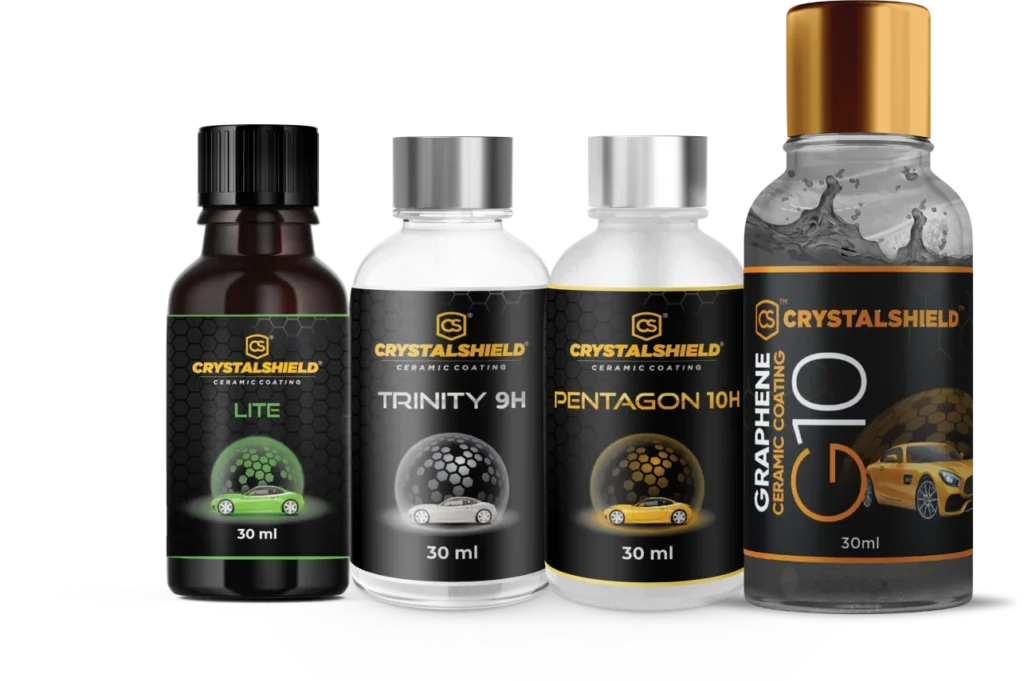
- Premium Coating Solutions: Choose CrystalShield Ceramic Coating for outstanding gloss, hydrophobic performance and protection against UV rays, chemical stains and environmental contaminants.
- Advanced Graphene Technology: Upgrade to G10 Impact Graphene Coating for enhanced slickness, improved chemical resistance and excellent durability in Indian driving conditions.
- Skilled Application: Our trained detailing specialists apply every coating in controlled environments to ensure consistent bonding and finish quality.
- Nationwide Support: With over 150 CarzSpa studios across India, you can count on professional installation, reliable aftercare and consistent service wherever you are.
Conclusion
Ceramic coating isn’t magic, but when expectations are realistic, it remains one of the smartest investments a car owner can make.
It won’t stop stone chips or prevent every scratch, but it dramatically improves gloss, simplifies maintenance and protects your vehicle against the environmental damage it faces every single day. For most owners, these benefits far outweigh the initial investment.
The key is choosing both the right product and the right installer. With premium solutions like CrystalShield Ceramic Coating and G10 Impact Graphene Coating, professionally applied by CarzSpa’s trained detailers, you can enjoy years of durable protection, effortless maintenance and a finish that continues to look showroom fresh long after delivery.
Frequently Asked Questions
1. Is ceramic coating good for cars?
Yes. Ceramic coating protects your car against UV rays, chemical contaminants and everyday environmental damage while making washing easier and preserving long-term gloss.
2. How long does ceramic coating last?
A professionally applied ceramic coating generally lasts between three and five years, depending on the product, maintenance routine and driving conditions.
3. Does ceramic coating prevent scratches?
It helps reduce minor wash-induced swirl marks but does not protect against deep scratches, stone chips or collision damage.
4. Is ceramic coating better than wax?
Yes. Ceramic coating lasts significantly longer, offers superior chemical resistance and delivers much better hydrophobic performance than conventional wax.
5. Can ceramic coating be applied to an old car?
Yes. Older vehicles usually undergo paint correction first to restore the finish before applying the ceramic coating.
6. Is graphene coating better than ceramic coating?
Graphene coatings build upon ceramic technology by offering improved slickness, excellent water behaviour and enhanced durability, making them an excellent premium option.
7. How much does ceramic coating cost in India?
Professional ceramic coating price typically ranges between ₹10,000 and ₹50,000 depending on the vehicle, coating package, paint condition and warranty offered.
8. Which brand is best for ceramic coating?
CrystalShield ceramic coating is the best ceramic coating in India