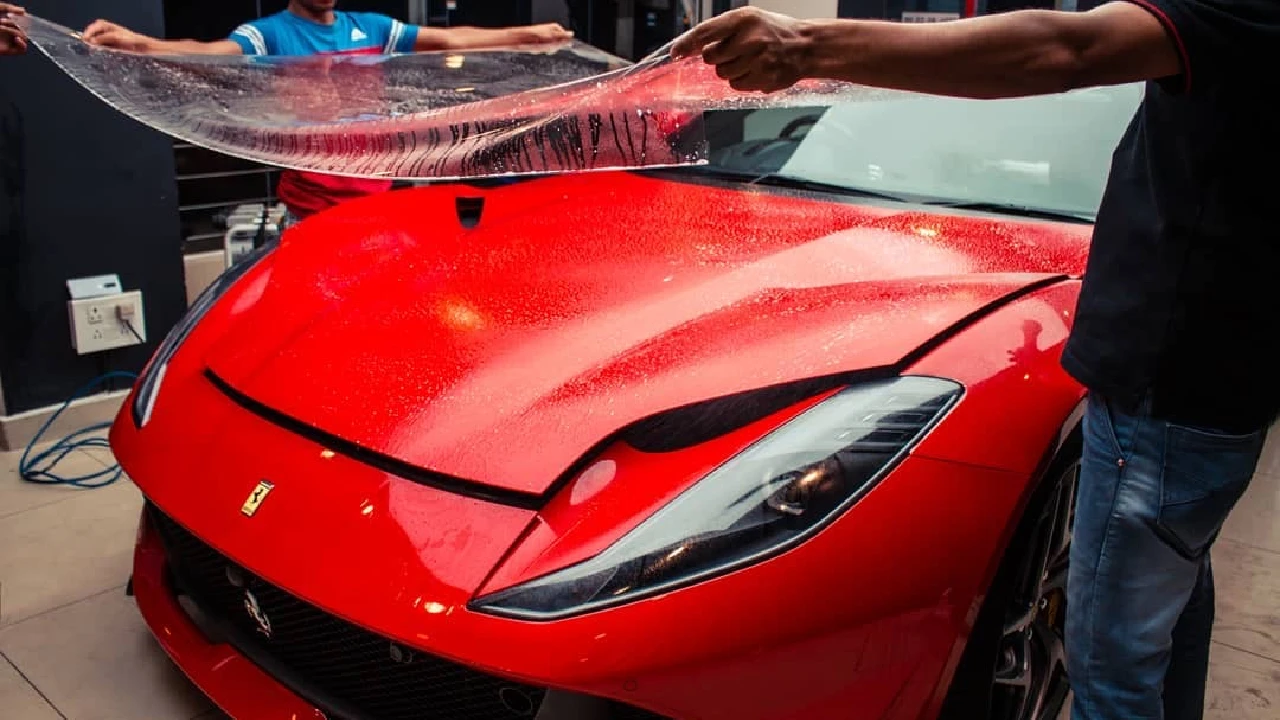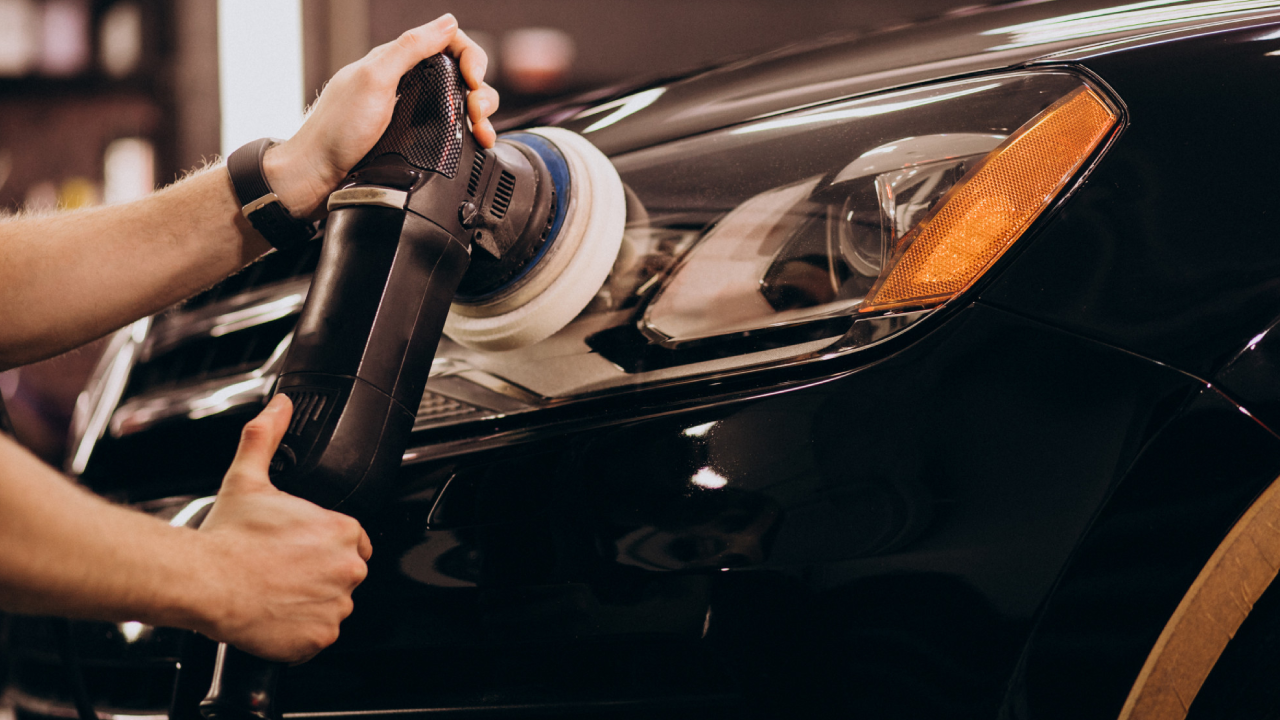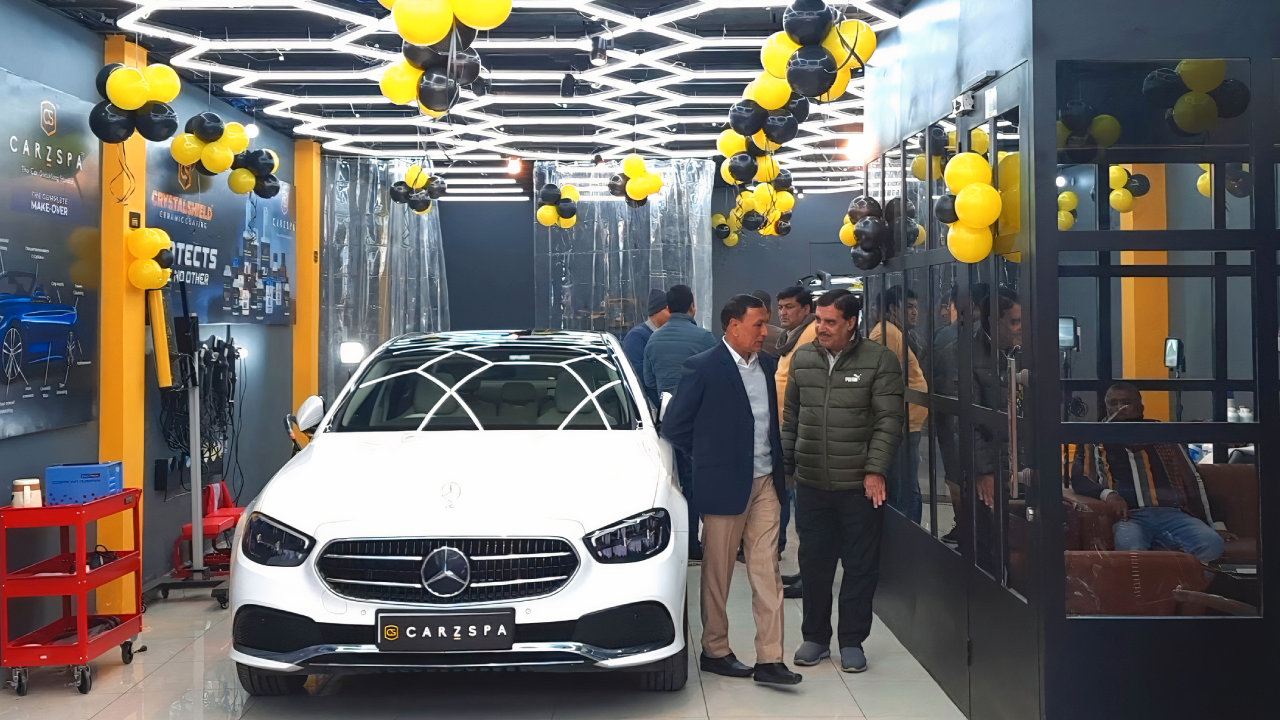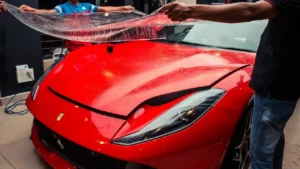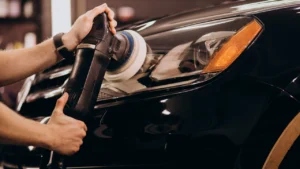
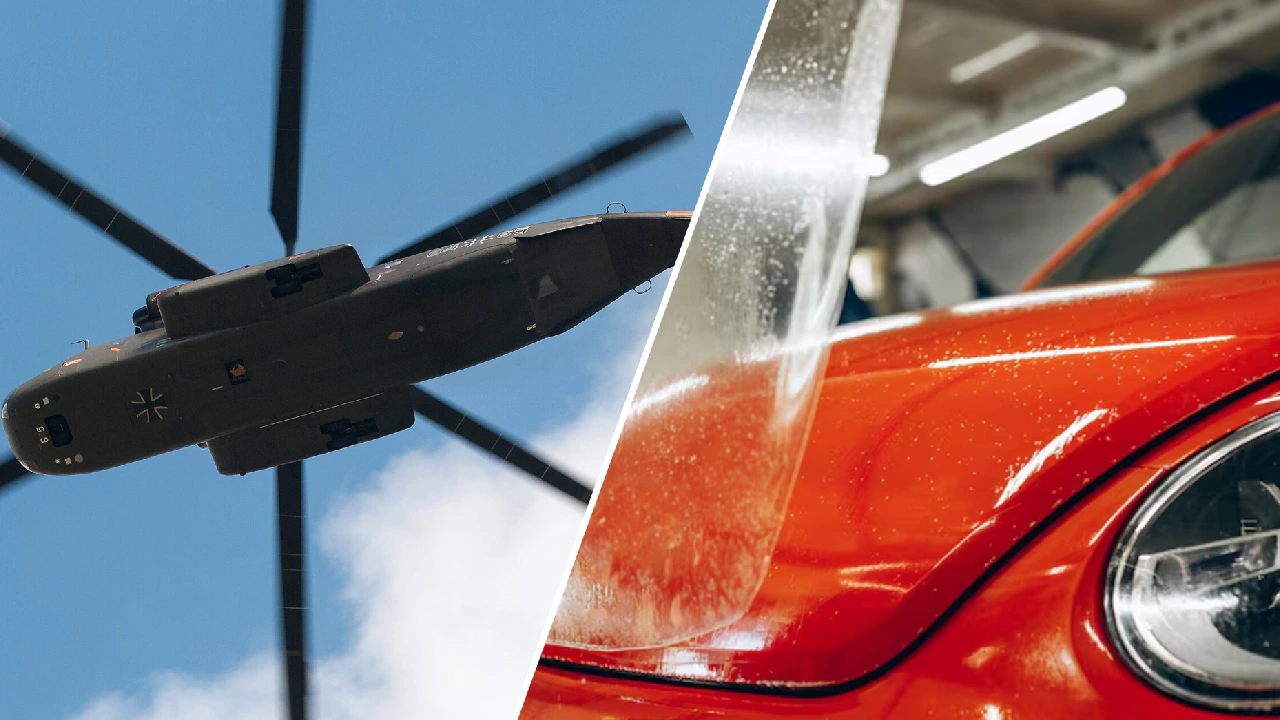
Paint protection film (PPF) was originally developed by 3M for the U.S. military during the Vietnam War to protect helicopter rotor blades from severe debris damage. Over six decades, this technology evolved from heavy-duty industrial urethane sheets into the transparent, self-healing car paint protection film used on modern vehicles today.
While high-performance PPF coating is sold today as a premium car care solution, a transparent shield keeping stone chips off your bonnet and swirl marks off your doors, that modern definition undersells its history considerably. It didn’t begin in a detailing studio, nor with ceramic chemistry or automotive enthusiasts. It began on a battlefield, solving a critical engineering problem that was costing the military its fleet.
The journey from wartime military application to the protection installed on a modern SUV spans multiple industries, six decades and a series of technological leaps most car owners have never heard of. This is that story, told in full.
Table of contents
- 1960s – The Military Origins of PPF Coating
- 1980s – PPF Adoption in Motorsport
- 1990s – The First Consumer Products
- 2000s – Self-Healing Innovation in PPF Coatings
- 2010s – Increased Adoption of PPF in India
- 2020s – Stronger, Better Paint Protection Films
- How to Choose the Right Car PPF?
- How Much Does PPF Cost in India?
- Why Choose Aegis PPF at CarzSpa?
- Conclusion
- Frequently Asked Questions
1960s - The Military Origins of PPF Coating
During the 1960s Vietnam War, the U.S. military faced a costly issue with its helicopter fleets: severe leading-edge erosion on rotor blades. Spinning through jungle air laden with dust, sand and shrapnel, the high-speed blades sustained relentless, cumulative damage that disrupted operational readiness and spiked repair expenses.
Seeking a solution, the U.S. Department of Defence approached materials science pioneer 3M. In response, 3M engineered a tough, flexible, transparent urethane film, nicknamed “helicopter tape”, to shield rotor blade edges. The film absorbed high-speed debris impacts before damage reached the surface underneath. When the film wore down, technicians simply peeled it off and replaced it, saving the underlying blade.
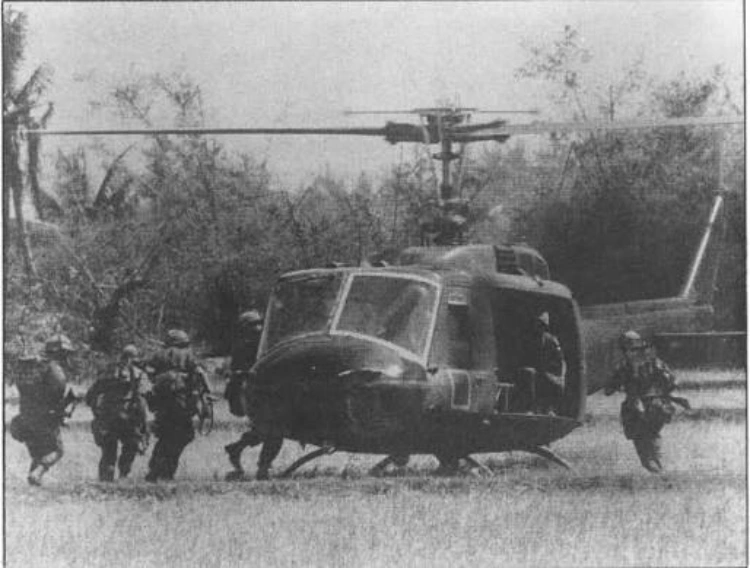
This wartime innovation marked the true birth of paint protection film. It didn’t originate in a detailing studio or an automotive showroom, but on a military base solving a critical wartime engineering challenge.
The core principles that made helicopter tape successful- a transparent, impact-absorbing barrier protecting a vulnerable surface- are the exact same fundamentals driving modern PPF coating performance on cars today. Chemical formulations have evolved dramatically, but the founding concept remains unchanged.
1980s - PPF Adoption in Motorsport
Before clear films reached everyday commuters, professional motorsport provided a natural proving ground for the technology.
High-level racing teams in Formula 1, NASCAR and touring car series view paint damage through a technical lens. To a pit crew, track debris isn’t just a cosmetic flaw; it disrupts airflow over body panels, damages sponsor liveries and inflates bodywork restoration costs between race weekends.
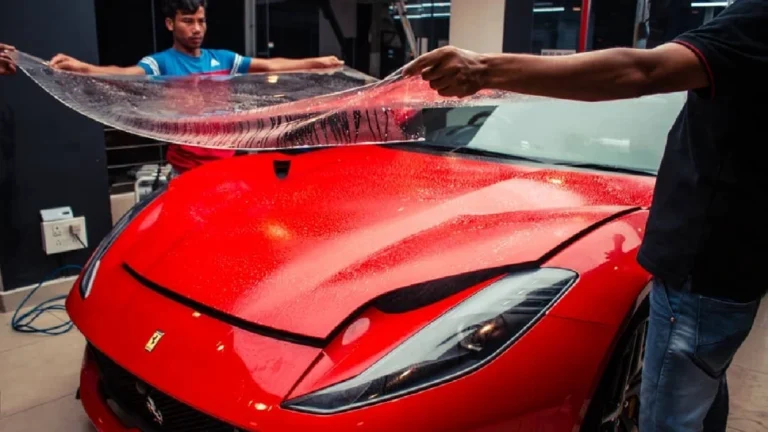
By the late 1980s, race teams began applying early protective films to high-impact zones, including front splitters, nose cones, side mirrors and door edges. The material absorbed track debris without adding weight or altering aerodynamic drag.
Motorsport adoption drove two major breakthroughs:
- Accelerated Development: Race teams demanded higher optical clarity, extreme thermal adhesion and better conformability around complex bodywork, forcing manufacturers like 3M to refine the material rapidly.
- Shift in Perception: Broadcast racing coverage exposed car enthusiasts to track-tested protection. Seeing high-performance vehicles wrapped on screen transformed public perception, shifting clear film from a utilitarian industrial sheet into an aspirational upgrade for any PPF car. To achieve consumer adoption, the technology first needed to prove its value at 200 mph.
1990s - The First Consumer Products
By the 1990s, manufacturers began adapting heavy-duty industrial urethane films into thinner, more flexible formulations engineered specifically for passenger vehicles. These early consumer clear bras marked a major evolutionary leap beyond thick military tape, allowing the film to conform to everyday automotive curves.
However, the technology was far from perfected. While early films successfully shielded bonnets and bumpers from stone chips, they suffered from significant cosmetic drawbacks. Early aliphatic urethane was prone to rapid UV degradation, causing the material to yellow, haze and lose transparency within a few years of sun exposure.
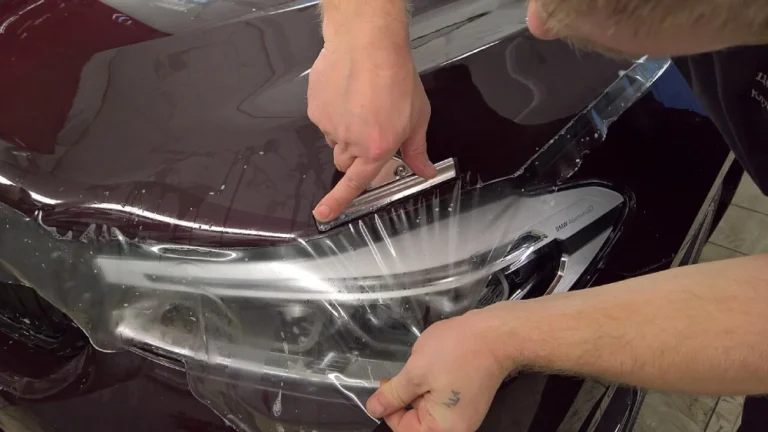
Furthermore, installation was an arduous, high-risk process. Without digital templates, installers laid bulk film manually over panels and cut edges directly on the vehicle’s clear coat with razor blades, a technique that required immense precision to avoid scoring factory paint.
Despite these early aesthetic limitations, 1990s clear bras laid the crucial commercial foundation for the industry. They proved that car owners were eager to protect their paint, setting off a decade of intensive R&D to develop the best PPF for cars that modern drivers enjoy today.
2000s - Self-Healing Innovation in PPF Coatings
The 2000s marked a pivotal technological turning point with the introduction of heat-activated self-healing topcoats. For the first time, a protective film didn’t just absorb physical impacts; it regenerated its own surface.
This breakthrough relied on advanced Thermoplastic Polyurethane (TPU) chemistry paired with shape-memory topcoats. When swirling, light scratch marks or wash-induced abrasion occurred, the molecular chains in the top layer were deformed rather than severed. When exposed to heat from direct sunlight, hot water or a heat gun, the polymer chains realigned with their flat original state, causing minor surface scratches to disappear within minutes.
Simultaneously, the industry embraced digital plotting technology. Instead of hand-cutting bulk rolls with razor blades directly on a car’s factory paint, installers began using computer-guided software to pre-cut precise, vehicle-specific templates.
Self-healing PPF technology combined with blade-free installation transformed consumer perception. Car PPF evolved from a purely utilitarian guard into an intelligent, high-gloss preservation shield. It ensured that high-end vehicles, daily drivers and exotic supercars could maintain a flawless, swirl-free finish over years of real-world driving.
2010s - Increased adoption of PPF in India
While clear film adoption accelerated globally through the 2000s, car paint protection film arrived in India on a delayed timeline. During its initial entry, awareness remained low and improper manual installations by untrained shops often caused more cosmetic harm than good.
However, India’s demanding driving environment created an urgent need for genuine protection. Unforgiving conditions, loose flying gravel, high urban traffic density, intense UV exposure, hard water staining and harsh monsoon rains routinely ruined clear coats on newly purchased vehicles.
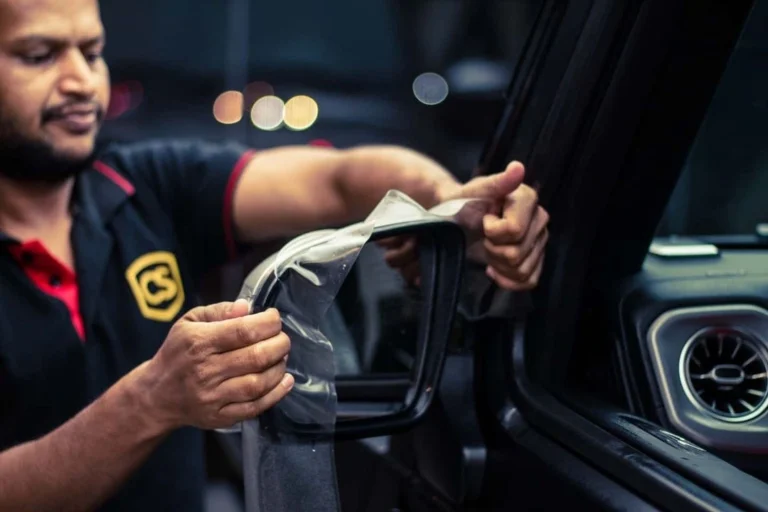
The turning point occurred when organised detailing networks professionalised the Indian market. CarzSpa spearheaded this shift by introducing premium Aegis PPF to India. By pairing cutting-edge TPU film technology with certified installation experts across dust-free, climate-controlled studios, CarzSpa eliminated early installation errors.
With Aegis PPF, car owners gained access to high-precision pre-cut templates, superior optical clarity, active self-healing capabilities and manufacturer warranties extending up to 10 years. This combination of advanced material science and studio expertise transformed niche product awareness into widespread nationwide adoption across India.
2020s - Stronger, Better Paint Protection Films
By the 2020s, paint protection film reached technological maturity. Modern TPU films are virtually invisible, hydrophobic, UV-stable for over a decade and available in gloss, matte, satin and custom colour finishes. Manual blade-on-paint slicing has been entirely replaced by precision computer-aided plotting, installed inside dust-free, climate-controlled studios.
Leading this era of material engineering, CarzSpa pioneered the introduction of Polycarbonate-infused TPU films with the Aegis XG Series. By reinforcing flexible Thermoplastic Polyurethane with high-tensile polycarbonate molecules, this next-generation hybrid film offers significantly higher impact resistance, enhanced optical clarity, and faster heat-activated self-healing than conventional films.
| Polycarbonate + TPU PPF Advantages | |
|---|---|
| Composition | Polycarbonate + TPU Molecular Fusion |
| Impact Resistance | Enhanced puncture & gravel defence |
| Self-Healing | Accelerated scratch recovery under heat |
| Optical Finish | High-gloss, no "orange peel" distortion |
This leap in paint protection science positions Aegis Films as a benchmark for performance in harsh driving environments. For car owners seeking maximum defence against stone chips and harsh weather, choosing a scientifically advanced product from the best PPF brand ensures uncompromised factory paint preservation for years to come.
How to choose the right car PPF?
Selecting the right paint protection film requires looking beyond marketing claims to verify material chemistry, warranty coverage andinstaller expertise.
- Verify the Base Material: Ensure the film is built on genuine Thermoplastic Polyurethane (TPU) or advanced TPU hybrids. Avoid cheap PVC or TPH alternatives that yellow rapidly and risk paint damage.
- Check Self-Healing & Optical Quality: Look for active heat-activated self-healing topcoats and zero “orange peel” distortion to maintain your factory paint’s depth and gloss.
- Inspect Installer Infrastructure: Choose detailing studios using computer-plotted software templates applied in dust-free, climate-controlled bays rather than manual blade cutting.
- Confirm Warranty Backing: Opt for established brands offering written warranties covering yellowing, cracking and delamination.
By prioritising verified TPU material, studio infrastructure and strong warranty support, you ensure your investment delivers lasting visual perfection and maximum protection on the road.
How Much Does PPF Cost in India?
Here is a concise module structured at 118 words:
In India, full-body PPF coating price typically ranges from ₹66,000 to ₹2,80,000+, while partial packages (protecting high-impact zones like bumpers, bonnet and mirrors) start around ₹30,000 to ₹50,000.
| Coverage Type | Estimated Price Range |
|---|---|
| Partial Coverage (High-Impact Areas) | ₹30,000 – ₹50,000 (starting price) |
| Full-Body TPU Protection | ₹66,000 – ₹2,80,000+ |
Pricing varies significantly based on several key factors:
- Vehicle Size & Complexity: Larger SUVs require more film and intricate panel wrapping.
- Film Quality & Type: Premium TPU or Polycarbonate-infused films cost more than basic grades.
- Brand & Warranty: Reputable brands offering 5 to 10-year warranties command a premium.
- Studio & Installation Expertise: Installation inside dust-free, climate-controlled bays using pre-cut software templates increases overall labour value.
Why Choose Aegis PPF at CarzSpa
Choosing Aegis PPF at CarzSpa combines cutting-edge material science with unmatched studio expertise. Here is why it stands out for your vehicle:
- Advanced PPF: Aegis PPF is made of high-tensile TPU and polycarbonate-infused hybrid formulations engineered for maximum impact defence and rapid heat-activated scratch recovery.
- Expert Installation: Every car paint protection film is applied in dust-free, climate-controlled bays by trained installers, eliminating risky application on factory clear coats.
- Hydrophobic Defence: Built-in stain resistance repels mineral deposits, harsh water marks and environmental contamination.
- Nationwide Warranty: Backed by written warranties up to 12 years across 150+ CarzSpa studios across India.
Recognised as the best PPF brand choice for discerning owners, investing in an Aegis PPF coating at CarzSpa Detailing Studios guarantees lasting optical depth, maximum resale value and complete peace of mind on Indian roads.
Conclusion
Paint protection film evolved from a 1960s military solution into today’s ultimate automotive defence. Over six decades, materials science advanced from crude urethane tape to transparent, self-healing TPU engineered to absorb high-speed debris impacts and environmental stress.
In India’s demanding driving conditions, this engineering proves its value every day. Protecting your factory paint requires choosing genuine TPU chemistry backed by precision installation.
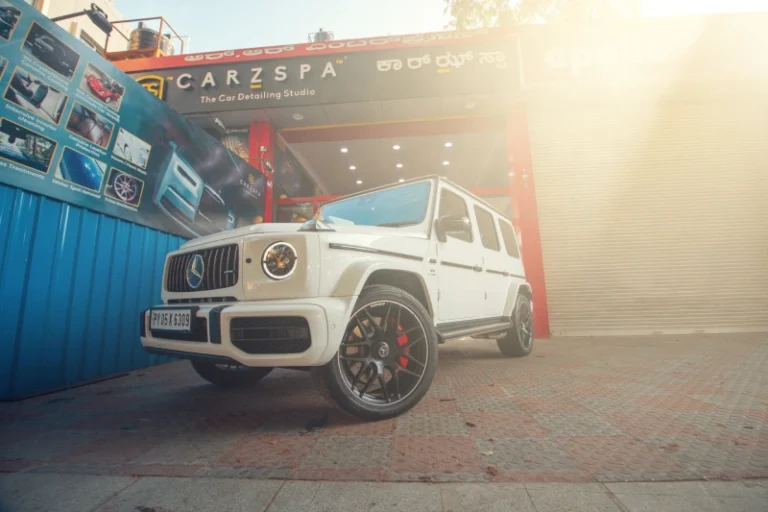
Aegis PPF at CarzSpa represents the peak of this 60-year development arc. Applied across 150+ studios nationwide by certified experts, Aegis PPF ensures your vehicle maintains factory-fresh perfection, uncompromised gloss and lasting value on every drive.
Frequently Asked Questions
1. Who invented paint protection film?
Paint protection film was developed by 3M for the United States military during the Vietnam War to protect helicopter rotor blade leading edges from debris erosion. The same protective principles were later adapted for commercial and automotive applications over the following decades.
2. When did PPF coating become available for cars?
PPF coating began entering the consumer automotive market in the early 2000s, initially for luxury and high-value vehicles. Broader consumer adoption accelerated through the 2010s as film quality improved, installation expertise developed and organised detailing networks made the product more accessible.
3. What is the difference between early PPF and modern PPF coating?
Early car paint protection film used basic polyurethane that was prone to yellowing and lacked flexibility. Modern PPF coating uses advanced TPU with self-healing top coats, ten-year UV stability, hydrophobic surface performance and optical clarity that makes it virtually invisible on gloss paint finishes.
4. Why is TPU better than TPH or PVC for paint protection film?
TPU is the industry-standard material for genuine car paint protection film because of its flexibility, impact absorption, UV resistance and self-healing capability. TPH and PVC are lower-grade alternatives that yellow quickly, lack meaningful self-healing performance and have shorter lifespans, making them a poor substitute despite their lower upfront price.
5. Is Aegis PPF the best PPF brand available in India?
Aegis PPF is one of the best PPF for cars available in the Indian market, a genuine TPU film with verified self-healing performance, batch-tracked manufacturing and a manufacturer warranty covering yellowing, cracking and delamination. It is exclusively available through CarzSpa across 150+ studios in India, ensuring verified sourcing and certified installation on every car.
6. Why was PPF called Helicopter Tape?
Paint Protection Films (PPF) were called helicopter tape because it was originally made for military helicopter rotor blades during the Vietnam War.
Share: