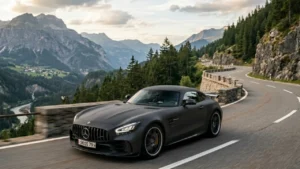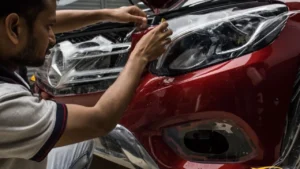
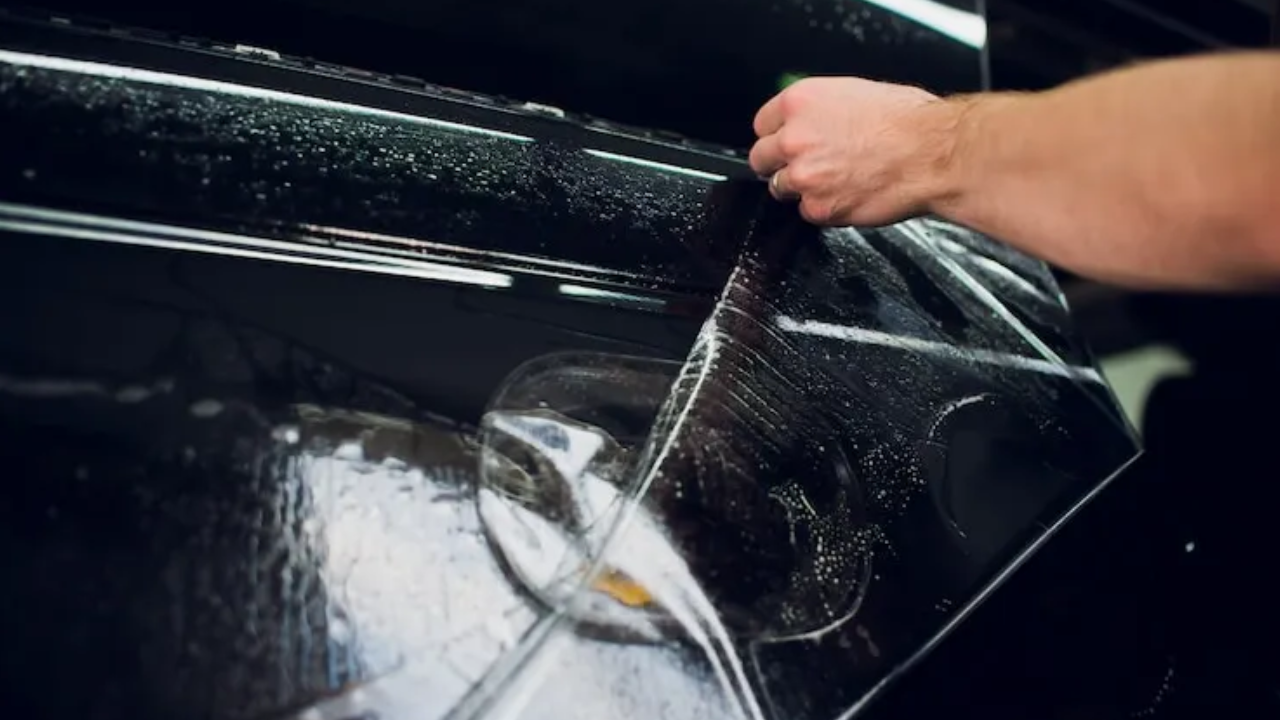
Protecting your car’s beautiful paint is more important than ever. Every day, your vehicle faces dangers like stone chips, harsh sunlight, unexpected scratches and damaging chemicals. As car paint protection technology improves, you now have three main choices for Paint Protection Film (PPF) materials: standard TPU (Thermoplastic Polyurethane), basic TPH (Thermoplastic Hybrid) or premium Polycarbonate combined with TPU films. Each type gives different levels of protection to keep your car looking showroom-new. In this simple guide, we’ll compare these three PPF coating options carefully, helping you choose the right protection for your car that fits your needs and budget.
Table of contents
- Understanding Paint Protection Films
- TPH Paint Protection Films: The Advanced Hybrid
- TPU Paint Protection Films: The Industry Standard
- Polycarbonate PPFs: The Ultimate Protection
- Head-to-Head Comparison: TPU vs. TPH vs. Polycarbonate
- Installation Considerations for Different PPF Types
- Cost Analysis: Investment vs. Protection Level
- Maintenance Requirements by PPF Type
- Choosing the Right PPF for Indian Conditions
- Conclusion
- Frequently Asked Questions
Understanding Paint Protection Film
Paint Protection Film is the best way to protect your car’s exterior. While ceramic coatings only guard against chemicals, PPF on car creates a real physical shield between your car’s paint and outside dangers. This clear layer stops damage from stones, prevents scratches and protects against harmful substances like bird droppings, tree sap and acid rain.
All PPFs have some basic features in common; they’re clear, strong and stick to your car. But the materials they’re made from decide how well they work. The main difference is in how each film is built, which affects how it handles impacts, how easy it is to install and how long it lasts.
Before we look at each PPF type, you should know that a good quality PPF coating has four main layers:
- A clear, protective top coat with hydrophobic properties
- The main body film (TPH, TPU or Polycarbonate + TPU)
- An adhesive layer that bonds to your car’s paint
- A liner that’s removed during installation
Now, let’s look at each PPF type one by one, starting with the basic option and moving up to the best car paint protection available.
TPH Paint Protection Films: The Advanced Hybrid
Thermoplastic Hybrid (TPH) PPFs are entry-level options in the paint protection film market. These films are essentially enhanced versions of older PVC technology, offering improved performance at a more accessible price point.
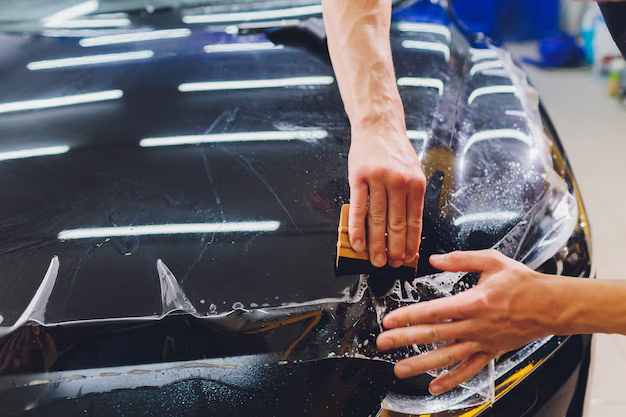
Key Characteristics of TPH PPFs:
- Enhanced Durability: TPH films typically incorporate additional polymers or modified TPU formulations that provide greater resistance to tearing and punctures.
- Superior Self-Healing: The hybrid composition allows for more effective and faster self-healing properties, often repairing light scratches at lower temperatures than traditional TPU requires.
- Improved Optical Clarity: TPH formulations generally offer better long-term clarity with reduced risk of yellowing or hazing over time, a significant advantage for preserving your car’s appearance.
- Better Chemical Resistance: The hybrid composition creates superior resistance to contaminants like tree sap, bird droppings and industrial fallout common in urban Indian environments.
- Advanced Hydrophobicity: Many TPH films feature enhanced water-repellent properties, causing water to bead and roll off more effectively. This reduces water spotting and makes cleaning easier.
- Moderate Thickness: Typically offered up to 165 microns, providing a good balance between protection and flexibility.
TPH PPFs are generally chosen by budget-conscious car owners looking for basic protection without significant investment. While they offer an improvement over no protection at all, their limitations become evident, particularly in India’s challenging environment of intense UV exposure, monsoon humidity and dusty conditions.
For those seeking quality protection on a budget, TPH may be suitable for less vulnerable areas of the vehicle or as a temporary solution. However, for truly valuable cars or long-term protection, more advanced options deliver significantly better results and value.
TPU Paint Protection Films: The Industry Standard
Thermoplastic Polyurethane (TPU) has long been the foundation of the PPF industry and for good reason. This versatile polymer combines flexibility with durability, making it suitable for application on complex vehicle contours.
Key Characteristics of TPU PPFs:
- Elasticity and Memory: TPU films can stretch during installation to conform to curved surfaces, then return to their original shape. This “memory” also contributes to their self-healing properties, when heat is applied, minor scratches disappear as the material flows back into place.
- Self-Healing Capabilities: When exposed to heat (from the sun or warm water), TPU reorganises its molecular structure to eliminate light scratches and swirl marks. This self-healing feature keeps the film looking pristine with minimal maintenance.
- Chemical Resistance: TPU offers good protection against common contaminants like fuel, oil, bug splatter and bird droppings. Its chemistry prevents these substances from bonding permanently to the surface.
- UV Stability: Quality TPU films contain UV inhibitors that prevent yellowing and degradation from sun exposure, crucial for India’s intense sunlight and extreme temperatures that range from scorching summers to cooler winters in many regions.
- Moderate Impact Resistance: While TPU absorbs and distributes impact from small stones and debris, it provides moderate protection compared to newer technologies.
- Thickness Options: Typically available in 6-8 mil (150-200 microns) thickness ranges.
For most luxury and premium vehicles in Indian conditions, TPU is the smart choice, balancing outstanding protection with reasonable cost. Its superior hydrophobic properties also make it easier to maintain, with water and contaminants beading up and washing away more effectively than with TPH films
Polycarbonate PPFs
Polycarbonate combined with TPU represents the absolute pinnacle of car paint protection technology. This advanced hybrid material harnesses the strengths of both materials to create an unparalleled defence system for your vehicle’s finish. Originally developed for high-impact applications, this technology brings unprecedented strength and optical properties to vehicle protection.
Key Characteristics of Polycarbonate + TPU PPFs:
- Revolutionary Dual-Material Construction: Unlike single-material TPH or standard TPU films, these premium PPFs feature a polycarbonate layer bonded with high-grade TPU, combining the extraordinary impact resistance of polycarbonate with the flexibility and self-healing properties of TPU.
- Unmatched Impact Resistance: Polycarbonate + TPU offers the highest level of protection against stone chips, road debris and physical impacts, up to 30% stronger than comparable TPU films and dramatically more protective than basic TPH options. This makes it the only choice for truly valuable vehicles.
- Exceptional Optical Clarity: The molecular structure of polycarbonate allows for extraordinary transparency unmatched by TPH or standard TPU, ensuring your car’s paint colour and finish show through with crystal clarity that maintains its appearance for years longer than other options.
- Superior Thermal Stability: This advanced combination maintains its structural integrity across extreme temperature ranges, making it ideal for India’s diverse climate conditions, from the scorching heat of Rajasthan to the cooler highlands, conditions that can accelerate the degradation of lesser films.
- Maximum UV Protection: Advanced UV inhibitors in the polycarbonate layer prevent both the film and underlying paint from degradation caused by India’s intense sun exposure, maintaining clarity where TPH would yellow and deteriorate.
- Ultimate Chemical Resistance: The polycarbonate + TPU combination offers superior protection against harsh chemicals, including industrial fallout common near manufacturing centres and coastal salt exposure in cities like Chennai and Mumbai, preserving your vehicle’s finish where other films would fail.
- Premium Thickness: Typically available in 8-10 mil (200-250 microns) thickness, with speciality applications reaching up to 16 mil (400 microns) for maximum protection—substantially thicker and more protective than TPH or standard TPU options.
- Extended Longevity: With proper care, Polycarbonate + TPU PPFs can maintain their protective properties for 10+ years, often coming with extended or lifetime warranties that TPH manufacturers simply cannot offer.
For luxury car owners in harsh Indian conditions, the superior protection, extended longevity and unmatched clarity make Polycarbonate + TPU paint protection film the clear choice for those who demand the absolute best.
Head-to-Head Comparison: TPH vs TPU vs Polycarbonate + TPU
To help you make an informed decision, let’s compare these PPF technologies across key performance metrics:
| Feature | TPH | TPU | Polycarbonate + TPU |
|---|---|---|---|
Impact Resistance | Basic | Very Good | Excellent |
Self-Healing | Limited to None | Very Good (works with heat) | Excellent (works at lower temps) |
Optical Clarity | Basic | Very Good | Excellent |
UV Resistance | Fair (3-5 years) | Very Good (5-7 years) | Excellent (10+ years) |
Chemical Resistance | Basic | Very Good | Excellent |
Hydrophobic Properties | Minimal | Very Good | Excellent (140°+ water contact angle) |
Ease of Installation | Challenging (less flexible) | Easiest (highly flexible) | Moderate (requires expertise) |
Thickness Options | 4-6 mil (100-150μm) | 6-8 mil (150-200μm) | 8-16 mil (200-400μm) |
Typical Warranty | 2-5 years | 5-7 years | 10 years to Lifetime |
Relative Cost | ₹₹ | ₹₹₹ | ₹₹₹₹ |
Installation Considerations for Different PPF Types
The installation process significantly affects PPF on car performance, regardless of material type. Here’s what to expect with each:
TPH Installation
- Limited flexibility makes conforming to complex curves difficult
- Prone to stress marks and whitening when stretched too much
- Greater risk of improper adhesion around contours
- May require excessive cutting and seams to accommodate limited stretch
- Typically requires 24-48 hours for complete curing
- Higher risk of installation defects due to material limitations
TPU Installation
- Most forgiving during installation due to high elasticity (up to 300% more stretch than TPH)
- Easier to work around complex curves and recessed areas
- Can be stretched significantly without compromising integrity
- Less likely to create fingerprints or installation marks
- Typically requires 24-48 hours for complete curing
- Allows for more seamless coverage with fewer cut lines
Polycarbonate + TPU Installation
- Specialised material requiring expert handling techniques
- Combining polycarbonate’s strength with some of TPU’s application benefits
- Requires precise heat management during application
- Longer curing time (72+ hours recommended) for optimal bonding
- Less forgiving of installation errors, but provides superior results
- Demands certified technician installation for warranty validation
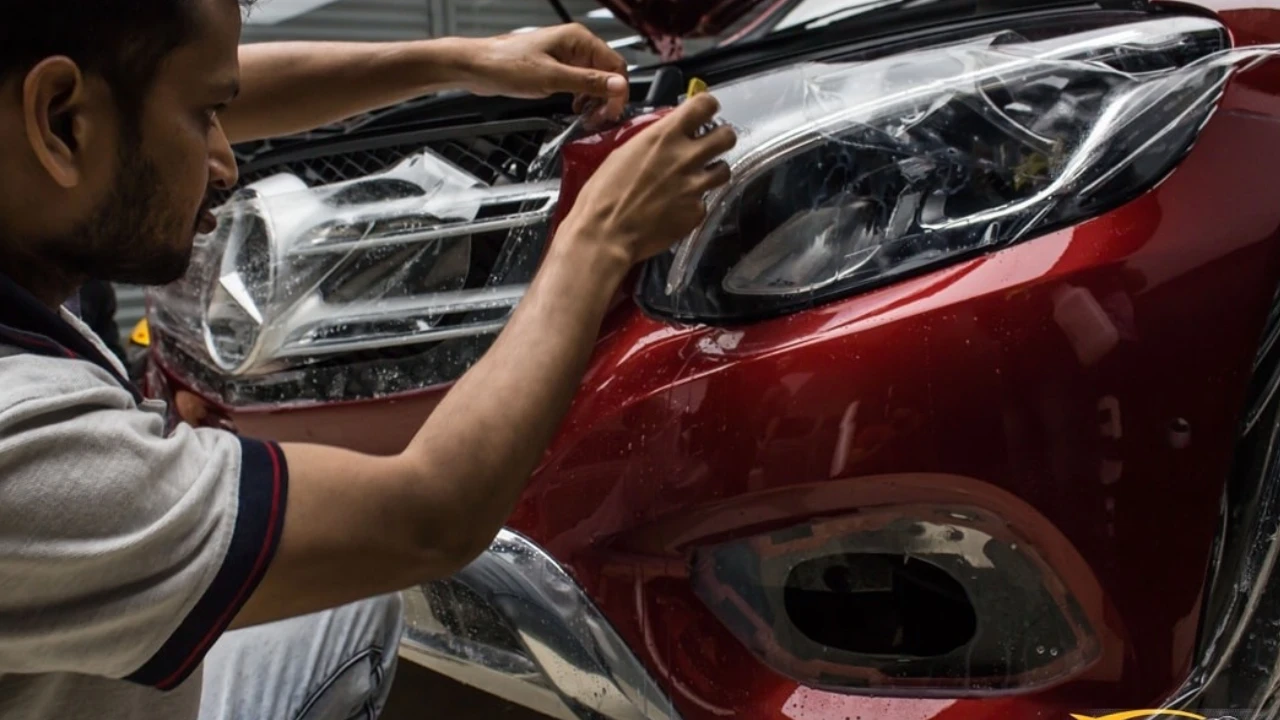
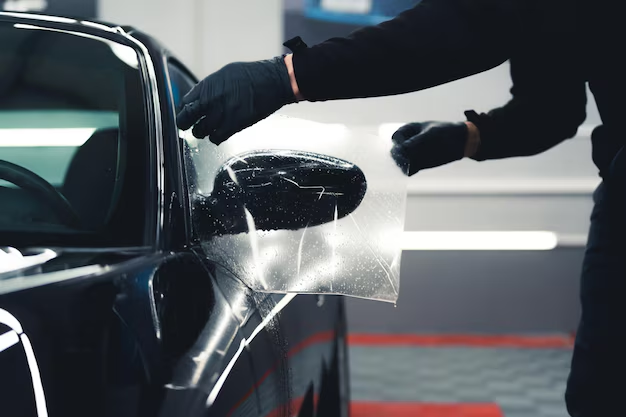
Regardless of film type, professional installation by expert detailers is crucial. Even the highest quality paint protection film will underperform if improperly installed. Our detailers undergo specialised training for each PPF technology, ensuring optimal results regardless of your choice.
Cost Analysis: Investment vs. Protection Level
PPF represents a significant investment in your vehicle’s appearance and value. Understanding the cost-benefit equation helps make an informed decision:
TPU Cost Considerations
- Entry-level option: ₹80,000-₹1,00,000 for full-body coverage
- Best value for 5-10 year ownership periods
- Good protection-to-cost ratio for daily drivers
- May require replacement sooner in harsh conditions
TPH Cost Considerations
- Mid-tier pricing: ₹50,000-₹65,000 for full-body coverage
- Excellent value for 3-5 year ownership periods
- Balanced protection for premium vehicles
- Better long-term value in challenging environments
Polycarbonate Cost Considerations
- Premium investment: ₹1,60,000-₹2,80,000+ for full-body coverage
- Optimal for long-term ownership (10+ years)
- Superior protection for luxury and high-value vehicles
- Best resale value preservation
When evaluating costs, consider partial coverage options. Many owners opt to protect high-impact areas (front bumper, hood, mirrors, door edges) with premium films while using more economical options for less vulnerable surfaces.
Remember that PPF is an investment that preserves your vehicle’s value. A well-protected car can command significantly higher resale prices, often recouping much of the initial PPF investment.
Maintenance Requirements by PPF Type
Proper maintenance ensures maximum longevity regardless of PPF type:
TPU Maintenance
- Gentle washing with pH-neutral car soap
- Avoid washing for 7 days after installation
- May require occasional heat application to activate self-healing
- Avoid harsh chemicals and abrasive cleaners
- Annual inspection recommended
TPH Maintenance
- Similar to TPU with slightly more resilience to cleaning products
- Enhanced self-healing often requires less heat intervention
- Superior hydrophobic properties make cleaning easier
- Semi-annual professional inspection recommended
Polycarbonate Maintenance
- Most resilient to cleaning products (though harsh chemicals should still be avoided)
- Exceptional hydrophobic properties minimise contaminant adhesion
- Self-healing may require specific temperature ranges
- Superior scratch resistance means less maintenance overall
- Annual professional inspection is still recommended
All PPF types benefit from proper care techniques:
- Hand-washing rather than automatic car washes
- Safe distance when using pressure washers
- Prompt removal of biological contaminants (bird droppings, tree sap)
- Regular inspection for edge lifting or damage
Choosing the Right PPF for Indian Conditions
India presents unique challenges for automotive finishes:
- Extreme temperature variations
- Intense UV exposure
- Monsoon humidity and flooding
- Dusty conditions in many regions
- Urban pollution and industrial fallout
- Challenging road conditions with debris
Based on these factors, here are our recommendations:
For Metropolitan Driving (Delhi, Mumbai, Bangalore):
- TPH or Polycarbonate is recommended for superior chemical resistance against urban pollution
- Focus protection on front-facing surfaces and high-touch areas
- Consider traffic patterns and parking conditions in your specific locality

For Coastal Areas (Mumbai, Chennai, Goa):
- Polycarbonate is highly recommended for salt-air resistance
- Enhanced UV protection is crucial for intense sun exposure
- Consider full-body coverage due to the salt spray reach
For Semi-Rural and Highway Driving:
- TPU or TPH is suitable for most applications
- Front-end protection is critical due to higher speeds and debris
- Consider road construction quality in your regular routes
For Off-Road and Adventure Use:
- Polycarbonate is strongly recommended for maximum impact protection
- Consider specialised ultra-thick films for extreme conditions
- Full front-end coverage is essential at a minimum
Conclusion
Your car represents both a significant financial investment and a reflection of your personal style. The right Paint Protection Film ensures it stays looking its best while maintaining its value, regardless of what Indian roads throw at it.
Polycarbonate TPU films deliver ultimate protection for luxury vehicles and long-term ownership, with unmatched clarity, impact resistance and durability. While commanding a premium price, they offer incomparable protection and potentially the best long-term value through extended service life and superior paint preservation.
For personalised advice on selecting the right PPF coating for your specific vehicle and driving conditions, schedule a consultation with our car paint protection experts at CarzSpa today.
Frequently Asked Questions
1.Can I install different PPF types on different parts of my car?
Yes, many owners choose premium polycarbonate for high-impact areas (bumper, hood, fenders) and TPU or TPH for less vulnerable surfaces to optimise protection and cost.
2.How do I know if a PPF is genuinely polycarbonate-based?
Legitimate polycarbonate PPFs come with certification and warranty documentation. At CarzSpa, we provide full material verification for all our premium films.
3.Will PPF affect my car’s appearance?
Quality films from all three categories are virtually invisible when properly installed. Polycarbonate offers the highest optical clarity, while all films can enhance your paint’s depth and gloss.
4.Can PPF be removed without damaging my paint?
Yes, professionals can safely remove all types of PPF without damaging factory paint. Removal complexity increases slightly from TPU to polycarbonate.
5.How long after purchasing a new car should I apply PPF?
Ideally, PPF should be applied as soon as possible after purchase, before your car is exposed to environmental damage. Factory paint should cure for at least two weeks before PPF application.
Share: