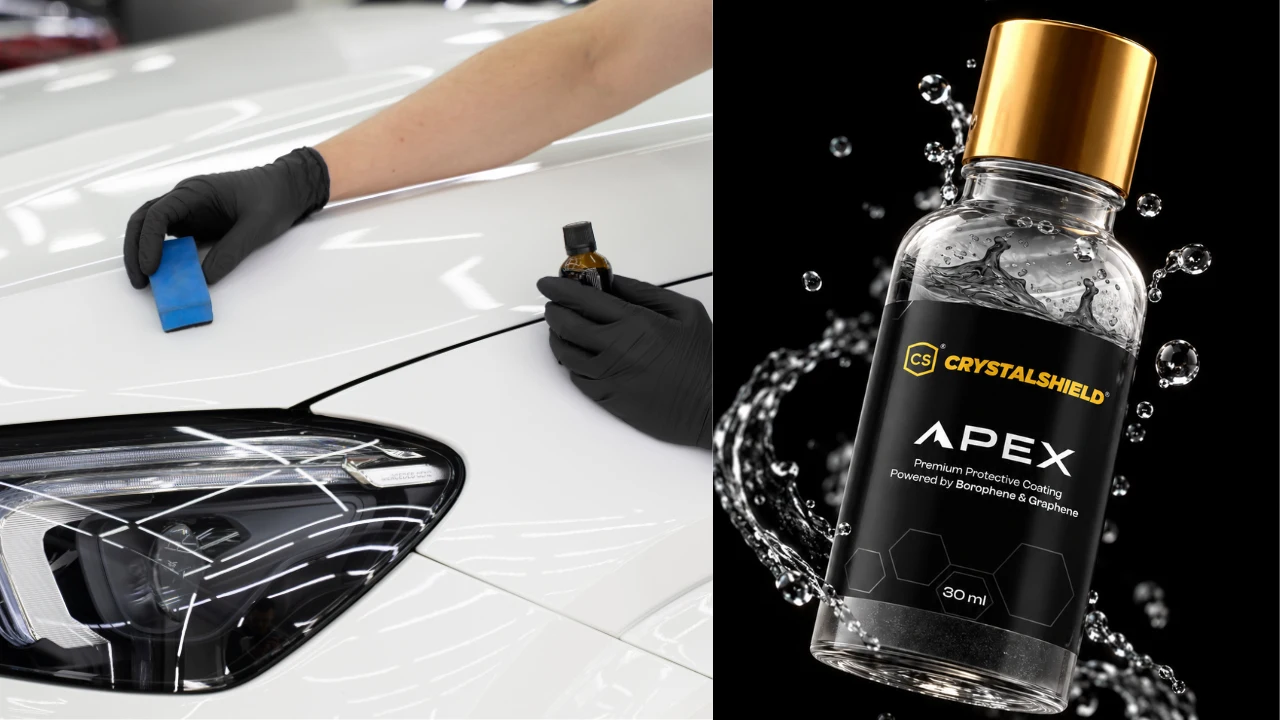
Your car’s paint does more than give it its colour and shine. It is the first line of defence against UV exposure, heat, dust, pollution, water spots, bird droppings and the everyday contaminants encountered on Indian roads. Over time, these factors can affect the finish and leave the paint looking dull, scratched or heavily swirled.
This is where car ceramic coating technology has transformed modern car paint protection.
Ceramic coatings create a durable protective layer over the vehicle’s paint, helping improve gloss, water repellency and resistance to environmental contaminants. The technology has continued to evolve, with graphene emerging as an advanced addition to ceramic formulations.
Now, another material is entering the conversation: Borophene.
By combining the surface benefits associated with Graphene with the high heat-resistance properties of Borophene, a new generation of ceramic coatings is being developed to offer more comprehensive protection.
At the forefront of this evolution is Apex, the newest innovation from CrystalShield Ceramic Coatings, developed to take automotive paint protection further.
Table of contents
- How Has Car Ceramic Coating Evolved?
- What Is Borophene?
- Why Combine Borophene and Graphene?
- What Makes Borophene + Graphene Coating Different?
- Borophene Coating vs Graphene Coating vs Ceramic Coating
- Is Borophene Coating the Same as Paint Protection Film?
- Introducing Apex by CrystalShield
- Why Choose Apex for Your Car?
- Conclusion
- Frequently Asked Questions
How Has Car Ceramic Coating Evolved?
The pursuit of better paint protection has always been about creating a stronger and more durable barrier between a vehicle’s paint and the outside world.
Traditional waxes and sealants provide a layer of protection and enhance gloss, but their durability is relatively limited. Ceramic coatings introduced a more durable solution by creating a chemically resistant protective layer over the paint.
The next evolution brought nanomaterials such as Graphene into the formulation.
A graphene coating can enhance properties such as surface smoothness and water repellency while contributing to the overall performance of the coating. However, modern vehicle owners are looking for more than just gloss and hydrophobicity. They want protection that can withstand the demanding conditions their cars experience every day.
This is where the combination of Graphene and Borophene becomes particularly interesting.
What Is Borophene?
Borophene is an advanced two-dimensional material made from boron atoms. Like Graphene, which consists of carbon atoms arranged in an ultra-thin structure, Borophene has attracted significant interest for its unique material properties.
One of the properties that makes Borophene particularly interesting for coating technology is its ability to withstand extremely high temperatures.
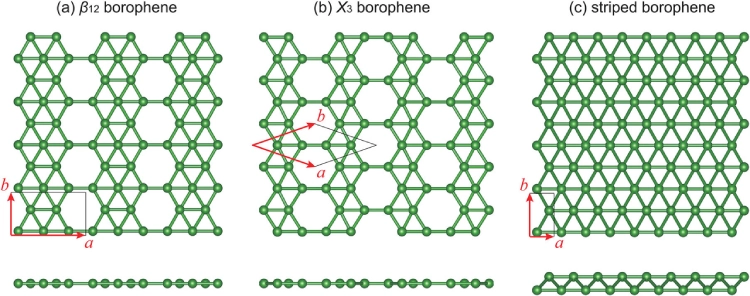
When incorporated into an appropriately engineered coating formulation, Borophene technology can contribute to enhanced heat resistance while adding another dimension to the protective layer.
For automotive applications, this can be particularly relevant because a vehicle’s exterior is regularly exposed to heat—from direct sunlight and hot road surfaces to the heat generated around the bonnet and other areas of the vehicle.
Why Combine Borophene and Graphene?
Graphene and Borophene bring different characteristics to the coating technology.
Graphene contributes to a smooth, water-repellent surface, helping water bead and roll off more easily while enhancing the overall finish.
Borophene, meanwhile, adds another layer of protection with its high heat-resistance properties.
When these technologies are incorporated into a ceramic coating, the objective is to create a more comprehensive protective system rather than relying on a single material.
Think of it as bringing together different strengths:
Graphene → Smoothness + Water Repellency
Borophene → High Heat Resistance + Additional Protection
Ceramic Coating → Durable Protective Layer
Together, these technologies can form an advanced coating system designed to protect the vehicle’s paint against some of the most common challenges it faces.
What Makes Borophene + Graphene Coating Different?
A major advantage of this technology is that it approaches paint protection from multiple angles.
1. Enhanced Scratch and Swirl Protection
Fine scratches and swirl marks are among the most common concerns for car owners, particularly when vehicles are frequently washed or exposed to abrasive contaminants.
The harder and thicker protective layer created by an advanced coating can help reduce the impact of everyday surface abrasion and maintain the appearance of the paint for longer.
Borophene Graphene Coating is engineered with a 10H+ pencil hardness, providing a highly hard protective surface designed to enhance resistance against everyday scratches and swirl marks.
It is important to remember, however, that hardness does not make a vehicle completely scratch-proof. Severe impacts, sharp objects and physical damage can still reach the paint.
2. High Heat Resistance
Heat is an often-overlooked factor in automotive paint protection.
Vehicles parked outdoors can experience intense surface temperatures, particularly during India’s hot summers. Prolonged exposure to heat and UV radiation can contribute to paint degradation over time.
This new formulation incorporates Borophene technology with a heat-resistance threshold of up to 700°C, giving the coating an important advantage in high-temperature conditions.
This high heat-resistance capability adds another dimension to the protection offered by the coating.
3. A Thicker Protective Layer
The effectiveness of a coating is not determined by thickness alone, but the protective layer itself plays an important role in creating a barrier between the vehicle’s paint and the external environment.
Borophene + graphene ceramic coating is engineered for a thicker protective layer, adding to its overall protective architecture.
This additional layer works alongside the coating’s hardness and material technology to provide enhanced surface protection.
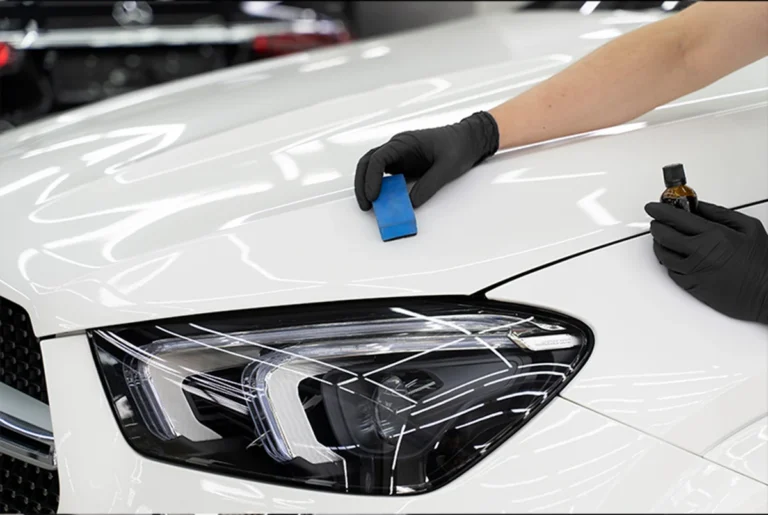
4. Water-Repellent Surface
One of the most recognisable benefits of Graphene-enhanced coating technology is its water-repellent surface.
Rather than spreading across the paint, water forms droplets and rolls away more easily. This hydrophobic behaviour can make routine cleaning and maintenance more convenient while helping reduce the time contaminants remain in direct contact with the paint.
5. Smooth, High-Gloss Finish
Paint protection should not come at the expense of appearance.
Graphene technology contributes to the smooth surface characteristics of the coating, helping maintain the depth, clarity and gloss of the vehicle’s finish.
The result is a surface that not only provides protection but also helps the vehicle look freshly detailed for longer.
6. Long-Lasting Protection
An advanced coating should offer protection beyond the short-term benefits of a freshly detailed vehicle.
Borophene coatings have an expected coating life of up to 7 years, subject to factors such as application, maintenance, environmental exposure and vehicle usage.
This makes it a long-term paint protection solution for owners who want to preserve their vehicle’s finish without repeatedly applying temporary protection products.
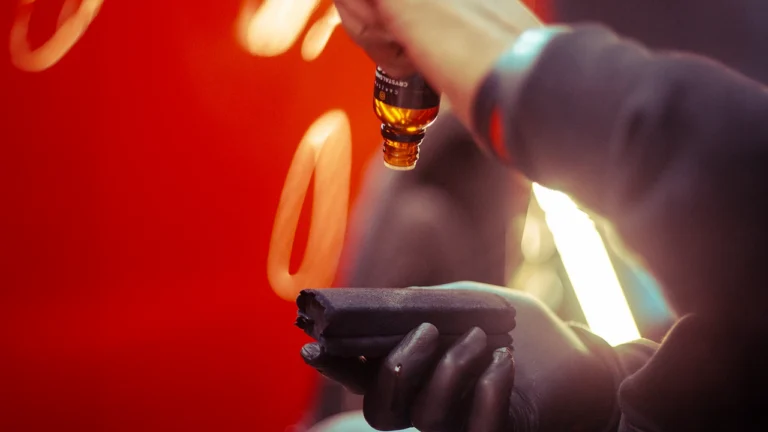
Borophene Coating vs Graphene Coating vs Ceramic Coating
With several types of coating now available, choosing the right technology can be confusing.
| Feature | Ceramic Coating | Graphene Coating | Borophene + Graphene Coating |
|---|---|---|---|
| Protective layer | ✓ | ✓ | ✓ |
| Gloss enhancement | ✓ | ✓ | ✓ |
| Water repellency | ✓ | Enhanced | Enhanced |
| Smooth surface | ✓ | Enhanced | Enhanced |
| Scratch & swirl protection | ✓ | Enhanced | Enhanced |
| Heat resistance | ✓ | ✓ | Enhanced |
| Advanced nanomaterial technology | — | ✓ | ✓ |
| Pencil hardness | Varies by product | Varies by product | 10H+ |
| Expected life | Varies | Varies | Up to 7 years |
While conventional ceramic and graphene coatings continue to be effective solutions, Borophene + Graphene technology represents an attempt to bring additional heat resistance and surface protection into the coating system.
Is Borophene Coating the Same as Paint Protection Film?
No.
A Borophene or Graphene-infused ceramic coating and Paint Protection Film (PPF) serve different purposes.
A ceramic coating creates a protective layer over the paint, helping with gloss, water repellency, chemical resistance, environmental contaminants and surface protection.
PPF is a physical film designed to absorb impacts from road debris, stone chips and other sources of physical damage.
Therefore, a coating can never be the replacement for PPF where impact protection is the priority.
For many premium vehicles, combining car ceramic coating application with PPF on high-impact areas can provide a more comprehensive paint protection strategy.
Introducing Apex by CrystalShield
The evolution of ceramic coating technology has always been about finding better ways to protect what matters.
With this philosophy in mind, CrystalShield Ceramic Coatings introduces Apex, its newest and most advanced coating technology yet.
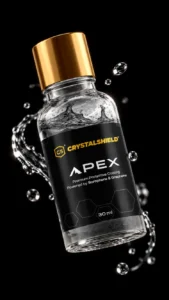
Apex combines Borophene + Graphene technology with an advanced ceramic coating system to create a thicker, harder protective layer designed for enhanced scratch, swirl and heat protection.
Its key technologies work together to deliver:
- 10H+ pencil hardness
- Up to 700°C heat-resistance threshold
- Up to 7 years of expected coating life
- Thicker protective layer
- Enhanced scratch and swirl protection
- Water-repellent surface
- Smooth, high-gloss finish
- Advanced paint protection technology
The idea is simple: rather than focusing on just one aspect of paint protection, Apex brings together multiple technologies to create a more comprehensive protective coating.
Why Choose Apex for Your Car?
Every vehicle is an investment, and its exterior is constantly exposed to conditions that can compromise its appearance.
For owners looking for long-term protection combined with a premium finish, Apex offers a next-generation approach to car paint protection.
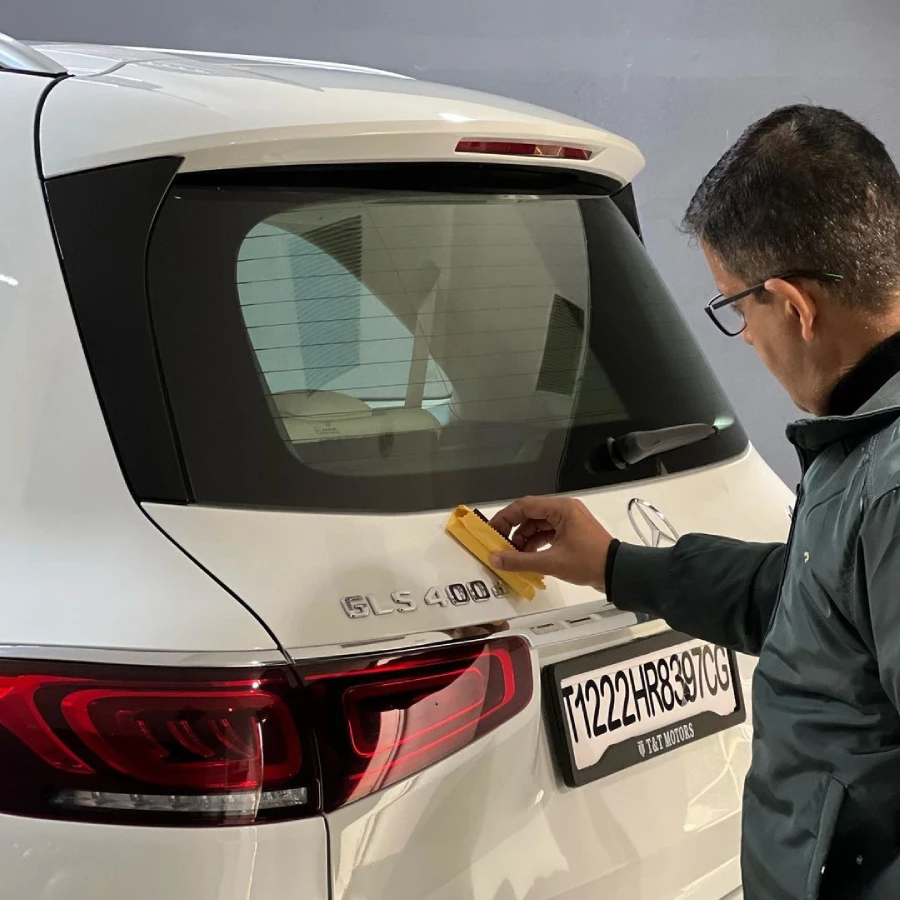
Its combination of high hardness, enhanced heat resistance, water repellency and long expected life makes it particularly suited to vehicle owners who want to preserve their car’s finish while reducing the effort required to maintain it.
And because the quality of a coating depends not only on the formulation but also on its application, choosing an experienced professional detailing studio is equally important.
At CarzSpa Detailing Studios, Apex can be professionally applied as part of a comprehensive vehicle detailing and paint protection experience.
Conclusion
Car paint protection has come a long way—from traditional waxes and sealants to ceramic coatings and advanced graphene-based formulations.
The introduction of Borophene technology represents another step in that evolution.
By bringing together the smooth, water-repellent characteristics associated with Graphene and the high heat-resistance capabilities of Borophene, Apex is designed to provide a thicker, harder and more comprehensive protective layer.
With 10H+ hardness, up to 700°C heat resistance and up to 7 years of expected coating life, Apex represents the newest addition to the CrystalShield range—and a new direction for advanced automotive paint protection.
Frequently Asked Questions
1. What is Borophene coating?
Borophene coating refers to an advanced coating formulation incorporating Borophene or boron-based nanotechnology. In automotive applications, it is designed to enhance properties such as heat resistance and surface protection when incorporated into a ceramic coating system.
2. Is Borophene coating better than Graphene coating?
Borophene and Graphene offer different material characteristics. Apex combines both technologies, with Graphene contributing to water repellency and surface smoothness while Borophene technology adds enhanced heat-resistance properties.
3. How long does Apex coating last?
Apex has an expected coating life of up to 7 years. Actual longevity depends on factors such as application quality, maintenance, environmental exposure and vehicle usage.
4. Is Apex scratch-proof?
No coating can make automotive paint completely scratch-proof. Apex’s 10H+ pencil hardness and thicker protective layer are designed to provide enhanced resistance against everyday scratches and swirl marks.
5. Can Apex replace PPF?
No. Apex and PPF serve different purposes. Apex provides a durable protective coating over the paint, while PPF is a physical film designed primarily to protect against impact damage such as stone chips.
Share: