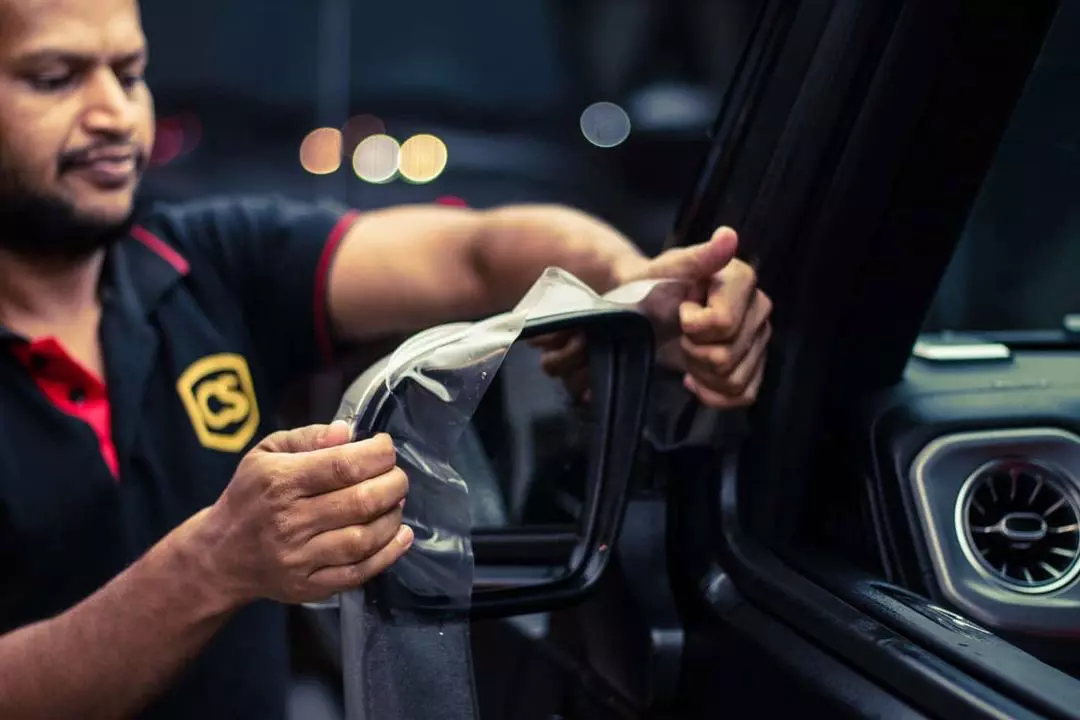
Rust is a problem car owners often notice too late. A small spot near a wheel arch, bubbling paint or underbody corrosion may seem harmless at first, but once rust spreads through exposed metal, repairs become expensive.
For Indian car owners, rust prevention is crucial. Monsoon rains, standing water, coastal humidity, intense heat and trapped mud keep vehicles constantly exposed to moisture, while chipped paint accelerates the damage.
So, which protection does your car actually need?
Quick Answer: Preventing car rust in India requires matching the treatment to the specific area. Anti-Rust Coating shields the underbody and wheel arches to block moisture, mud and salt air from causing structural corrosion. PPF coating provides a physical barrier against rock chips and scratches that expose bare metal, while ceramic coating repels water and guards paint against chemical damage, such as bird droppings.
This guide explores how rust forms, where it starts and how to choose the right protection for your car.
Table of contents
- What Causes Rust on Cars?
- Why Indian Roads Increase the Risk of Car Rust
- Which Parts of Your Car Are Most Vulnerable?
- How Does Anti-Rust Coating Help?
- Can PPF and Ceramic Coating Prevent Rust?
- PPF vs Ceramic Coating vs Anti-Rust Coating
- How to Prevent Rust on Your Car: A Practical Maintenance Guide
- Common Rust Prevention Mistakes to Avoid
- Why Choose CarzSpa for Complete Car Protection?
- Conclusion
- Frequently Asked Questions
What Causes Rust on Cars?
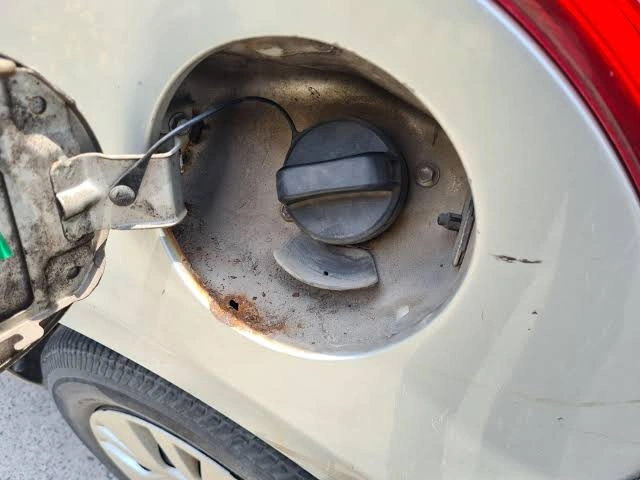
Rust occurs when iron or steel comes into contact with moisture and oxygen, triggering corrosion. While modern cars have multiple protective layers, scratches, stone chips and damaged coatings can expose the metal underneath, allowing rust to develop over time.
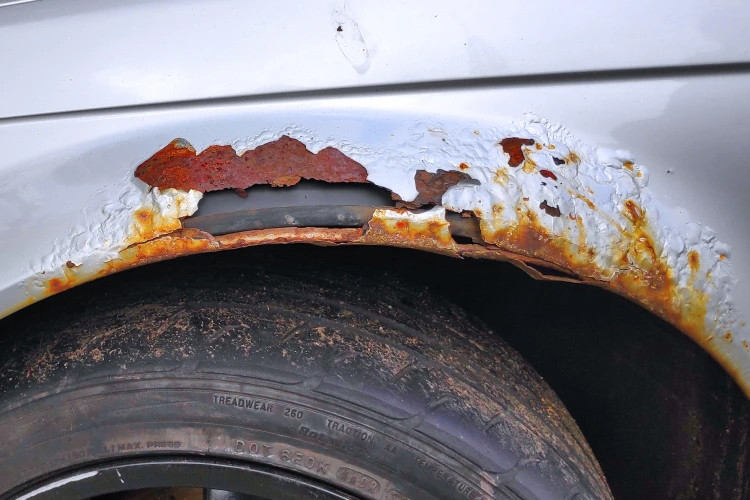
Your car’s paint, primer and protective layers act as a barrier against moisture and environmental contaminants. Once this barrier is compromised, corrosion can begin. The risk isn’t limited to visible body panels either. Mud, water, gravel and road debris can accumulate underneath the vehicle, while moisture can collect around wheel arches, seams and drainage channels.
This is why effective rust prevention requires more than simply protecting the exterior. Regular cleaning, prompt repair of paint damage, underbody maintenance and professional corrosion-protection treatments where required can help prevent minor issues from becoming expensive repairs.
Why Indian Roads Increase the Risk of Car Rust
India’s diverse climate and road conditions expose vehicles to several factors that accelerate corrosion. From heavy monsoons to coastal humidity, your car faces prolonged exposure to moisture, mud and contaminants.
- Monsoon & Waterlogging: Heavy rain, puddles and flooded roads repeatedly submerge the underbody in water, while trapped mud retains moisture directly against metal surfaces long after the rain stops.
- Coastal Humidity & Salt Residue: Salt-laden air and saline moisture in coastal regions leave corrosive salt deposits on exposed parts, drastically speeding up oxidation, especially when parked outdoors.
- Road Debris: Loose gravel, stones and construction debris chip away clear coat and protective layers, exposing bare metal underneath.
- Urban Driving: Congested traffic and tight parking spaces increase minor scratches and abrasions that compromise your car’s factory paint.
- Delayed Cleaning: Leaving dried mud, road grime and contaminants on the car traps dampness against vulnerable surfaces, giving rust a head start.
This is where car paint protection becomes part of a larger maintenance strategy. PPF can help protect exposed paint, while underbody protection and regular cleaning address areas exterior treatments cannot.
Ultimately, rust prevention should be a year-round priority, not just a monsoon concern. Proactive maintenance can help keep corrosion from becoming an expensive repair.
Which Parts of Your Car Are Most Vulnerable?
Rust doesn’t necessarily begin in the most obvious places. Some of the most vulnerable areas are located underneath or around components where moisture and dirt can accumulate.
- Underbody: The underside of your car faces constant exposure to water, mud, gravel and road contaminants. It is also difficult to inspect regularly, making early corrosion easy to miss.
- Wheel Arches: Mud, water and road debris frequently accumulate around wheel arches. Damaged paint or protective layers in these areas can expose metal to moisture.
- Door Edges and Seams: Small chips and scratches around doors, boot lids and panel seams can become potential entry points for moisture.
- Bonnet and Front Bumper: These areas experience frequent stone and debris impacts. While the bumper may not always contain exposed steel, chips on painted metal panels can become corrosion points.
- Exhaust and Metal Components: Certain components underneath the car naturally experience heat, moisture and environmental exposure. Surface corrosion may occur without necessarily indicating structural damage, but it should still be monitored.
- Drainage Areas: Blocked or poorly maintained drainage channels can allow water to remain trapped inside parts of the vehicle.
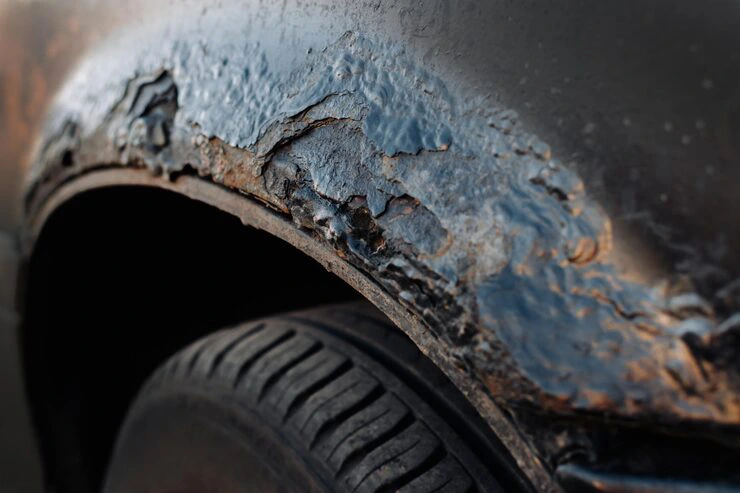
This is why simply looking at your car’s exterior and assuming everything is fine isn’t enough. A proper inspection should consider both visible body panels and less accessible areas.
How Does Anti-Rust Coating Help?
An anti-rust coating adds a protective barrier to vulnerable areas of your vehicle, particularly surfaces exposed to moisture, mud and road contaminants. It is commonly applied to the underbody, wheel arches and other suitable metal components to help reduce direct exposure to moisture and slow corrosion.
What Are the Different Types of Anti-Rust Coatings?
- Rubberised Underbody Coating: The most popular choice for Indian road conditions. It cures into a flexible, durable rubber shell that absorbs stone-chip impacts and provides excellent sound dampening to reduce cabin road noise.
- Wax/Resin-Based Coating: A lighter, self-healing formula that deeply penetrates tight seams, crevices and panel joins. It displaces moisture and is ideal for humid or coastal regions.
- Bitumen/Asphalt-Based Coating: A heavy-duty, tar-like layer engineered for extreme water repellency and rough terrain, though it is less flexible than rubberised variants over long periods.
How Much Does Anti-Rust Coating Cost in India?
- Hatchbacks & Small Sedans: ₹2,000 – ₹3,500
- Mid-size Sedans & Compact SUVs: ₹3,000 – ₹5,000
- Full-size SUVs & Luxury Vehicles: ₹4,500 – ₹7,000+
Note: Reputable professional detailing studios usually bundle anti-rust treatments with 2-to-5-year warranties, which include complimentary annual touch-ups and underbody inspections.
Can PPF and Ceramic Coating Prevent Rust?
PPF and Rust Prevention
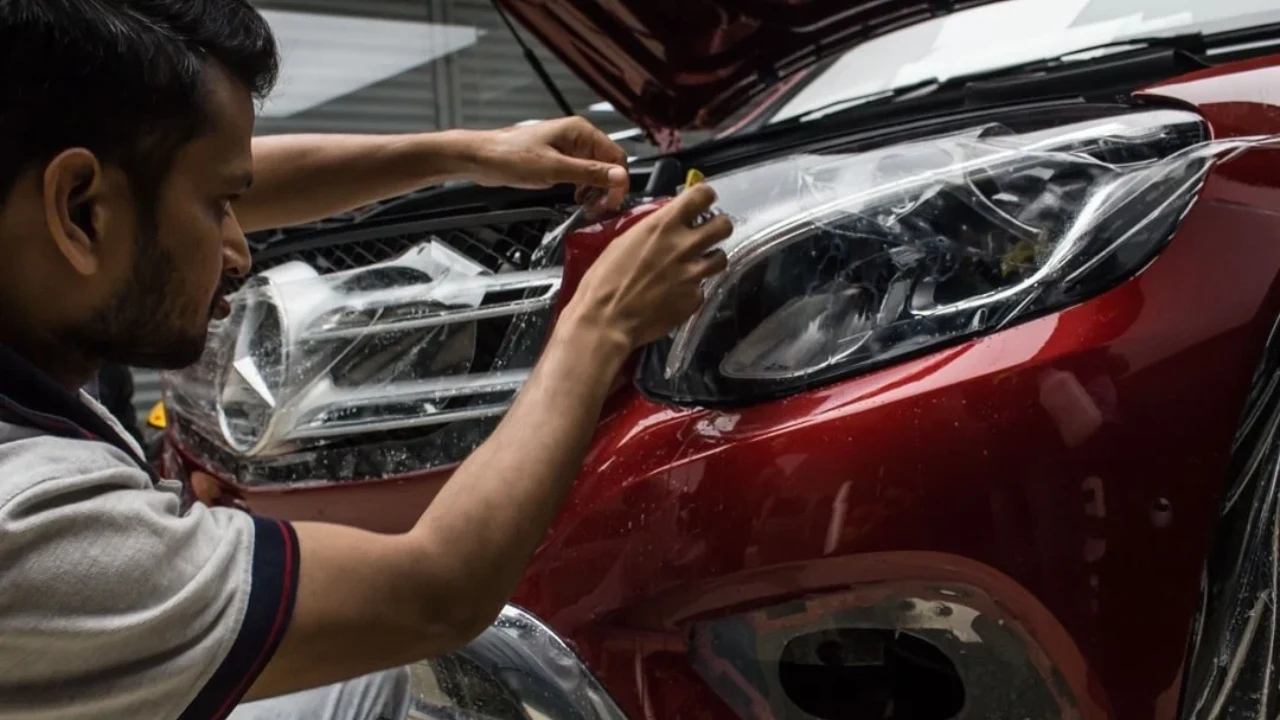
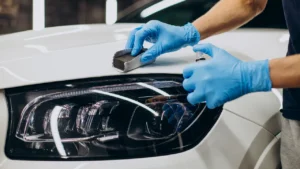
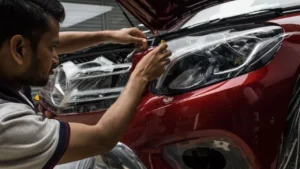
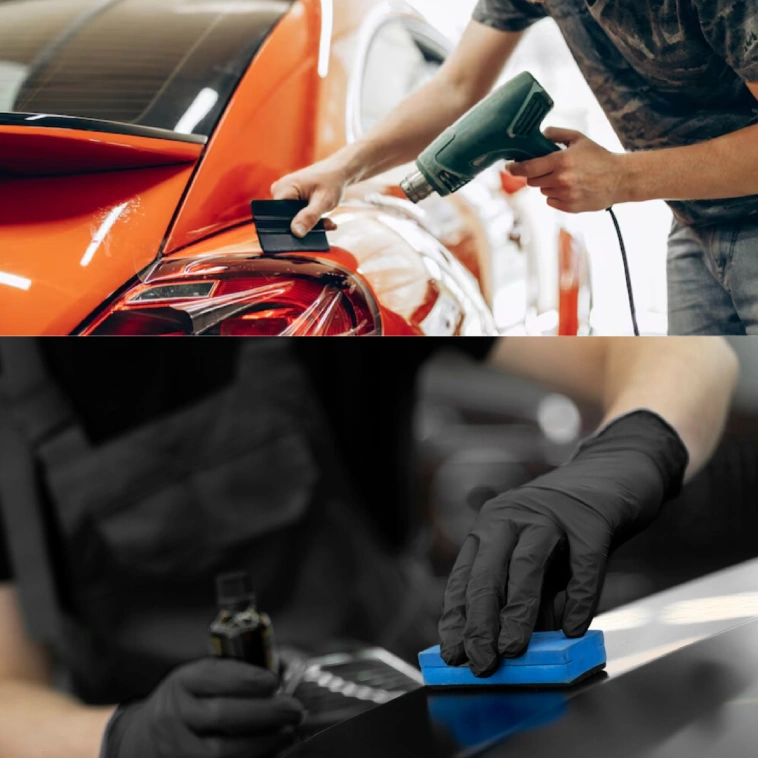
A quality PPF coating creates a physical barrier over painted surfaces, helping protect against stone chips, scratches and road debris. By reducing damage to the paint, a professionally installed PPF car application can indirectly help prevent moisture from reaching vulnerable areas. However, PPF does not protect the entire underbody or internal metal components.
Ceramic Coating and Rust Prevention
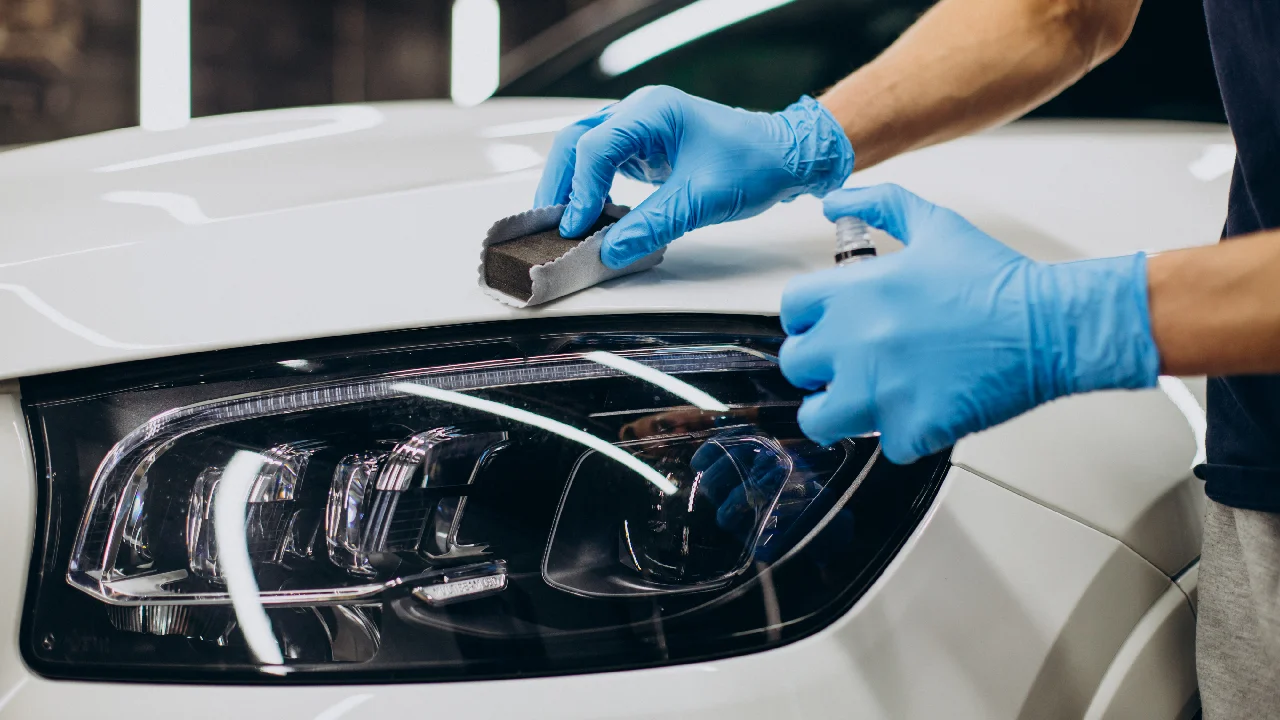
A car ceramic coating bonds to the paint surface, offering hydrophobicity, chemical resistance and easier maintenance. This makes ceramic coating for cars useful for keeping water, dirt and contaminants from remaining on painted surfaces for long periods. However, it isn’t designed to prevent underbody corrosion.
PPF vs Ceramic Coating vs Anti-Rust Coating
| Protection Type | Primary Purpose | Best For | Rust Protection |
|---|---|---|---|
| PPF | Physical paint protection | Stone chips, scratches, road debris | YES |
| Ceramic coating | Surface protection | UV, contaminants, water repellency, gloss | YES |
| Anti-rust coating | Corrosion protection | Underbody and vulnerable metal areas | YES |
| Regular maintenance | Preventing contamination/moisture buildup | Entire vehicle | YES |
In other words, there isn’t necessarily one winner. A complete car-care approach needs to look beyond what is visible.
How to Prevent Rust on Your Car: A Practical Maintenance Guide
Good rust prevention begins with simple habits. You don’t necessarily need an elaborate routine, but consistency matters.
- Wash the Car Regularly: Don’t allow mud, road grime or contaminants to remain on the vehicle for long periods. Pay particular attention to the wheel arches and lower body.
- Clean the Underbody: After driving through heavy rain, flooded roads or muddy areas, underbody cleaning can help remove contaminants that may otherwise remain trapped.
- Inspect Paint Chips and Scratches: Don’t ignore a deep scratch simply because it is small. Check whether the underlying surface has been exposed and repair it promptly where necessary.
- Be Extra Careful During Monsoon: Rainy-season driving increases exposure to water and mud. A post-monsoon inspection is a sensible way to identify potential corrosion before it progresses.
- Don’t Ignore Brown Spots or Bubbling Paint: Small rust-coloured spots, bubbling paint or unusual discolouration can be warning signs. Have suspicious areas inspected instead of simply polishing over them.
- Keep Drainage Paths Clear: Water should be able to drain properly from the vehicle. Blocked drainage channels can cause moisture to remain trapped.
- Consider Professional Underbody Protection: If you live in a high-rainfall, coastal or humid region—or frequently drive through muddy and waterlogged roads—ask a professional whether an anti-rust treatment is appropriate for your vehicle.
- Protect the Exterior Paint: This is where PPF and ceramic protection can play a supporting role. Keeping the paint intact reduces opportunities for moisture to reach vulnerable underlying surfaces.
A little preventative care can be significantly easier than dealing with advanced corrosion later.
Common Rust Prevention Mistakes to Avoid
Even well-intentioned car owners can accidentally make corrosion worse.
Ignoring Small Paint Damage
A small chip may seem cosmetic, but if it exposes metal, delaying repair can give corrosion time to develop.
Applying Coating Over Existing Rust Without Inspection
A coating doesn’t magically reverse corrosion. Existing rust needs appropriate assessment and treatment before further protection is applied.
Assuming PPF Protects the Entire Car
PPF protects the surfaces where it is installed. It isn’t an underbody anti-rust system.
Treating Ceramic Coating as an Anti-Rust Solution
Ceramic coatings are excellent for paint protection and surface maintenance, but they aren’t designed to replace dedicated corrosion treatments.
Skipping Underbody Cleaning
A clean exterior can give a false impression of overall vehicle condition. The underside may still contain mud, moisture and road contaminants.
Choosing Based Only on Price
Whether you’re considering PPF, ceramic coating or anti-rust treatment, the quality of the product and installation matters. A low-cost treatment isn’t necessarily the most economical solution if it fails prematurely.
Why Choose CarzSpa for Complete Car Protection?
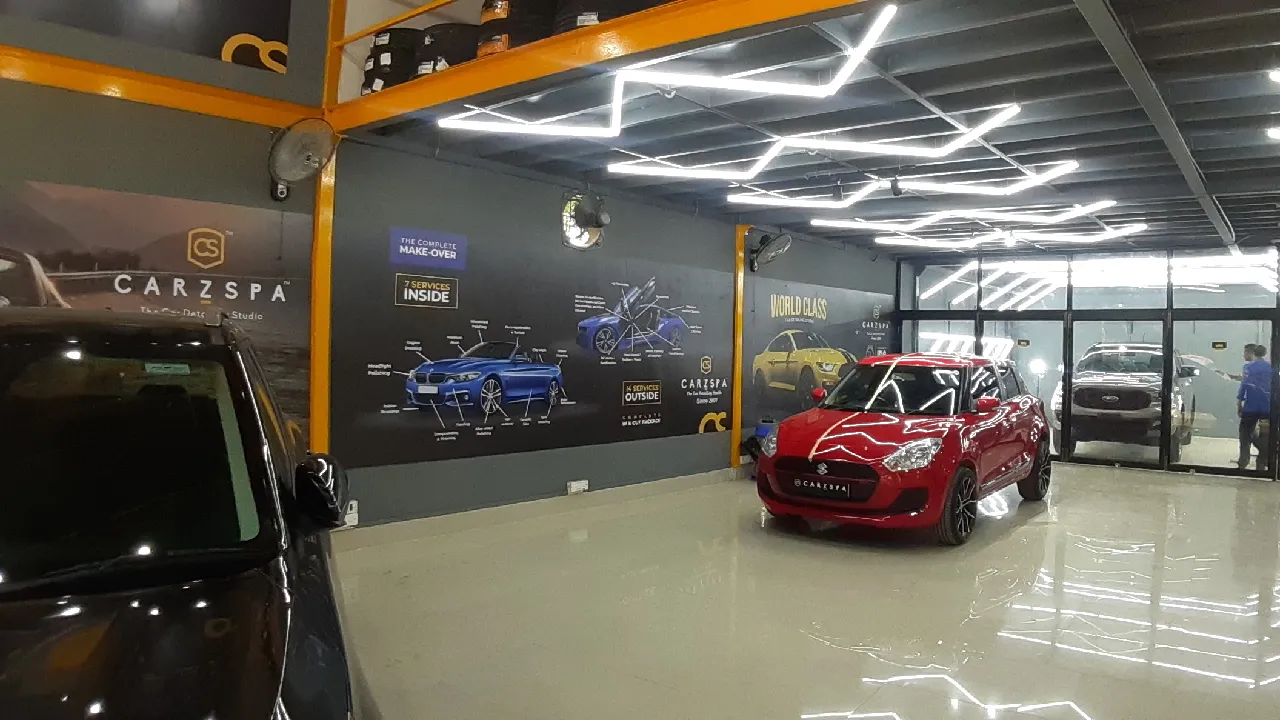
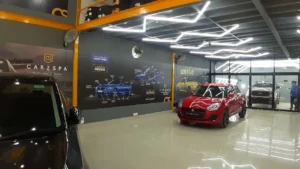
Protecting your car isn’t about relying on one product. It is about understanding different risks and choosing the right solutions for the exterior, paint and underbody. CarzSpa brings these services together through its professional detailing network of 150+ studios across India.
- Car Paint Protection: PPF coating helps protect painted surfaces from stone chips, scratches and road debris, while professional anti-rust treatments can help safeguard vulnerable underbody areas against corrosion.
- Car Ceramic Coating: Ceramic coating helps protect the paint from environmental contaminants, UV exposure and water while making the surface easier to maintain.
- Complete Car Detailing: Professional detailing services help keep your vehicle clean and well-maintained, reducing the buildup of dirt, mud and contaminants that can contribute to long-term wear.
- Professional Inspection: Detailing experts can identify paint damage, corrosion-prone areas and other concerns, helping you choose the right protection for your vehicle.
- Aegis PPF at CarzSpa: Aegis PPF is exclusively available through CarzSpa’s 150+ detailing studios, providing a professional option for preserving your original car paint against everyday road damage.
Together, these solutions create a more complete approach to long-term car protection.
Conclusion
Rust may take time to develop, but prevention should start early. For Indian car owners, rust prevention means combining regular washing, underbody cleaning, timely repairs and proper monsoon care with suitable protective treatments.
A professional anti-rust coating can help protect vulnerable metal areas, while PPF and ceramic coatings safeguard the exterior in different ways. A quality PPF coating helps defend painted surfaces against physical damage, while ceramic protection helps with contaminants, water and UV exposure.
The smartest approach is to use the right protection for each part of your vehicle. Protect the metal from corrosion, preserve the paint, maintain your car regularly and address small signs of damage before they become expensive repairs.
Frequently Asked Questions
1. What is the best way to prevent rust on a car?
Regular washing, underbody cleaning, repairing paint chips promptly and keeping moisture-prone areas clean are essential. Depending on the vehicle and environment, a professional anti-rust treatment can provide additional protection.
2. Does PPF prevent rust?
PPF doesn’t directly prevent rust, but it can help protect painted surfaces from stone chips and scratches that may expose underlying material. It should not be considered a substitute for dedicated underbody corrosion protection.
3. Does ceramic coating prevent car rust?
Ceramic coating protects the paint surface from contaminants, UV exposure and water while improving hydrophobicity. However, it isn’t an anti-rust treatment and cannot replace dedicated corrosion protection for the underbody.
4. Is anti-rust coating necessary for every car?
Not necessarily. The need depends on the vehicle, climate, road conditions, age and existing corrosion protection. Cars frequently exposed to coastal air, heavy rain, mud or waterlogging may benefit more from professional treatment.
5. Should I get PPF or ceramic coating for my car?
It depends on your priorities. PPF offers stronger physical protection against chips and scratches, while ceramic coating focuses on gloss, hydrophobicity and surface protection. Many owners use both for complementary protection.