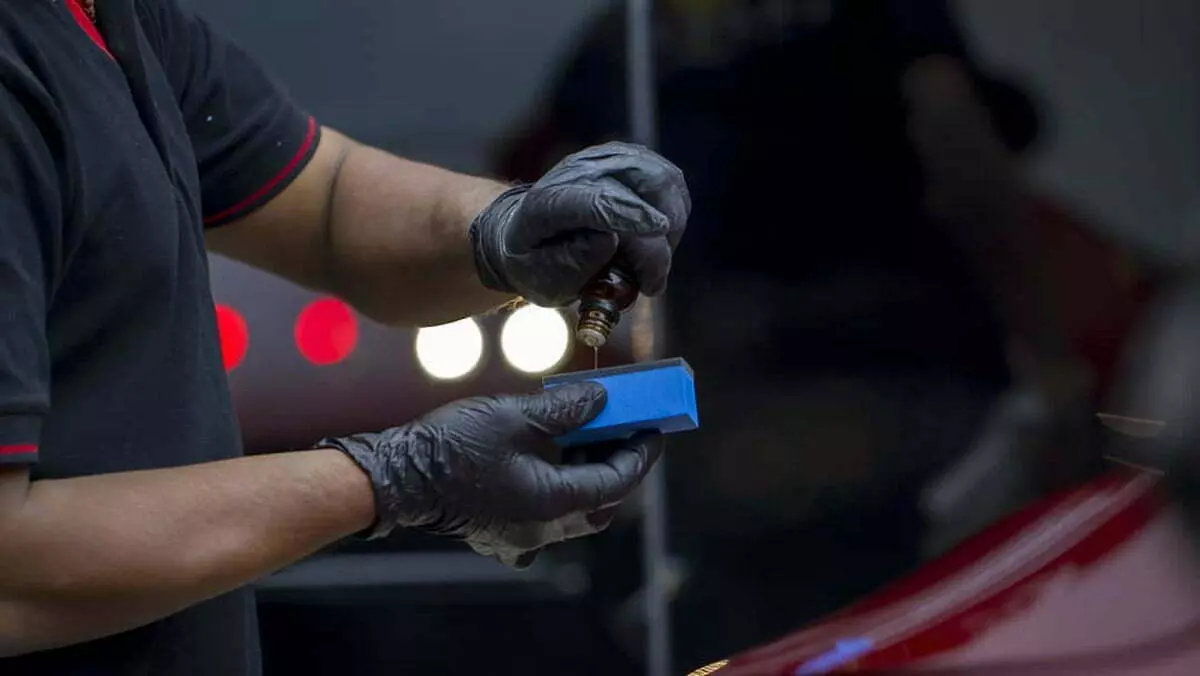
Every car owner wants their vehicle to keep its showroom shine for years. Unfortunately, daily exposure to sunlight, dust, bird droppings, tree sap, road grime and environmental pollutants slowly damages your car’s paint, causing it to lose its gloss over time.
This is why ceramic coating for cars has become one of the most popular paint protection solutions among automobile enthusiasts and new car buyers alike. A professionally applied car ceramic coating creates a durable, transparent protective layer over your vehicle’s paint, making maintenance easier while enhancing gloss and resistance to contaminants.
But what is ceramic coating? How does it work? Is it really worth the investment? And how is it different from traditional waxes or other paint protection for cars, like Paint Protection Film (PPF)?
In this guide, we’ll explain the science behind ceramic coating, its benefits, limitations, and why it has become one of the most trusted paint protection solutions for modern vehicles.
Table of contents
- What is Ceramic Coating?
- The Science Behind Ceramic Coatings
- How Does Ceramic Coating Protect Your Car’s Paint?
- Benefits of Ceramic Coating for Cars
- How Long Does Ceramic Coating Last?
- Ceramic Coating vs Wax
- Ceramic Coating vs Paint Protection Film (PPF)
- Ceramic Coating vs Graphene Coating
- What Ceramic Coating Does Not Protect Against
- Is Ceramic Coating Worth It?
- Can Ceramic Coating Be Applied to Old Cars?
- How to Maintain Ceramic Coating
- Common Myths About Ceramic Coating
- Conclusion
- Frequently Asked Questions
What is a ceramic coating?
Ceramic coating is a liquid polymer that chemically bonds with your car’s factory clear coat to create a durable, transparent layer of protection. Unlike traditional waxes that simply sit on the surface, a professional ceramic coating forms a semi-permanent bond with the paint, providing long-lasting protection against UV rays, oxidation, dirt, bird droppings, tree sap and everyday environmental contaminants.
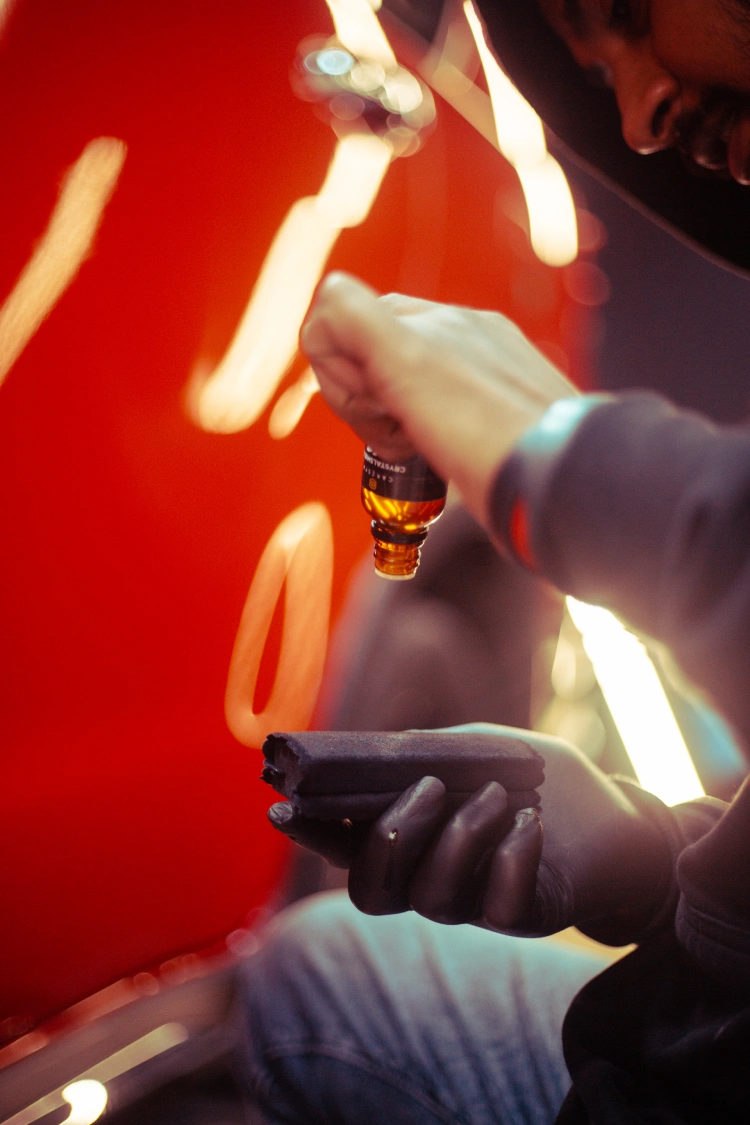
Most premium car ceramic coating products are formulated using Silicon Dioxide (SiO₂), which gives the coating its hardness, glossy finish and hydrophobic (water-repelling) properties. Once cured, the coating creates a smooth surface that makes washing easier while helping preserve your vehicle’s original finish.
The Science Behind Ceramic Coatings
Ceramic coatings are built around silicon dioxide, a key ingredient that contributes to the coating’s hardness, shine, and durability. These formulations contain silica (SiO₂) nanoparticles, solvents and performance additives (UV blockers, adhesion promoters, flexibilisers, and PTFE-like lubricants).
The solvent keeps the formulation liquid for application and evaporates while the silane/polysiloxane condenses into a hard, glass-like network that provides hardness, hydrophobicity and gloss. When applied correctly, the coating cures and forms a strong bond with the paint surface, creating a long-lasting protective layer.
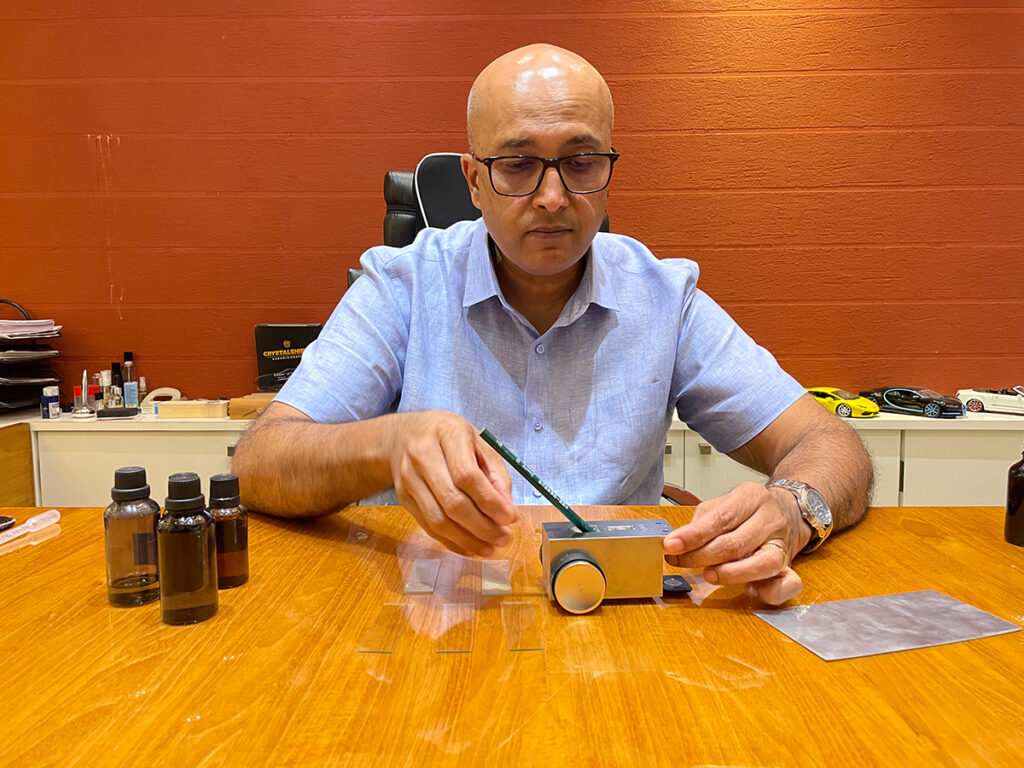
One of the biggest benefits of ceramic coating is its hydrophobic effect, which causes water to bead and roll off more easily, helping keep the car cleaner for longer.
The cured coating also acts as a barrier against UV rays, light chemical exposure, dirt, and environmental contaminants, helping preserve the finish.
The durability and performance of ceramic coatings depend on SiO₂ content and quality, the overall formulation (types of silanes/polymers and additives), application technique and aftercare. Higher-grade products and professional applications usually deliver longer-lasting protection.
How Does Ceramic Coating Protect Your Car's Paint?
Unlike waxes or sealants that simply sit on the paint surface, a ceramic coating forms a semi-permanent bond with your car’s clear coat. Here’s how the process works:
Step 1: Paint Preparation
The process begins with thoroughly washing and decontaminating the vehicle to remove dirt, tar, iron particles and other contaminants. If necessary, professionals perform paint correction to eliminate swirl marks, light scratches and oxidation. This ensures the surface is perfectly clean and smooth before the coating is applied.
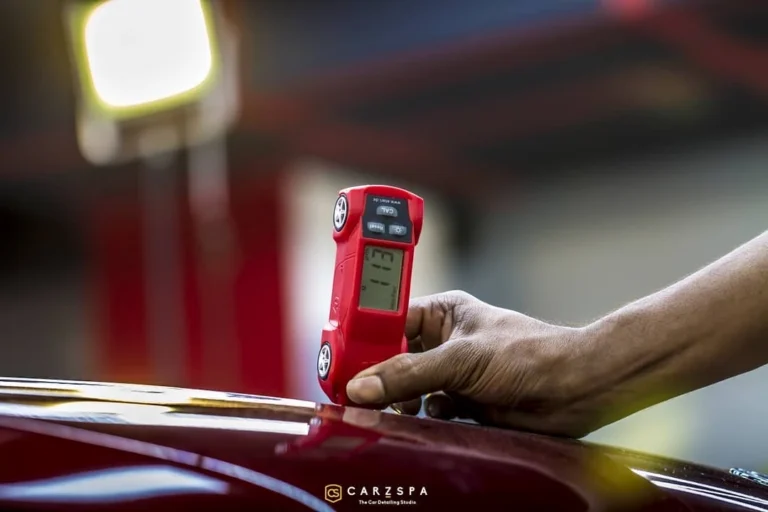
Step 2: Ceramic Coating Application
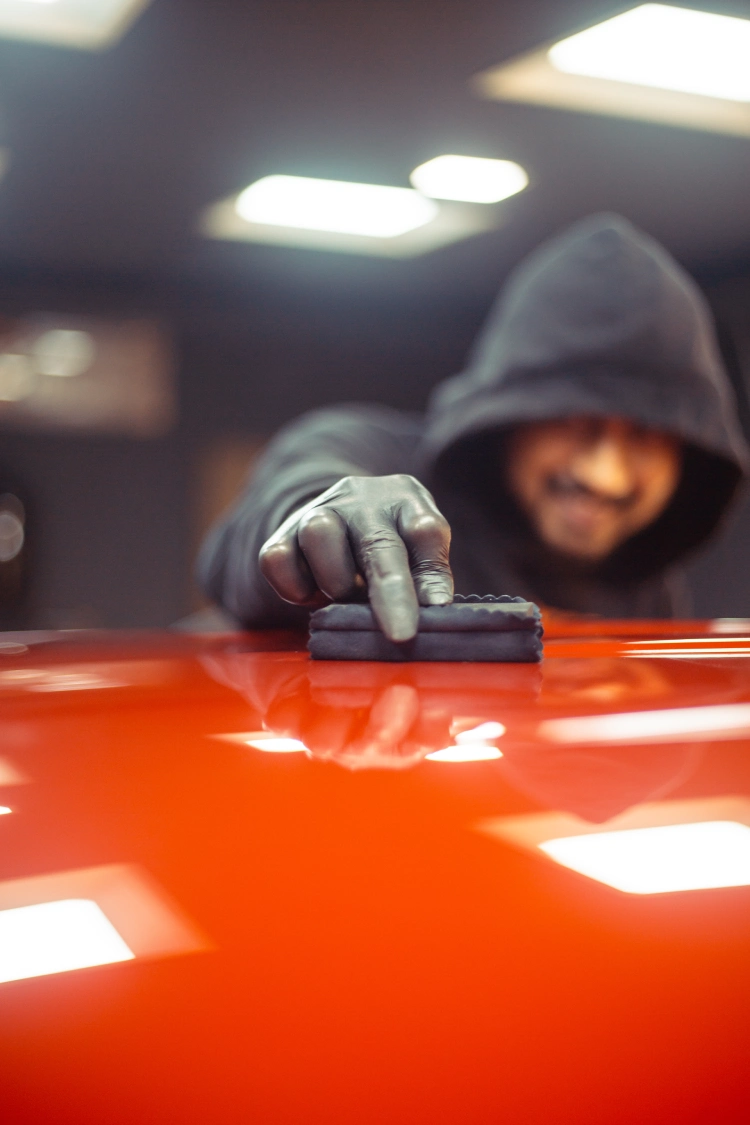
The car ceramic coating is carefully applied panel by panel using a specialised applicator. The liquid coating spreads evenly across the paint surface, allowing the nano-sized particles to settle into the microscopic pores of the clear coat.
Step 3: Chemical Bonding
As the solvent evaporates, the Silicon Dioxide (SiO₂) molecules begin to cross-link and chemically bond with the factory clear coat. Unlike traditional wax, which merely sits on top of the paint, ceramic coating becomes an integral part of the surface, creating a durable protective layer.
Step 4: Curing
Once applied, the coating needs time to cure. During this period, the protective layer hardens and develops its signature gloss, hydrophobic properties and chemical resistance. Following the recommended curing time is essential for achieving maximum durability and performance.
Step 5: Long-Term Protection
Once fully cured, the coating forms a transparent shield that helps protect the paint from UV rays, bird droppings, tree sap, road grime and other environmental contaminants. Its hydrophobic nature causes water to bead and roll off, making routine washing easier while preserving the vehicle’s shine.
Benefits of Ceramic Coating for Cars
A professionally applied ceramic coating for cars offers much more than just a glossy finish. Here are some of the biggest benefits of investing in a car ceramic coating.
1. Hydrophobic Protection
One of the most noticeable advantages of a ceramic coating is its hydrophobic nature, meaning it actively repels water and liquids.
Instead of spreading across the paint, water forms tight beads that roll off the surface, taking loose contaminants along with it.
Since dirt, mud and road grime struggle to stick to the slick, coated surface, your car stays cleaner for longer between washes.
2. Superior Chemical Resistance
Bird droppings and tree sap are highly acidic contaminants that can stain or etch your car’s paint if left unattended. Ceramic coating provides an additional layer of defence, reducing the chances of permanent damage when cleaned promptly.
The smooth coating makes it harder for dust, dirt and airborne pollutants to bond with the paint, helping maintain a cleaner appearance.
3. Enhanced Gloss and Showroom Shine
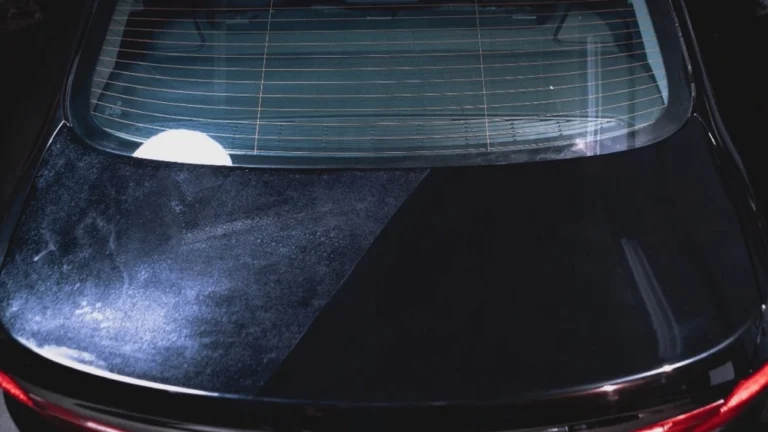
One of the biggest reasons car owners choose ceramic coating for cars is that it enhances the depth and clarity of your vehicle’s colour, making metallic flakes and paint finishes appear more vibrant. A properly applied professional ceramic coating creates a smooth, reflective surface that delivers a deep, high-gloss finish.
Unlike conventional waxes that fade within weeks, ceramic coatings help preserve that freshly detailed look for years with proper maintenance.
4. UV and Oxidation Protection
Constant exposure to sunlight can gradually fade automotive paint and reduce its overall shine. Ceramic coating helps reduce the harmful effects of ultraviolet (UV) rays, slowing down paint fading caused by prolonged sun exposure. By limiting direct exposure to oxygen and environmental pollutants, ceramic coatings help minimise oxidation, allowing your paint to retain its original colour and gloss for longer.
5. Easier Maintenance
Keeping a coated vehicle clean requires significantly less effort than maintaining untreated paint. Since contaminants don’t bond as strongly to the coated surface, most dirt can be removed with a gentle wash. Your car stays cleaner for longer, reducing the need for frequent polishing or extensive detailing sessions. Even after regular driving, the paint retains a cleaner, glossier appearance compared to uncoated vehicles.
How Long Does Ceramic Coating Last?
This is one of the most common questions asked by car owners. Good-quality ceramic coating on cars can last anywhere between 2 and 7 years, depending on several factors, including the quality of the coating, the application process and how well it is maintained.
Here are the key factors that affect the lifespan of a car ceramic coating:
1. Quality of the Ceramic Coating
Premium car coatings formulated with high-quality ingredients generally offer better durability, stronger chemical resistance and longer-lasting gloss than entry-level products.
2. Surface Preparation Before Application
Proper paint decontamination and paint correction remove imperfections and contaminants, allowing the coating to bond effectively with the vehicle’s clear coat.
3. Driving and Environmental Conditions
Cars that are regularly exposed to harsh sunlight, heavy rainfall, road salt, industrial fallout, bird droppings or tree sap may require more frequent ceramic top-ups.
4. Washing and Maintenance
Washing your car with pH-neutral shampoos, using proper wash techniques and avoiding abrasive cleaning products helps the coating perform as intended for longer.
5. Professional Maintenance
Periodic inspections and maintenance by professional detailers can help restore the coating’s water-repellent properties and remove contaminants that regular washing may not eliminate.
Ceramic Coating vs Wax
| Feature | Wax | Ceramic Coating |
|---|---|---|
| Durability | Weeks | Years |
| Gloss | Good | Excellent |
| Hydrophobicity | Moderate | Excellent |
| UV Protection | Limited | Excellent |
| Chemical Resistance | Low | High |
| Maintenance | Frequent reapplication | Minimal |
| Cost | Lower upfront | Higher upfront, better long-term value |
Ceramic Coating vs PPF
While both are excellent car paint protection solutions, they are designed to protect against different types of damage.
| Feature | Ceramic Coating | Paint Protection Film (PPF) |
|---|---|---|
| Primary Purpose | Protects against UV rays, dirt, chemicals and environmental contaminants | Protects against stone chips, scratches, road debris and minor impacts |
| Gloss Enhancement | Excellent | Excellent (depending on the finish chosen) |
| Hydrophobic Properties | Excellent | Moderate (can be enhanced with PPF ceramic coating) |
| Scratch Resistance | Helps reduce light swirl marks | Excellent protection against physical damage |
| Impact Protection | No | Yes |
| Ease of Maintenance | Very easy to clean | Easy to clean |
| Cost | More affordable | Higher investment |
Ceramic Coating vs Graphene Coating
While both ceramic coating and graphene coating are designed to protect your vehicle’s paint and enhance its appearance, they differ slightly in their composition and performance characteristics.
| Feature | Ceramic Coating | Graphene Coating |
|---|---|---|
| Primary Composition | Silicon Dioxide (SiO₂) | Silicon Dioxide (SiO₂) with graphene additives |
| Gloss Enhancement | Excellent | Excellent |
| Hydrophobic Performance | Excellent water beading and self-cleaning | Excellent water beading and self-cleaning |
| UV & Chemical Resistance | Excellent | Excellent |
| Heat Dissipation | Very Good | Slightly improved due to graphene additives |
| Water Spot Resistance | Good | Generally better resistance to water spotting |
| Durability | Long-lasting with proper maintenance | Long-lasting with proper maintenance |
| Maintenance Requirements | Low | Low |
| Cost | More economical | Typically a premium-priced option |
Both options offer excellent protection, and the right choice depends on your vehicle, driving conditions and maintenance expectations.
What Ceramic Coating Does NOT Protect Against
While ceramic coating significantly improves your car’s resistance to contaminants and minor swirl marks, it is not designed to prevent:
- Stone chips
- Deep scratches
- Accidental impacts
- Major abrasions
If maximum impact protection is your priority, Paint Protection Film (PPF) remains the better option. Many car owners even combine PPF and ceramic coating for comprehensive paint protection.
Is Ceramic Coating Worth It?
Yes. If you’re looking for a long-term car paint protection solution that keeps your vehicle looking newer for longer, ceramic coating is certainly worth it.
Unlike waxes that need frequent reapplication, a professionally applied ceramic coating provides durable protection against UV rays, dirt, bird droppings and other environmental contaminants for years with proper care.
A well-maintained exterior creates a strong first impression and helps retain your vehicle’s value. By protecting the paint from fading, oxidation and everyday wear, ceramic coating for cars helps keep your vehicle in better condition over the years.
If you want lasting gloss, easier maintenance and reliable paint protection for cars, a professionally applied car ceramic coating is a worthwhile investment for both new and well-maintained used cars.
Can Ceramic Coating Be Applied to Old Cars?
Yes, ceramic coating can be applied to old cars, provided the paint is in good condition or has been properly restored beforehand. In fact, many owners choose ceramic coating for cars to revive the appearance of older vehicles and protect the paint from further deterioration.
If your car has faded paint, deep scratches or peeling clear coat, it’s best to have the paint inspected by a professional detailer first. They can recommend whether paint correction alone is sufficient or if repainting is required before applying a ceramic coating for long-lasting results.
How to Maintain Ceramic Coating
How Can You Make Your Ceramic Coating Last Longer?
To maximise the lifespan of your ceramic coating, follow these simple best practices:
- Wash your car regularly using a pH-neutral car shampoo.
- Remove bird droppings, tree sap and other contaminants as soon as possible.
- Avoid automatic car washes with abrasive brushes.
- Use clean microfiber towels and wash mitts to minimise swirl marks.
- Schedule periodic maintenance inspections with a professional detailing studio.
With the right application and proper care, a professional ceramic coating can continue to enhance your vehicle’s gloss, make cleaning easier and provide dependable car paint protection for years, making it a worthwhile investment for car owners who want to keep their vehicles looking their best.
Common Myths About Ceramic Coating
There are a lot of misconceptions around ceramic coatings, which either prevent people from getting car paint protection or from getting a cheap-quality product. This clears the major myths surrounding ceramic coating.
Myth: Ceramic coating is scratch-proof.
Reality: It resists minor swirls but cannot stop deep scratches.
Myth: You’ll never need to wash your car again.
Reality: It makes washing easier, not unnecessary.
Myth: Ceramic coating lasts forever.
Reality: Every coating has a lifespan.
Myth: Ceramic coating prevents dents and stone chips.
Reality: Only Paint Protection Film offers impact protection.
Conclusion
A ceramic coating is an excellent investment for car owners who want to preserve their vehicle’s paint, enhance its gloss and reduce the effort required to keep it looking its best. Whether you’ve just purchased a new car or want to restore and protect an older one, a professionally applied coating can provide years of reliable paint protection when paired with proper maintenance.
However, if your primary concern is preventing stone chips, deep scratches or impact damage, Paint Protection Film (PPF) may be a more suitable choice, or you may benefit from combining PPF with ceramic coating for comprehensive protection.
At CarzSpa, our experts assess your vehicle’s condition, recommend the most appropriate protection solution, and ensure every coating is applied with meticulous surface preparation for long-lasting performance. Visit your nearest CarzSpa Detailing Studio to discover the right car paint protection solution for your vehicle.
Frequently Asked Questions
1. What is ceramic coating?
Ceramic coating is a liquid polymer that chemically bonds with your car’s clear coat, creating a durable protective layer that enhances gloss, repels water and shields the paint from environmental contaminants.
2. How long does ceramic coating last?
A professionally applied ceramic coating can last several years, depending on the coating quality, surface preparation, driving conditions and how well the vehicle is maintained after application.
3. Is ceramic coating worth it?
Yes, ceramic coating is a worthwhile investment for car owners seeking long-term paint protection, easier maintenance, enhanced gloss and better preservation of their vehicle’s appearance and resale value.
4. Does ceramic coating prevent scratches?
Ceramic coating offers resistance against light swirl marks and minor scratches but does not prevent deep scratches, stone chips or impact damage. Paint Protection Film (PPF) provides better physical protection.
5. Can ceramic coating be removed?
Yes, ceramic coating can be removed through machine polishing or paint correction. Since it bonds with the clear coat, professional removal is recommended to avoid damaging the paint surface.
6. Is ceramic coating safe for new cars?
Absolutely. Ceramic coating is safe for new cars and is best applied soon after purchase to preserve the factory paint, enhance gloss and protect against everyday environmental contaminants.
7. Can ceramic coating be applied on old cars?
Yes, ceramic coating can be applied to older cars after proper surface preparation and paint correction. This ensures the coating bonds effectively and delivers the best possible finish and protection.
8. Can ceramic coating be applied over PPF?
Yes, ceramic coating can be applied over Paint Protection Film (PPF). It enhances gloss, improves water repellency and makes the film easier to clean while adding another layer of protection.
9. Does ceramic coating protect against UV rays?
Yes, ceramic coating helps protect your car’s paint from harmful UV rays, reducing oxidation and slowing paint fading caused by prolonged exposure to sunlight and harsh weather conditions.
10. Does ceramic coating increase resale value?
While ceramic coating doesn’t directly increase resale value, it helps preserve your car’s paint condition and appearance, making it more attractive to buyers and potentially improving its resale appeal.
Share: