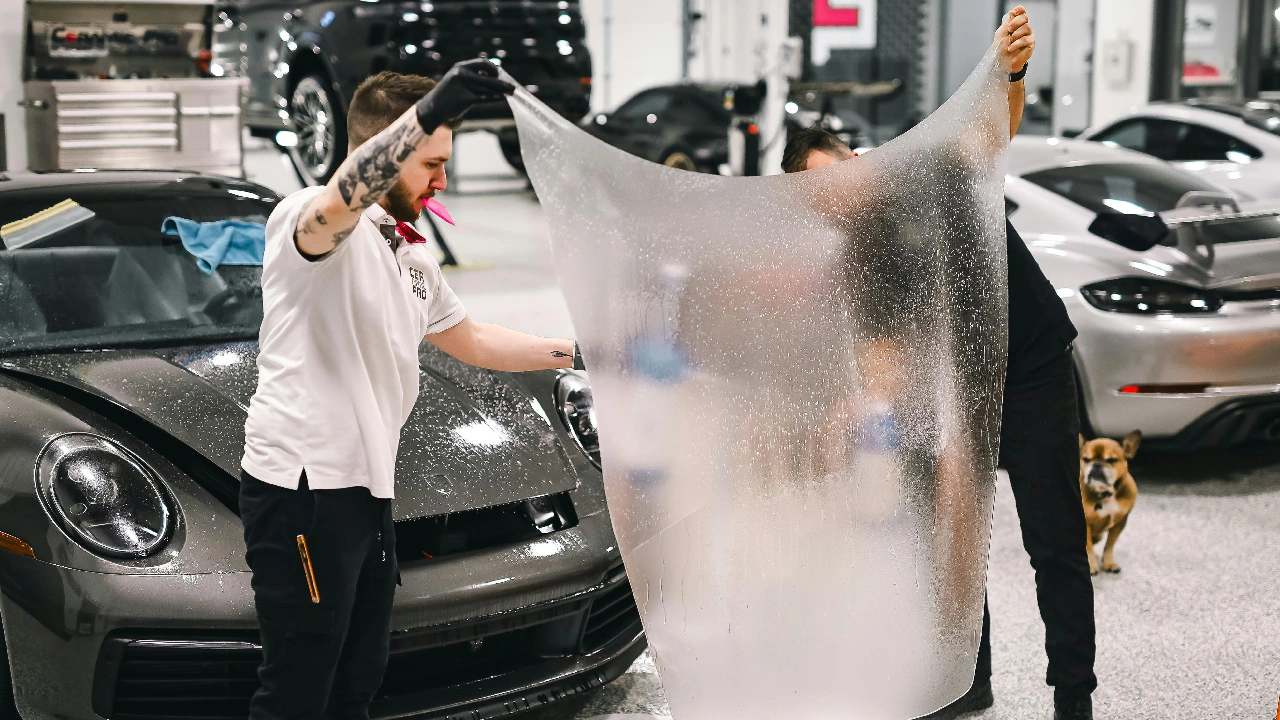
India is one of the most demanding environments in which to drive a car. Between potholed city roads, highway gravel, construction dust, acid rain during the monsoon and the relentless summer sun, your car’s paint faces a lot. A fresh scratch on a white hatchback is one thing. But the same scratch on a Cosmic Black BMW or a Stealth Grey Fortuner will hurt more than a break-up.
PPF coating exists precisely for this reason. It is a transparent, self-healing layer of thermoplastic polyurethane (TPU) applied over your car’s painted surfaces, acting as an invisible shield against rock chips, swirl marks, bird droppings, UV damage and road debris. So, for some vehicles, car PPF is a must-have, because of their paint softness, value, colour and usage. This blog walks you through the top 10 cars in India that need paint protection film is not a luxury but a genuine necessity.
Table of contents
- BMW M Series (3/5/7)
- Mercedes-Benz C-Class & E-Class
- Mahindra Thar & Thar Roxx
- Toyota Fortuner
- Hyundai Creta & Creta Electric
- Kia Seltos
- Tata Nexon EV & Curvv EV
- Skoda Slavia & Kushaq
- MG Gloster & Hector Plus
- Maruti Suzuki Jimny
- How to Decide Which PPF Coverage Your Car Needs
- Why Choose Aegis PPF from CarzSpa
- Conclusion
- Frequently Asked Questions
BMW M Series (3/5/7)
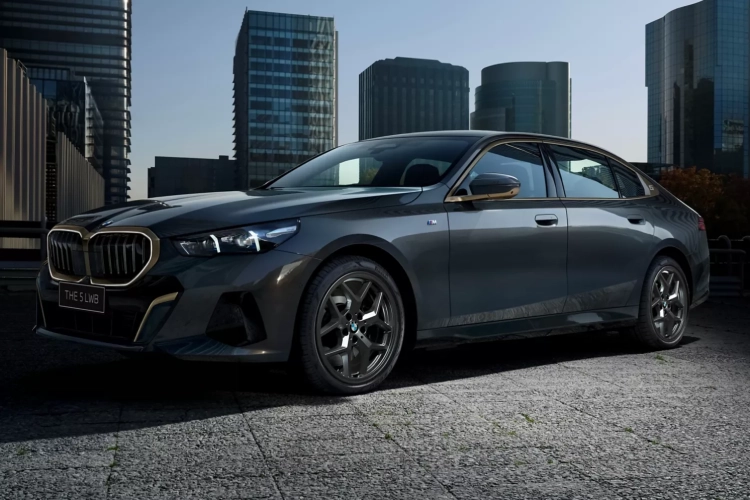
The BMW paint job is beautiful, but it is soft. German luxury paint formulations prioritise depth of colour and gloss finish over hardness, which means a BMW shows swirl marks, light scratches, and rock chips faster than most other cars on Indian roads. Add to this the fact that dark colour options like Sophisto Grey, Black Sapphire and Carbon Black Metallic are among the most popular choices for BMW buyers in India. These colours reveal every imperfection.
A month of daily commuting in Bengaluru or Mumbai traffic, with its constant door-ding risk and gritty air, is enough to dull a finish that cost lakhs to choose. For M Sport variants driven enthusiastically on highways, the front bumper, hood and fenders take the worst of road debris at speed.
For BMW sedans, Aegis Xceed, the 225-micron XG Series film with Duroflex coating delivers the clarity and impact resistance a BMW’s premium paint demands. For M Sport and performance variants, the thicker Aegis Ultra 250 with its 12-year pan-India warranty is the right call.
Mercedes-Benz S-Class
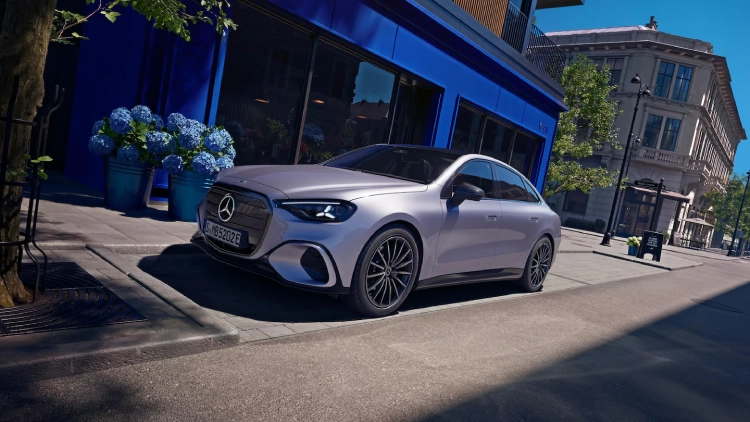
The Mercedes-Benz S-Class paint, while premium, is applied over large, continuous body panels that are highly exposed. The long hood of the S-Class, the wide front fenders and the prominent bonnet all catch highway debris with remarkable efficiency. Owners who drive these cars on expressways regularly will tell you that rock chip clusters on the hood become visible within the first year if the car is unprotected. Investing in the right PPF car protection early is one of the smartest financial decisions a Mercedes owner can make.
For S-Class owners, full-body coverage is strongly recommended from day one. The Aegis Ultra 250 is purpose-built for luxury vehicles like the S-Class. Its superior hydrophobicity, improved self-healing properties and 12-year warranty make it the appropriate match for a Mercedes-Benz.
Mahindra Thar & Thar Roxx
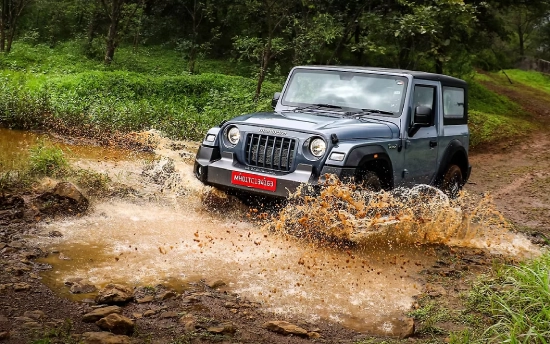
Trail driving, river crossings, rocky hill climbs and forest roads expose the Thar’s paint to flying stones, branches, mud spray and abrasive debris that no wax or basic coating can handle. The front bumper, bonnet, wheel arches and rocker panels take continuous punishment on every adventure outing. The Thar Roxx, being a larger, more premium product with a higher price tag, raises the stakes further. Owners who have spent upwards of ₹15–20 lakh on their vehicle deserve to have its paint survive more than two off-road seasons.
This is also a vehicle where Matte PPF has become extremely popular. Many Thar owners opt for a matte or satin-finish film that not only protects the vehicle but also transforms its look into something more tactical and aggressive, without the commitment of a permanent wrap. It protects, it looks exceptional and it is removable when you want to go back to stock. For off-road use, the Aegis Eternal 300 is the right match for a Thar that actually goes where it is supposed to go. Its lifetime warranty and enhanced scratch resistance handle branches, flying rocks and trail debris without compromise.
Toyota Fortuner
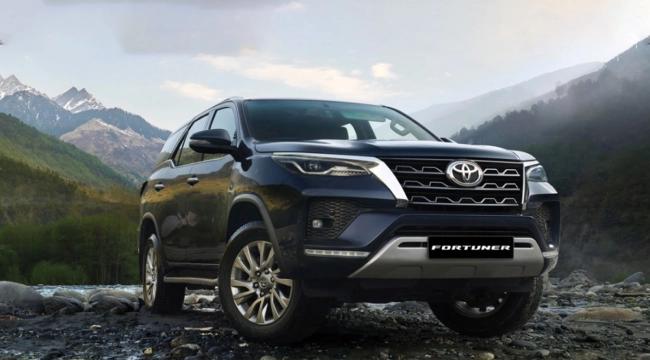
Fortuner owners predominantly drive on national highways, where stone chips from trucks and loose gravel patches are constant hazards. The large hood surface area, one of the biggest among popular Indian SUVs, catches debris over a wide frontal zone. Without protection, the hood of a Fortuner begins to show chip clusters within 12 to 18 months of regular highway driving.
The Fortuner is also a long-ownership vehicle. Most buyers keep it for 7 to 10 years. Over that kind of ownership period, unprotected paint will require at least one full repaint, which costs more than the PPF cost for full-front coverage several times over.
We suggest the Aegis Eternal 300 for adventure-driven Fortuners and the Aegis Ultra 250 for highway-primarily Fortuners, both engineered specifically for the kind of debris impacts that large SUVs face at speed on Indian national highways.
Hyundai Creta & Creta Electric
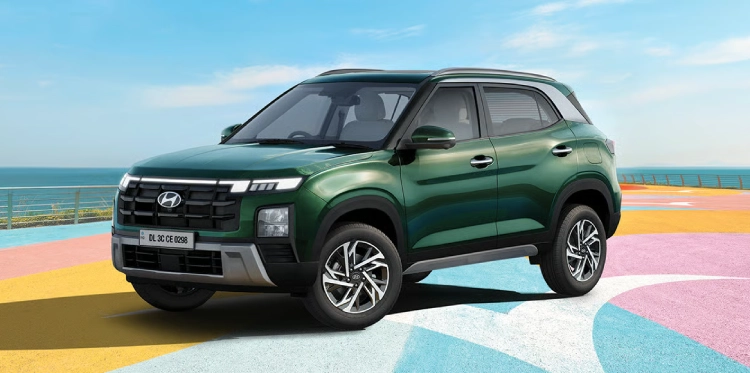
The Hyundai Creta is India’s best-selling SUV and that popularity is both its strength and its vulnerability. Because Cretas are everywhere, they park in tight lots, navigate narrow lanes and spend hours in bumper-to-bumper traffic where door dings and minor abrasions are almost inevitable.
The Creta is available in some of India’s most visually striking paint options like Atlas White, Fiery Red, Titan Grey, colours that look stunning on day one but need consistent care to stay that way. Red and grey, especially, are colours that show water spots, swirl marks and fine scratches clearly under sunlight.
For the standard Creta, Aegis Armor, the 190-micron clear PPF with self-healing technology and a 5-year warranty offers strong, reliable protection at a practical price point. For the Creta Electric, stepping up to Aegis Xceed with its Duroflex coating better matches the vehicle’s premium positioning.
Kia Seltos
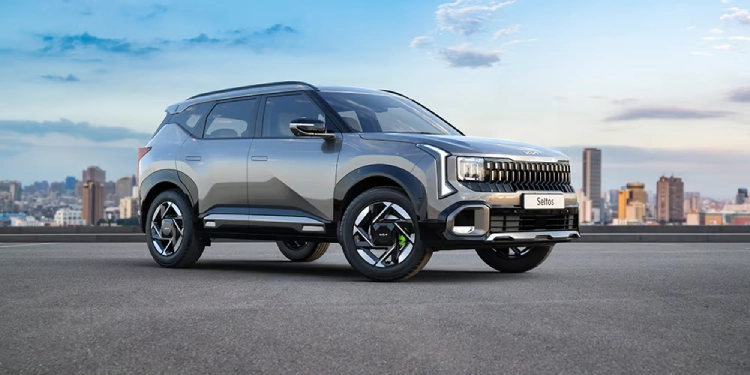
The Kia Seltos occupies a sweet spot in the Indian market, premium enough to matter, popular enough to be everywhere. Seltos buyers tend to be younger, more aspirational and more invested in how their car looks. They care about the paint. And that is exactly why they need to protect it.
The Seltos comes in bold, saturated colours like Intense Red, Imperial Blue and Glacier White Pearl, that catch the eye but also catch every scratch. The vehicle’s relatively large surface area means there is more paint exposed to risk and its popularity means it is constantly navigating the kind of dense urban traffic where minor paint incidents are a daily possibility.
Get the Aegis Armor on standard Seltos variants and Aegis Xceed for GTX+ with full-body coverage, with superior impact resistance and clarity. Those who have purchased the top-spec GTX+ variant should consider full-body coverage given the vehicle’s price point.
Tata Nexon EV & Curvv EV
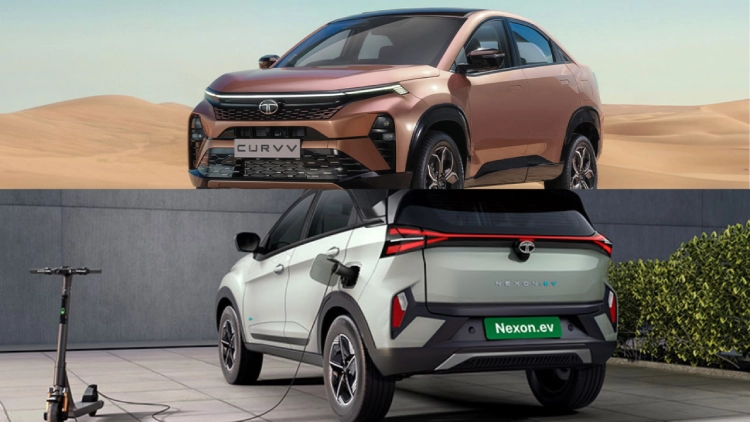
Both the Nexon EV and Curvv EV are also driven by owners who are deeply conscious of their vehicle’s condition; they track charging cycles, maintain service schedules, and care about resale value. A PPF-protected EV holds its paint condition far better over a 5 to 7 year ownership cycle, which matters greatly as the used EV market in India matures and becomes more price-sensitive.
The case for paint protection film on an EV is stronger than on most conventional cars. Panel repairs on EVs cost significantly more because of the complex integration between the battery system, body structure, and electronics. A simple door panel replacement on a Nexon EV costs considerably more than the same repair on a petrol hatchback. Protecting the paint from the start means avoiding those repairs entirely.
We suggest the Aegis Xceed for the Nexon EV, offering 225 microns of XG Series protection with Duroflex coating tailored for India’s climate. For the Curvv EV, a larger, more premium product, Aegis Ultra 250 with its 12-year warranty is the appropriate investment.
Skoda Slavia & Kushaq
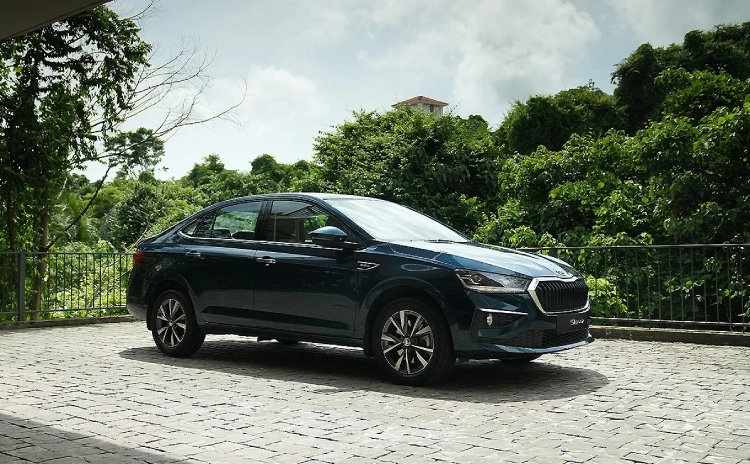
The Slavia has one of the longest hoods in its segment. That large, flat surface is directly in the path of highway gravel and debris and unlike darker-coloured cars, where chips can be harder to spot at first, the Slavia’s popular Crystal Blue, Candy White and Carbon Steel shades each reveal damage differently, but clearly. Skoda owners who commute between cities regularly will begin noticing hood chips within the first year of ownership without protection.
The Kushaq, meanwhile, is a compact SUV with wide fenders and prominent wheel arches that pick up road spray and debris at the edges, an area that partial coverage often misses. A full-front PPF coating that includes the fender tips and wheel arch edges is the right call for Kushaq drivers.
For the Slavia, any 200+ micron clear PPF provides the right balance of clarity and impact resistance for a sedan that spends significant time on highways. For the Kushaq, a thicker PPF is needed, given the fender and wheel arch exposure that compact SUVs face on mixed terrain.
The Slavia has one of the longest hoods in its segment. That large, flat surface is directly in the path of highway gravel and debris and unlike darker-coloured cars, where chips can be harder to spot at first, the Slavia’s popular Crystal Blue, Candy White and Carbon Steel shades each reveal damage differently, but clearly. Skoda owners who commute between cities regularly will begin noticing hood chips within the first year of ownership without protection.
The Kushaq, meanwhile, is a compact SUV with wide fenders and prominent wheel arches that pick up road spray and debris at the edges, an area that partial coverage often misses. A full-front PPF coating that includes the fender tips and wheel arch edges is the right call for Kushaq drivers.
For the Slavia, any 200+ micron clear PPF provides the right balance of clarity and impact resistance for a sedan that spends significant time on highways. For the Kushaq, a thicker PPF is needed, given the fender and wheel arch exposure that compact SUVs face on mixed terrain.
MG Gloster & Hector Plus
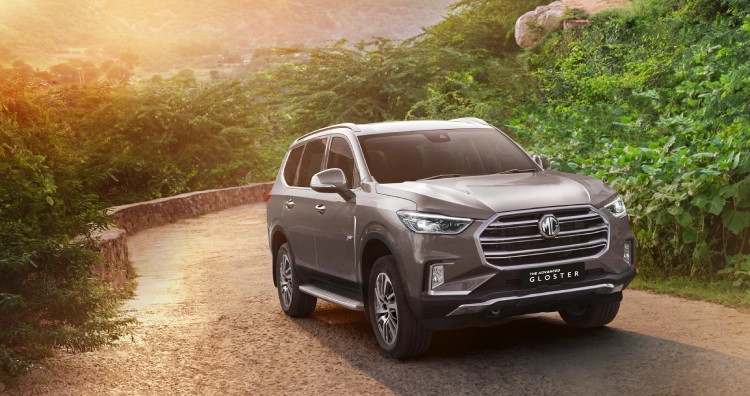
The MG Gloster and Hector Plus belong to a category of large SUVs where sheer size becomes a paint protection factor. More surface area means more exposure. The Gloster in particular has an imposing hood, wide door panels and rear quarters that are all highly vulnerable to scratches in parking lots, road debris on highways and grime accumulation in urban environments.
A Gloster with a chipped hood or scratched door panel loses both visual impact and resale value quickly. On a vehicle this size, a full repaint is not a small job: panel-by-panel correction on a large SUV at a quality body shop can easily cross ₹1,00,000 before the full picture emerges.
Among the best PPF brands suited for large SUVs, thicker film options, 250 microns and above, are strongly recommended because they offer better impact absorption against the kind of gravel and debris that large SUVs encounter at highway speeds. Full-body is the better investment given the vehicle’s price and panel size.
Maruti Suzuki Jimny
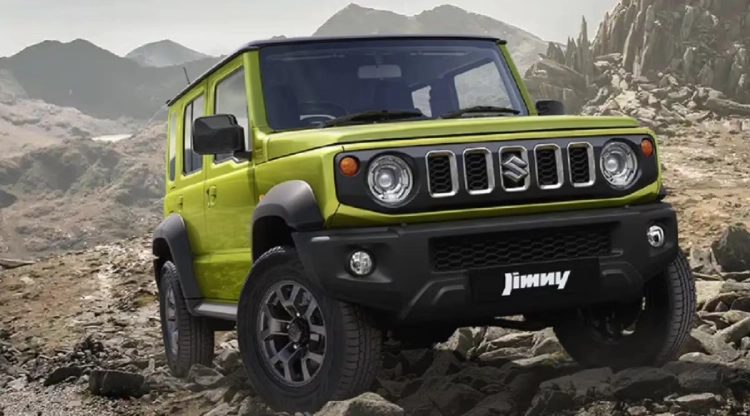
The Jimny’s boxy, flat-panel design means that every scratch and chip is immediately visible; there are no complex curves or character lines to hide imperfections. Trail driving exposes the bonnet, front bumper, sills and wheel arches to consistent debris contact. Even city-driven Jimnys accumulate door dings and parking scratches faster because of their compact size and tight urban footprint.
Full-body coverage is the strongest recommendation for Jimny’s off-road use. At a minimum, front-end and sill protection is essential for every Jimny, regardless of how it is driven. We suggest Aegis Eternal 300 for off-road Jimnys that need maximum impact resistance and Aegis Matt PPF for owners who want the rugged aesthetic transformation alongside serious protection, a combination that is hard to beat on any adventure vehicle.
How to Decide Which PPF Coverage Your Car Needs
- Start with your usage pattern: If your car is driven frequently on national highways, the front bumper, hood and fenders are your first priority; these three areas account for the majority of paint damage caused by road debris in Indian driving conditions. If you also navigate dense city traffic daily, door edges and side mirrors deserve attention, too.
- Factor in your vehicle’s value: For cars above ₹20 lakh, the cost of paint correction, touch-up work and depreciation from visible paint damage adds up far faster than the cost of a good PPF package. For these vehicles, full-body coverage is the smarter long-term call.
- Think beyond the front for off-road vehicles: Extend your thinking beyond the front. Rocker panels, wheel arches and door edges all take sustained damage from trail use. A partial front package leaves significant areas unprotected.
- EVs need Car Paint Protection too: treat paint protection as part of the vehicle’s running cost calculation. Panel repair costs on EVs are meaningfully higher than on conventional vehicles, which shifts the financial logic of PPF firmly into must-have territory.
The PPF cost in India today ranges from approximately ₹65,000 on a compact car to over ₹2,50,000 for full-body coverage on a luxury SUV. That range reflects vehicle size, film tier and coverage area. A good installer will walk you through the options clearly and the right installer matters as much as the right film.
Why Choose Aegis PPF from CarzSpa
Every car on this list deserves protection that is as serious as the Indian roads it faces. Aegis PPF by CarzSpa is the only paint protection film range in India that has been specifically engineered for Indian conditions, not adapted from a European or American market product.
- Film range matched to every car type: From the 190-micron for everyday cars and hatchbacks, to 225-micron for sedans and mid-range SUVs, to the 250-micron for luxury vehicles, to the 300-micron for off-road and large SUVs, there is a film for every car and every usage pattern.
- Duroflex coating for Indian weather: The XG Series’ proprietary Duroflex top coat is engineered to resist yellowing from intense UV exposure, repel the acidic contamination that comes with Indian monsoon rain, and stay clear through the temperature extremes of Indian summers and winters.
- Self-healing that actually works: Minor swirl marks and fine scratches disappear with exposure to heat, which means your car sitting in the sun for an afternoon is enough to restore the film’s surface.
- Warranties that mean something: From a 5-year warranty to a lifetime warranty, the coverage is among the strongest offered by any PPF brand in India.
- Professional installation at 150+ studios: CarzSpa’s trained technicians work in climate-controlled studios, using precision cutting for every car, ensuring zero bubbling, perfect edge alignment, and a genuinely invisible finish.
Conclusion
Indian roads do not forgive unprotected paint. Between the monsoon, the summer heat, the highway gravel and the daily chaos of city driving, your car’s finish is under constant attack. For the ten cars on this list, paint protection film is not an optional upgrade, it is the single most effective thing you can do to preserve your vehicle’s appearance, value and your own pride of ownership.
Whether you are protecting a brand-new BMW from its first rock chip, keeping a Fortuner’s hood intact through years of highway driving, or giving a Jimny’s paint the armour it needs for trail adventures, the right PPF coating makes every one of those things possible.
Visit your nearest CarzSpa Detailing Studios to speak with an expert, understand your coverage options, and get your car the protection it genuinely deserves.
Frequently Asked Questions
1. Which brand is best for PPF in India?
Aegis PPF, known to be made completely with TPU, has superior self-healing capabilities, along with its durability, and is the best PPF brand in India.
2. What cars benefit most from PPF?
SUVs and luxury cars benefit the most from PPF coating as they are regularly exposed to rock chips and flying debris from other cars on the road, and PPF protects their valuable paint from damage.
3. How long does PPF last on a car?
A good quality PPF lasts anywhere between 5 to 10 years on a car, depending on the quality of the film, the perfection in installation, the expertise of the installer and maintenance of the film.
4. What is the longest-lasting PPF?
Aegis PPF is known to have the best durability, making it last the longest on cars, sometimes up to the lifetime of the car.
5. What is the cost of PPF in Creta?
The full-body PPF (Paint Protection Film) on a Hyundai Creta will generally cost between ₹65,000 and ₹1,50,000+ in India as of 2026, depending on the film quality (TPU) and coverage.
Share: