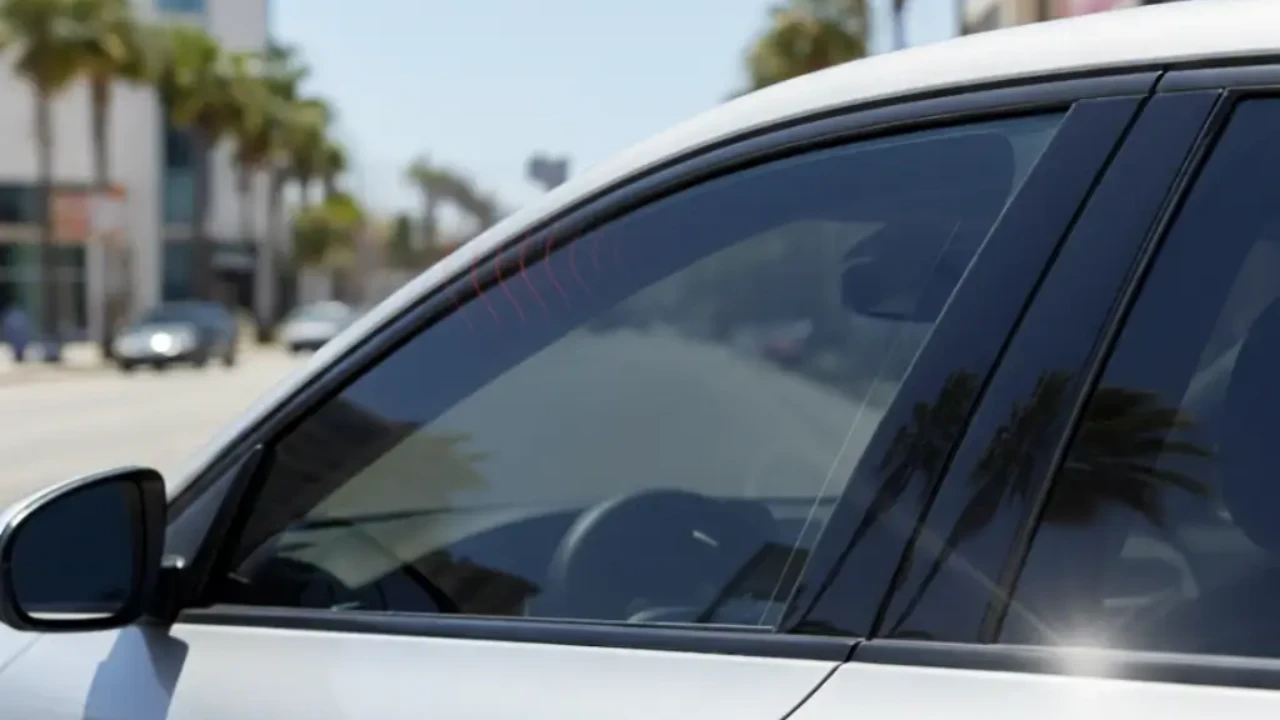
Step into your car on a hot afternoon and you know exactly what we mean. The steering wheel is burning, the seat feels like a frying pan and the AC takes forever to catch up. Most car owners blame the heat on the weather. But here is the thing: a lot of that heat is sneaking in through your windows.
A good car window film changes that completely. And no, it is not just a dark sheet stuck on the glass for privacy. There is actual science working inside every layer, science that blocks heat, filters out harmful rays, cuts glare and still keeps things looking clear.
In this blog, we break down exactly how window films work, what makes some films far better than others and what the law in India says about them. By the time you finish reading, you will know exactly what to look for and why Aegis Sun Protection Films are the best choice for Indian driving conditions.
Table of contents
- How Does Sunlight Actually Heat Your Car?
- What Is a Car Window Film and How Does It Work?
- The Four Numbers That Tell You Everything About a Film
- Types of Window Films: From Basic to Best
- How Window Films Keep Glare Away
- Window Films and the Law in India
- Aegis Sun Protection Films at CarzSpa
- Maintenance Tips to Keep Your Film Performing
- To Conclude
- Frequently Asked Questions
How Does Sunlight Actually Heat Your Car?
To understand how window films work, you first need to understand what is actually coming through your glass. Sunlight is not just visible light. It is a mix of three types of energy, and each one has a different effect on you and your car.
- Visible light (roughly 44% of solar energy): This is the light you can see. It lights up the cabin and, in large amounts, causes glare that strains your eyes while driving.
- Infrared radiation or IR (roughly 53% of solar energy): This is the main culprit behind heat. You cannot see infrared, but you can feel it. It is the warmth you sense sitting next to a window on a sunny day. This is what makes your car cabin feel like an oven when parked in the sun.
- Ultraviolet radiation or UV (roughly 3% of solar energy): The smallest slice, but the most damaging. UV rays are what cause your dashboard to crack, your seat fabric to fade and your leather to dry out and over time, they can harm your skin too.
Your car’s standard factory glass does a reasonable job of blocking most UVB rays. But it lets in a lot of UVA and almost all the infrared. That is why even a car with plain glass gets uncomfortably hot. A quality car window film is designed to selectively filter all three and the technology behind how it does that is genuinely impressive.
DID YOU KNOW? Your car’s cabin can heat up by as much as 20 to 30 degrees Celsius above the outside temperature when parked in direct sunlight. A high-performance window film can bring that cabin temperature down significantly, reducing the load on your AC and improving fuel efficiency.
What Is a Car Window Film and How Does It Work?
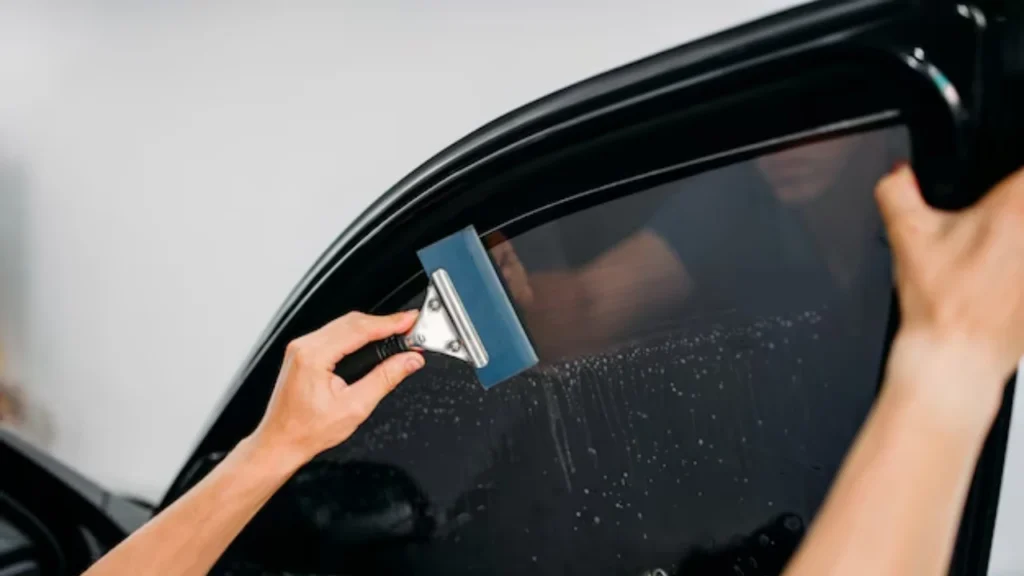
A car glass film is a multi-layered sheet, typically 50 to 100 microns thick, that is applied on the inside of your car’s windows. Each layer has a specific job.
At its most basic, a window film works through three mechanisms:
- Absorption: The film absorbs solar energy, particularly infrared, before it can pass through the glass into the cabin. The absorbed energy is then slowly dissipated outward.
- Reflection: Some films, particularly older metalised types, reflect a portion of solar energy outward, like a mirror. Premium modern films do this in a more controlled way, rejecting heat without creating a strong reflective appearance.
- Selective transmission: The most sophisticated films, particularly ceramic ones, are engineered to allow high levels of visible light through (so you can see clearly) while simultaneously blocking the infrared and UV wavelengths that cause heat and damage.
This is the core of what makes a good car sun control film different from a basic tinted sheet. A cheap dyed film mostly just absorbs; it turns dark to reduce visible light, but does not do much about infrared. A premium ceramic film, on the other hand, can block over 90% of infrared while keeping 70% or more of visible light transmission, so your cabin stays cool without making your glass look like a blackout curtain.
Expert Trivia: The nano-ceramic particles used in top-tier window films are similar to the materials used in space shuttle heat shields. They are engineered to be non-conductive and non-metallic, which is why ceramic films reject heat brilliantly while causing zero interference with GPS, mobile signals or radio reception.
The Four Numbers That Tell You Everything About a Film
When you are shopping for a window film, you will come across a set of technical terms. These are not just jargon; they are the actual measurements that tell you how well a film will perform. Here is what each one means in plain English.
VLT - Visible Light Transmission
VLT is the percentage of visible light that passes through the film. A higher VLT means a clearer, lighter film. A lower VLT means a darker appearance.
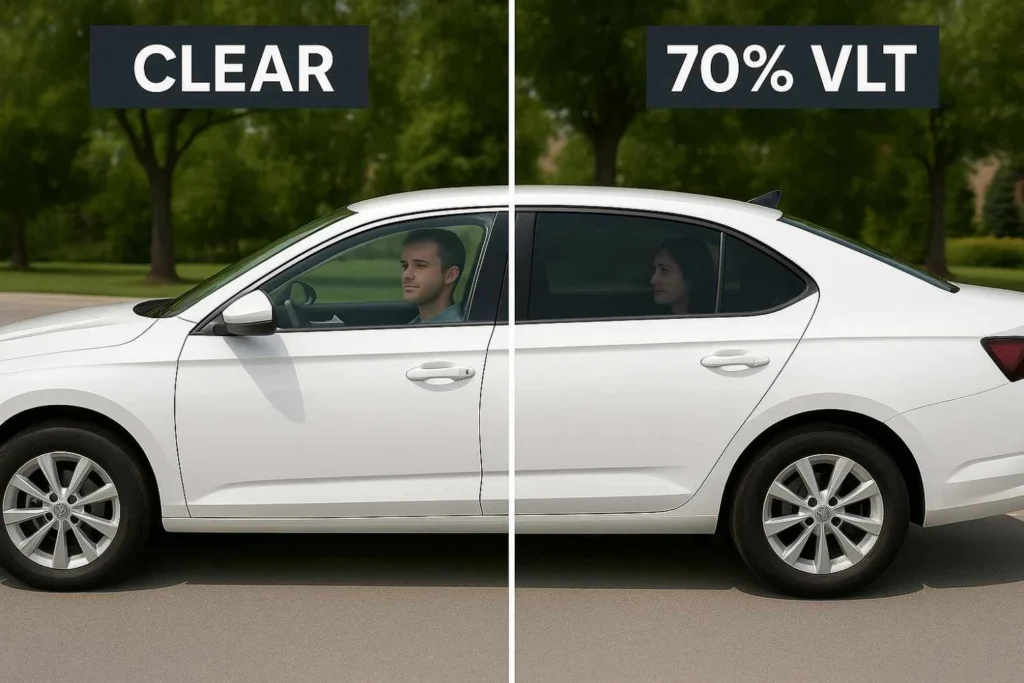
In India, the law requires a minimum of 70% VLT for front and rear windshields and 50% VLT for side windows. This is why quality films designed for the Indian market are calibrated precisely to these thresholds, giving you maximum heat protection while staying completely within the legal limit.
IRR - Infrared Rejection
IRR tells you how much of the heat-causing infrared energy the film blocks. This is the most important number when it comes to keeping your cabin cool. A film with 90% IRR blocks 9 out of every 10 units of infrared radiation, meaning your car stays dramatically cooler, your AC works less hard and you use less fuel.
UVR - Ultraviolet Rejection
UVR measures how much ultraviolet radiation the film blocks. Premium films achieve 99% UVR, essentially blocking almost all UV rays. This protects your skin during long drives and prevents your dashboard, leather seats and interior trim from fading, cracking or deteriorating over time.
TSER - Total Solar Energy Rejection
TSER is the big-picture number. It tells you what percentage of the sun’s total energy, visible light, infrared and UV combined, the film rejects. A TSER of 50% means half the sun’s total energy is kept outside your cabin. This is the number that best reflects the real-world cooling performance of a film.
Modern ceramic window films combine strong performance across all four of these metrics, high IRR, high UVR and a solid TSER, all while maintaining the legally required VLT.
Types of Window Films: From Basic to Best
Not all films are built the same. As the technology has evolved over the decades, each generation of window film has improved on what came before. Here is a quick breakdown.
Dyed Films
The earliest type of window tint, dyed films, works by using layers of dye to absorb solar energy. They are the most affordable option and do provide some degree of shade and privacy. However, dyed films offer limited infrared rejection; they tend to fade to a purple tint over time and they provide relatively little heat protection compared to modern alternatives. For a country like India with intense year-round sun, dyed films are generally not the right choice for long-term use.
Metalised Films
Metalised films use tiny metal particles embedded in the film to reflect solar energy. They perform better than dyed films at heat rejection, typically achieving 50 to 60% IRR. However, the metal content creates a more reflective appearance and, more importantly, it can interfere with GPS signals, mobile networks and radio reception. Many drivers find this a dealbreaker. Some people call them blue film for car windows because of their characteristic metallic sheen.
Carbon Films
Carbon films were a significant leap forward. Using carbon particles instead of metal, they deliver solid heat rejection (typically around 40% IRR) with a clean matte finish and, importantly, they cause zero signal interference. They are more durable than dyed films and do not fade over time. Aegis K70 Carbon Window Film is built on this technology, offering an excellent balance of performance, aesthetics and value.
Ceramic Films
Ceramic films are the current gold standard. They use nano-ceramic particles, tiny, non-conductive, non-metallic ceramic compounds, to deliver exceptional heat rejection, often reaching 90% IRR and 70% TSER, while maintaining the high VLT required by Indian regulations. They block 99% of UV rays, cause no signal interference and are built to last. Aegis CX70 Ceramic Window Film and the premium Aegis IRX Sun Protection Film are both in this category, engineered specifically for India’s demanding climate.
Expert Trivia: While your car’s factory glass blocks most UVB rays, UVA rays pass through almost completely and UVA is the type linked to skin ageing and long-term damage from chronic exposure. Premium ceramic films block both types, giving you comprehensive protection on every drive.
How Window Films Keep Glare Away
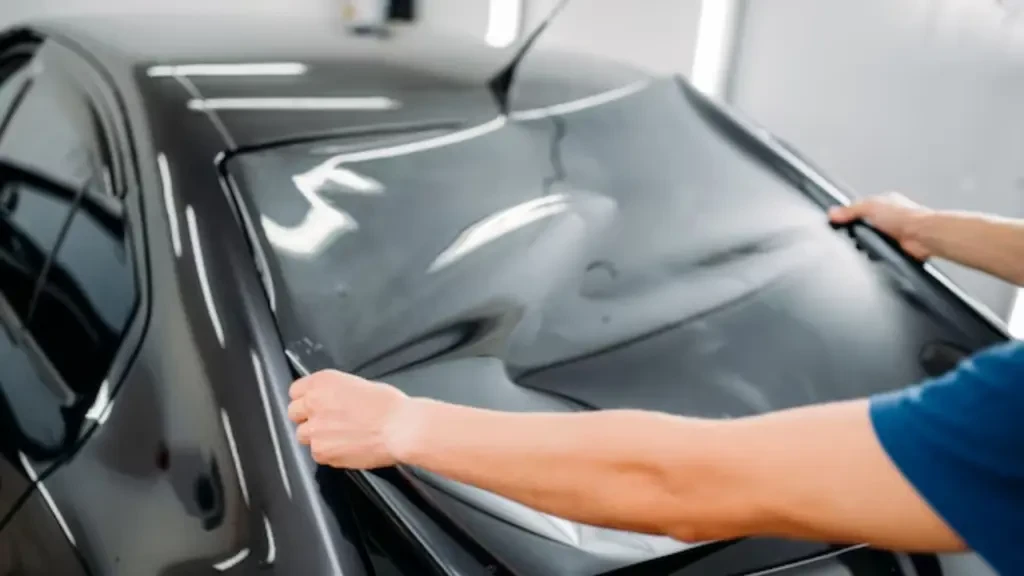
Glare is one of those things drivers underestimate until it nearly causes an accident. Whether it is the afternoon sun hitting your windshield at a low angle or oncoming headlights blinding you at night, glare causes real eye strain and slows your reaction time.
A quality safety glazing film addresses glare through selective light filtration. By controlling the transmission of visible light, particularly the intense, concentrated bursts that cause glare, the film diffuses that energy before it reaches your eyes. The result is a softer, more comfortable level of light inside the cabin without compromising your ability to see the road clearly.
It is worth noting that cheap dark films can actually make night driving more dangerous by reducing overall visibility. This is exactly why the VLT standard exists: properly engineered films with 70% VLT on the windshield reduce glare while maintaining safe visibility, day and night.
Window Films and the Law in India
This is the section that most car owners get confused about and understandably so. Let us break it down as simply as possible.
What the Supreme Court and CMVR Say
In 2012, the Supreme Court of India issued a ruling prohibiting dark or opaque-tinted films on vehicle glass. The intent was to improve visibility and deter misuse of tinted windows. Since then, the Central Motor Vehicles Rules (CMVR), Rule 100(2), along with Indian Standard IS: 2553 (Part 2), 1992, set out the specific compliance requirements:
- Front and rear windshields: Minimum 70% VLT. No aftermarket tint allowed except factory-fitted UV-cut glass or compliant safety glazing film.
- Side windows: Minimum 50% VLT.
These rules apply uniformly across India. State-level enforcement may vary, but the national standard is clear.
What Happens If You Are Non-Compliant?
Using films that do not meet VLT requirements can result in fines ranging from ₹1,000 to ₹5,000, depending on your state, on-the-spot removal of the film during police checks and repeat offences potentially leading to higher penalties or licence-related consequences.
How to Stay Fully Compliant
The simplest approach is to choose a film that is explicitly tested and certified against CMVR requirements. Sun protection films, including the K70 Carbon, CX70 Ceramic and IRX, are fully compliant with CMVR Rule 100(2) and IS: 2553 (Part 2), 1992. They are calibrated to the 70% VLT standard for windshields and 50% for side windows and CarzSpa’s trained installers verify compliance at every step of the installation.
Aegis Sun Protection Films at CarzSpa
Aegis Films is built by the same team behind India’s most trusted paint protection films. Developed with a deep understanding of Indian weather conditions, from the dry heat of Rajasthan to the coastal humidity of Mumbai and Kochi, they are engineered to perform where it matters most.
CarzSpa currently offers three Aegis car window film products, each suited to different needs and budgets.
Aegis K70 Carbon Window Film
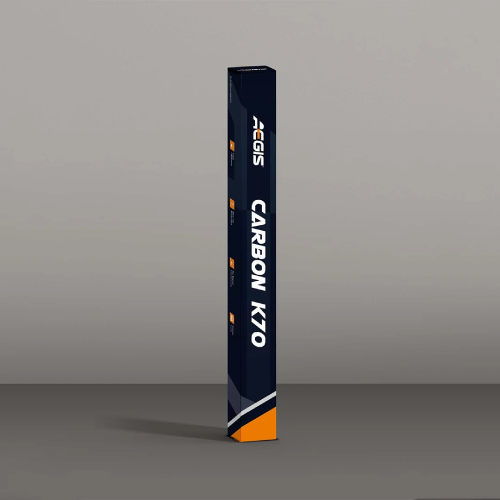
The K70 is built on carbon film technology, delivering excellent heat reduction and UV protection with a sophisticated matte finish that gives your car a clean, polished look. It is completely signal-friendly, with no interference with GPS, mobile networks or radio and easy to maintain.
- VLT: 73% | IRR: 40% | UVR: 99% | TSER: 35%
- Warranty: 5 years
- Best for: Drivers who want a style upgrade and reliable UV and heat protection at a strong value.
| Aegis K70 Carbon — Package | Rs./Sqft | Medium Vehicle | Large Vehicle |
|---|---|---|---|
Full Car Coverage | ₹200 | ₹9,000 | ₹11,000 |
Front Windshield | ₹200 | ₹3,000 | ₹4,000 |
Rear Windshield | ₹200 | ₹2,000 | ₹2,000 |
All Side Windows | ₹200 | ₹4,000 | ₹5,000 |
Note: The prices are approximate costs of the product, calculated on the basis of the window sizes available online. These prices do not include application and installation costs. They are subject to change with additional costs incurred, if any, during the application. Final pricing may vary by city and studio.
Aegis CX70 Ceramic Window Film
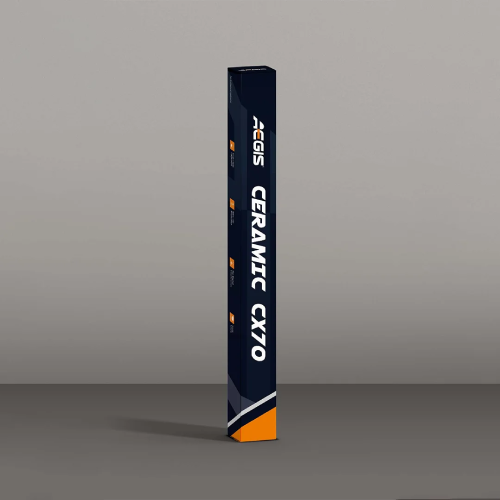
The CX70 steps up to advanced nano-ceramic technology. With 90% IRR and 99% UV rejection, it keeps your cabin noticeably cooler even on peak summer days. It also provides superior glare reduction for more comfortable driving, whether you are inching through Bengaluru traffic or cruising on the Delhi-Jaipur expressway. The 70% VLT ensures you remain fully CMVR compliant.
- VLT: 70% | IRR: 90% | UVR: 99% | TSER: 50%
- Warranty: 10 years
- Best for: Drivers who want maximum heat rejection and UV protection with long-term durability.
| Aegis CX70 Ceramic — Package | Rs./Sqft | Medium Vehicle | Large Vehicle |
|---|---|---|---|
Full Car Coverage | ₹350 | ₹15,750 | ₹19,250 |
Front Windshield | ₹350 | ₹5,250 | ₹7,000 |
Rear Windshield | ₹350 | ₹3,500 | ₹3,500 |
All Side Windows | ₹350 | ₹7,000 | ₹8,750 |
Note: The prices are approximate costs of the product, calculated on the basis of the window sizes available online. These prices do not include application and installation costs. They are subject to change with additional costs incurred, if any, during the application. Final pricing may vary by city and studio.
Aegis IRX Sun Protection Film
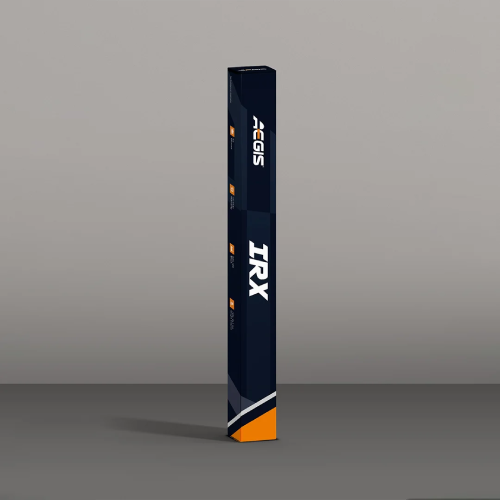
The IRX is Aegis’s flagship window film — built for those who want the absolute best in thermal comfort. With 99% IR rejection, it is the most powerful heat-rejecting film in the range. At 55 microns and a 70% VLT, it combines maximum protection with total legal compliance. If you spend a lot of time on the road, drive an SUV with a large glass area or simply want your car to feel cooler than a well-air-conditioned room even in peak May heat, the IRX is the one.
- IRR: 99% | VLT: 70% | Thickness: 55 microns
- Warranty: 10 years
- Signal interference: None
- Best for: Drivers seeking the highest level of heat rejection available, especially in hot climates or larger vehicles.
| Aegis IRX — Package | Rs./Sqft | Medium Vehicle | Large Vehicle |
|---|---|---|---|
Full Car Coverage | ₹450 | ₹27,000 | ₹33,000 |
Front Windshield | ₹450 | ₹9,000 | ₹12,000 |
Rear Windshield | ₹450 | ₹6,000 | ₹6,000 |
All Side Windows | ₹450 | ₹12,000 | ₹15,000 |
Note: The prices are approximate costs of the product, calculated on the basis of the window sizes available online. These prices do not include application and installation costs. They are subject to change with additional costs incurred, if any, during the application. Final pricing may vary by city and studio.
All three Aegis sun control films are exclusively available at CarzSpa Detailing Studios across India and Nepal. Installation is done by trained professionals who ensure a bubble-free application and verify compliance at every step.
Maintenance Tips to Keep Your Film Intact
A good film is an investment and a little care goes a long way in keeping it looking and performing like new.
- Wait before cleaning: After installation, keep your windows rolled up for at least 2 to 6 days. This gives the adhesive time to cure and bond properly to the glass.
- Use ammonia-free cleaners only: Ammonia-based cleaners break down the adhesive layer over time and can cause the film to bubble or peel. A simple mix of mild soap and water or a dedicated ammonia-free glass cleaner is all you need.
- Avoid sharp objects: Scratches on the film weaken its protective layers. Use only soft microfibre cloths when cleaning.
- Inspect the edges periodically: Check the edges of your film every few months for early signs of lifting or bubbling. Catching a small issue early means it can be fixed before it becomes a larger problem.
To Conclude...
A car window film is not just a cosmetic upgrade. It is a scientifically engineered product that changes the way your car manages heat, light and UV radiation. The right film keeps your cabin cooler, protects your skin and your interior, reduces glare on the road and does all of this within the legal framework set by Indian regulations.
Aegis Sun Protection Films by CarzSpa, the K70 Carbon, CX70 Ceramic and IRX, are built specifically for Indian roads and Indian summers. They combine cutting-edge technology with full CMVR compliance and are installed by certified professionals at over 150 CarzSpa studios across the country.
If you have been putting off this upgrade, there is no better time than right before the summer peaks. Visit your nearest CarzSpa Detailing Studio and let our experts help you find the film that fits your car, your climate and your budget.
Frequently Asked Questions
1. Are car window films legal in India?
Yes, window films are legal in India when they comply with CMVR Rule 100(2). The front and rear windshields must maintain a minimum of 70% Visible Light Transmission (VLT) and side windows must have at least 50% VLT.
2. What is the difference between IRR and TSER?
IRR (Infrared Rejection) measures how much of the heat-causing infrared radiation is blocked. TSER (Total Solar Energy Rejection) is the broader figure; it reflects how much of the sun’s total energy, including visible light and UV, is rejected by the film.
3. Will a window film make my car too dark to drive at night?
Not if you choose a film with the correct VLT. Car window films that are calibrated to 70% VLT on windshields, which means 70% of visible light still passes through, are the legal requirement and are designed to be safe for both day and night driving.
4. Will ceramic window films interfere with my GPS or mobile signal?
No. Ceramic and carbon films like the Aegis K70, CX70 and IRX use non-metallic technology. Unlike older metalised films, they cause zero interference with GPS, mobile phone networks or radio reception.
5. How soon can I roll down my windows after getting the film installed?
We recommend keeping your windows rolled up for at least 2 days after installation. This curing period allows the adhesive to fully bond to the glass, ensuring a long-lasting, bubble-free result.
Share: