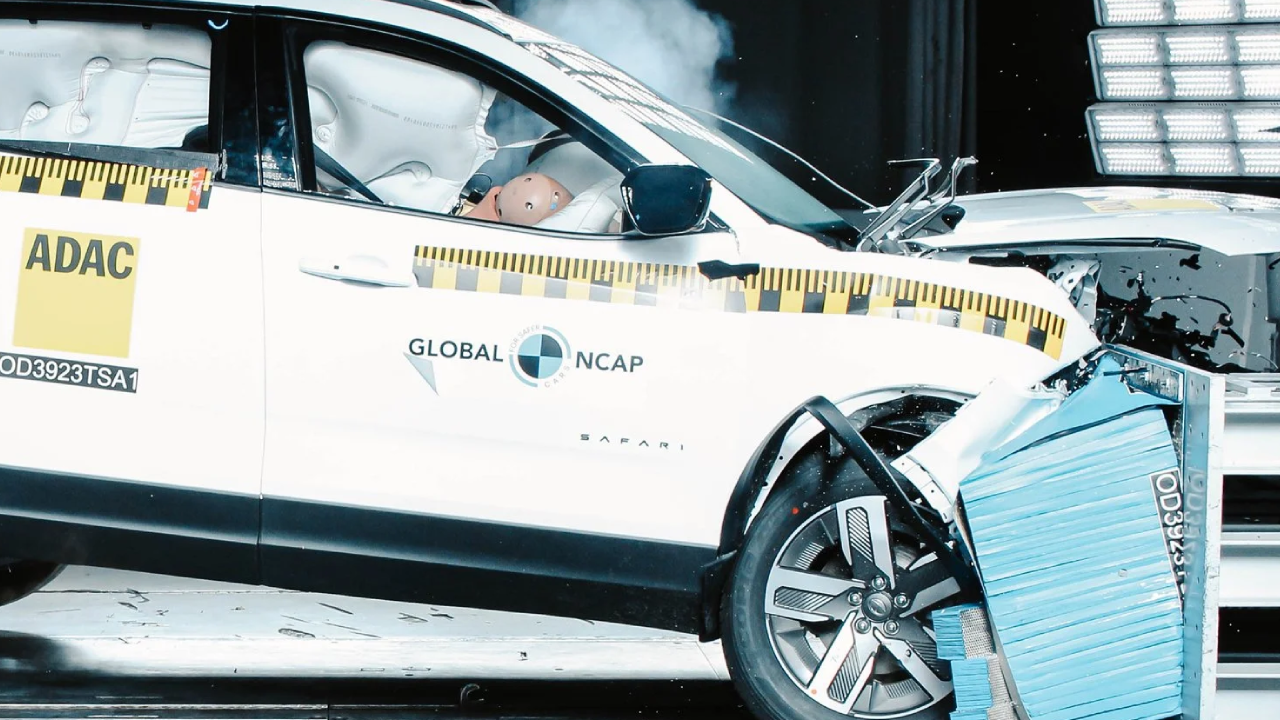
When you drive your new car out of the showroom, that new car high is at its peak. However, on Indian roads, your brand-new car is under constant threat. From flying gravel on highways to the bad parking in our congested cities, your vehicle faces environmental and physical hazards. This is why more car owners than ever are investing in a paint protection film. It’s not just about aesthetics; it’s a strategic move to protect your car’s new look and its original paint during its lifetime, while making its maintenance easier.
But once you decide to protect your ride, you face a critical decision: Should you wrap every single panel or just the areas most likely to take a hit? The “Full Body vs. Partial Coverage” debate is one of the most frequent discussions we have at our studios. In this guide, we’ll break down exactly what each option offers, the hidden costs involved, and how to choose the right car PPF coverage based on your driving habits and budget. By the end, you’ll know exactly which shield is right for your automotive investment.
Table of Contents
What is Paint Protection Film (PPF)?
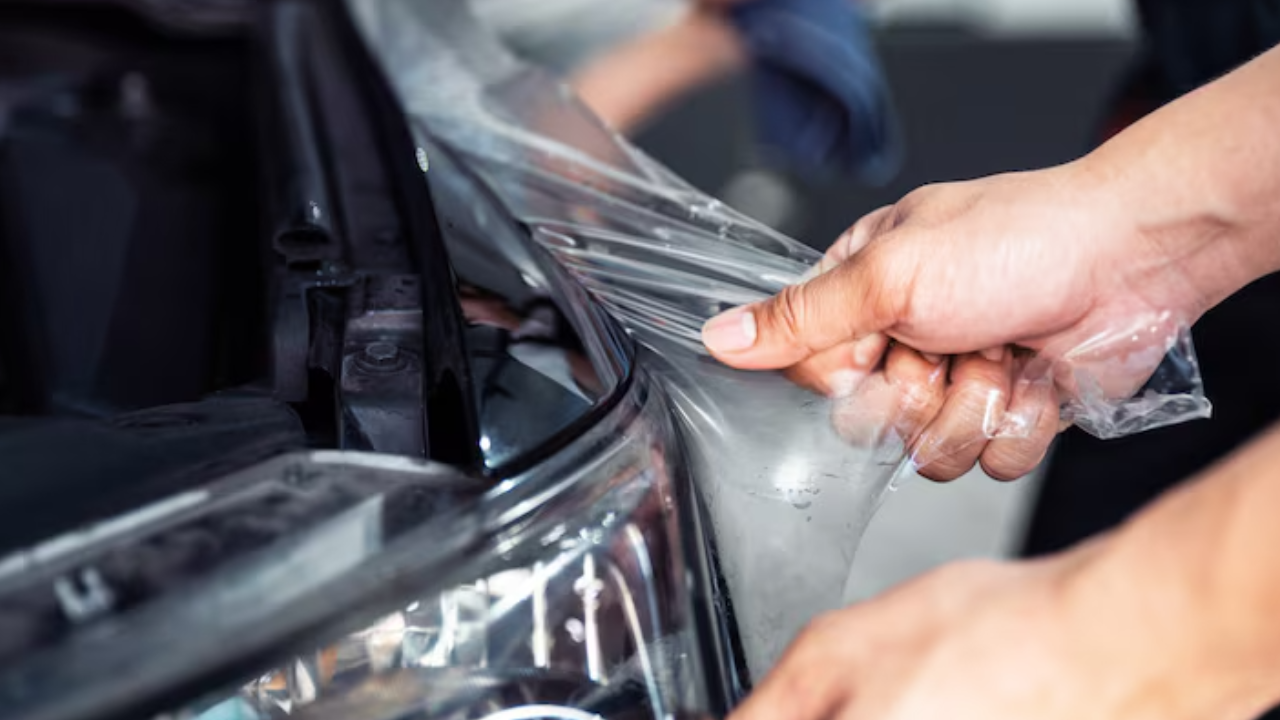
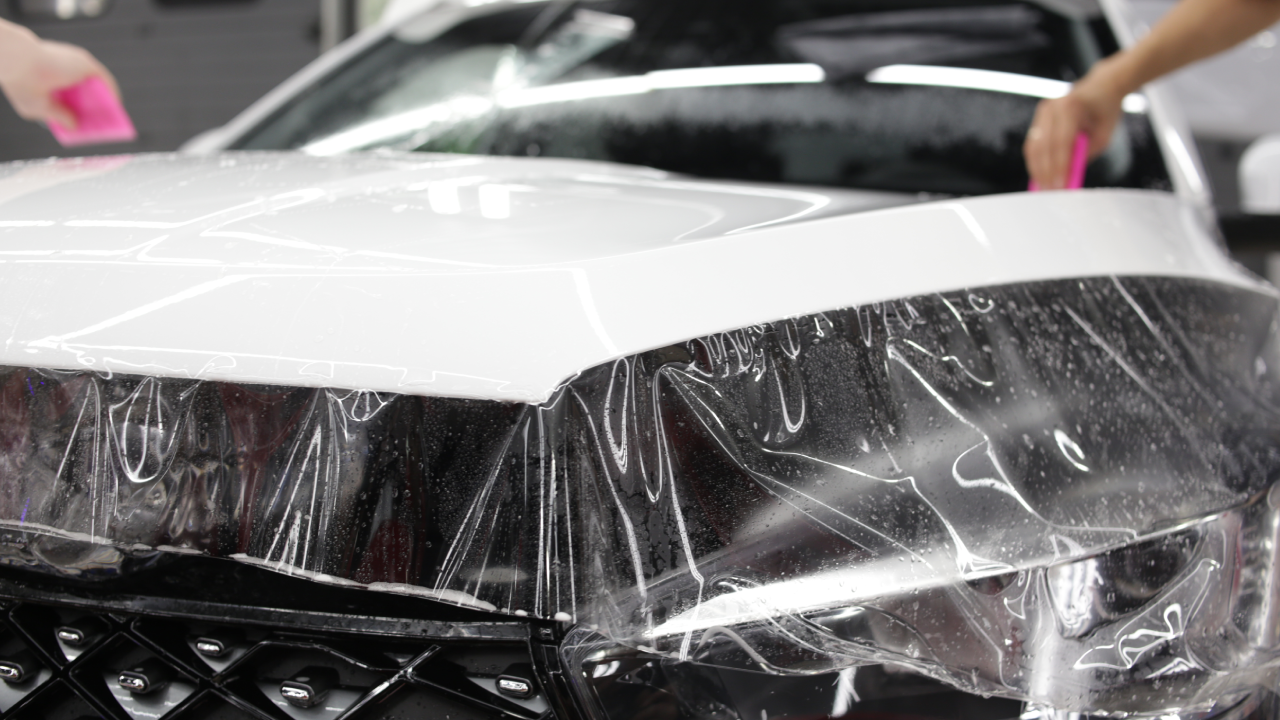
At its core, paint protection film is a high-tech, transparent layer of Thermoplastic Polyurethane (TPU) that acts as a sacrificial skin for your vehicle. Think of it as a transparent suit of armour; it is engineered to absorb the energy of stone chips, deflect road debris and guard against the harsh Indian sun. Unlike traditional waxes or sealants, a PPF coating offers a physical thickness that can “self-heal” minor swirl marks and scratches when exposed to heat. This advanced car paint protection technology ensures that bird droppings, tree sap, and acid rain never touch your factory clear coat. It is the ultimate invisible guardian, designed to keep your car’s finish looking flawlessly showroom-new for years to come.
What is Full Body PPF?
A full-body PPF involves wrapping every single painted surface of the vehicle in a high-grade car paint protection film. This ensures that no panel is left vulnerable to road conditions.
Areas Covered in a Full Body Wrap
When we say “full body,” we mean every inch of the exterior painted surface, including:
- The High-Impact Front: Hood, front bumper, and fenders.
- The Side Profile: All doors, rocker panels, and side mirrors.
- The Upper Surfaces: Roof and pillars (crucial for protection against bird droppings and UV rays).
- The Rear Section: Trunk/boot lid and the rear bumper.
Benefits of Full Body PPF
- Maximum Paint Protection: Every panel is guarded against stone chips, key scratches, and environmental etching.
- Uniform Gloss Finish: Since the entire car is wrapped, the depth and shine are perfectly consistent across the whole vehicle, avoiding any “patchy” look.
- Self-Healing Technology: Those annoying swirl marks from dusty cleaning cloths vanish with a bit of heat, keeping the car looking brand new.
- Higher Resale Value: Buyers are willing to pay a premium for a car with 100% original factory paint preserved under film.
- Long-Term Peace of Mind: You no longer have to wince every time you park in a public spot or drive through a construction zone.
Drawbacks to Consider
- Higher Installation Cost: Because it requires more material and significantly more labour, the upfront investment is higher than partial kits.
- Longer Installation Time: A meticulous full-body application can take 4–6 days, as each edge must be precisely tucked for a seamless finish.
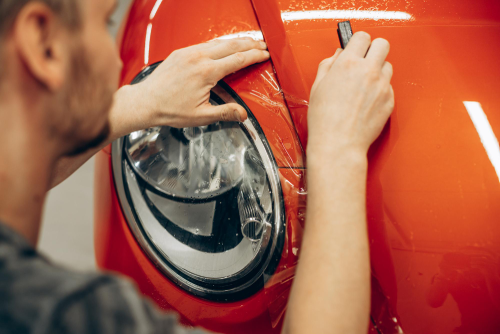
What is Partial PPF Coverage?
Partial PPF focuses exclusively on the sections of the vehicle that are most likely to sustain damage during daily driving, instead of wrapping the entire car.
Common Areas Covered
A standard “Front-End Kit” or partial package usually includes:
- The Front Face: Front bumper and front fenders.
- The Hood: Often applied as a “partial hood” (covering the leading 12–24 inches) or a full hood wrap.
- Side Mirrors: To prevent chips from stones kicked up by other vehicles.
- Door Edges: To guard against dings in tight parking spaces.
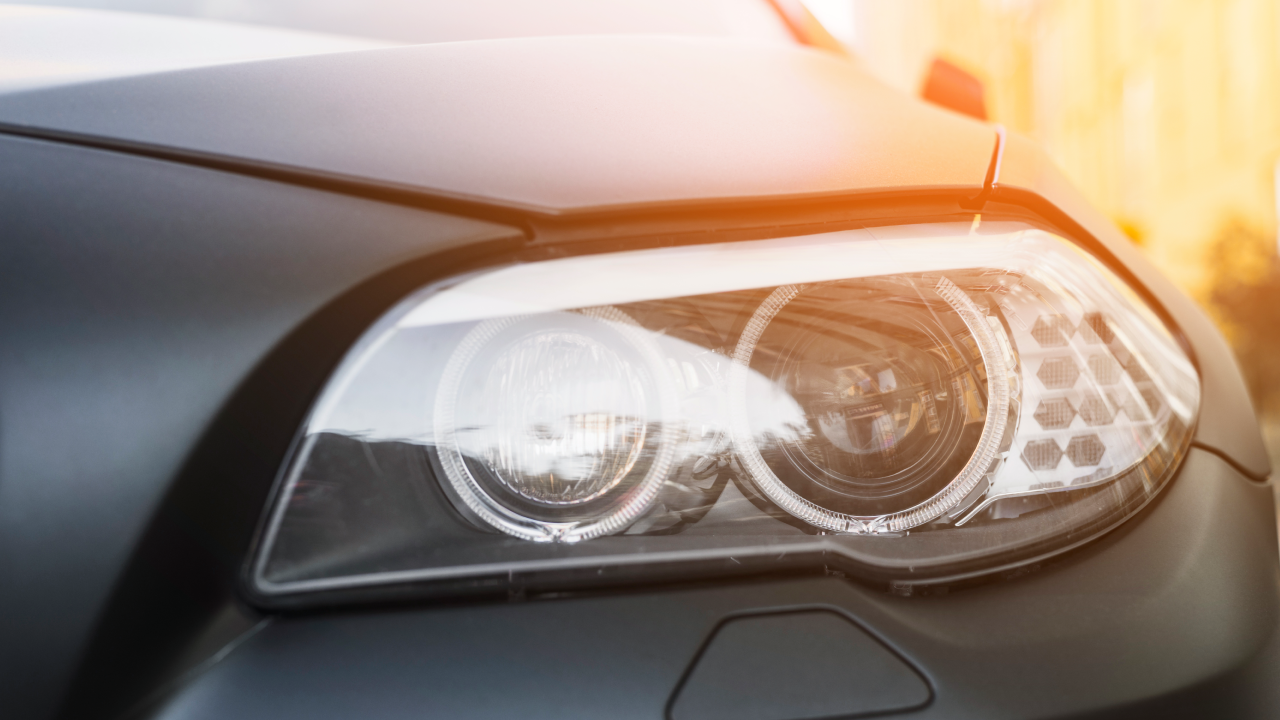
- Headlights: Protecting expensive LED or laser units from pitting and oxidation.
Benefits of Partial PPF
- Budget-Friendly Option: It allows you to protect your car at a fraction of the cost of a full wrap, making it accessible for a wider range of vehicles.
- Protects Most Vulnerable Areas: It effectively shields the spots that statistically receive 80% of road-related paint damage.
- Faster Installation: Since fewer panels are involved, the process can often be completed in just 1–2 days.
Drawbacks to Consider
- Visible Film Lines: Because the film has a physical thickness, there is often a faint visible line where the film ends on the hood or fenders, which can trap dust over time.
- Remaining Areas Still Exposed: Your doors, roof, and rear sections remain vulnerable to key scratches, bird droppings, and “parking lot surprises.”
- Less Resale Value Protection: While it helps, a buyer may still negotiate the price down if the unprotected rear panels have accumulated swirl marks or fading.
Full Body PPF vs Partial PPF
While partial PPF is an excellent entry-level solution for shielding the face of your vehicle from road debris, full body PPF offers a comprehensive, seamless finish that protects every single panel from the unpredictable chaos of Indian roads.
| Feature | Full Body PPF | Partial PPF |
|---|---|---|
Coverage | Entire car | High-impact areas |
Protection Level | Maximum | Moderate |
Cost | Higher | Lower |
Appearance | Seamless finish | Possible film lines |
Resale Value | Higher | Moderate |
Factors to Consider: Full Body PPF vs Partial PPF
When choosing between a full-body PPF and a partial PPF kit, understanding what drives the cost is essential for making a smart investment. In the Indian market, the price isn’t just about the surface area covered; it’s a combination of material science and technical craftsmanship.
Factors Affecting the Price
- Car Size: Naturally, a luxury sedan or a full-sized SUV requires significantly more paint protection film than a compact hatchback, directly impacting the material cost.
- Film Brand: High-performance brands like Aegis PPF use advanced TPU and polycarbonate layers. While these come at a premium compared to generic films, they offer superior self-healing and clarity.
- Installer Expertise: You aren’t just paying for the film; you are paying for the skill. Expert detailers at CarzSpa ensure edges are tucked seamlessly and surfaces are perfectly prepped, which prevents peeling and bubbling down the line.
- Warranty: Premium packages often include a Pan-India warranty. A longer, more comprehensive warranty period typically reflects the higher quality and durability of the film used.
Typical Price Ranges in India
While prices vary based on the factors above, here is a general expectation:
- Partial Coverage: These kits are more accessible, generally ranging from ₹40,000 to ₹75,000, depending on the number of high-impact panels protected.
- Full Body Coverage: For a complete, 360-degree shield, prices usually start from ₹1,20,000 and can go upwards of ₹2,50,000 for premium, high-thickness films (like the 400-micron Aegis Eternal) on larger luxury vehicles.
Which Option is Best for You?
Choose Full Body PPF if:
- You own a luxury or brand-new car: If you’ve just invested in a high-end vehicle, protecting the entire factory finish is the best way to maintain its “showroom” status.
- You want complete protection: If the thought of a stray scratch on a door or a bird dropping etching your roof keeps you up at night, a 360-degree PPF coating is the only way to go.
- You plan to keep the car long-term: If you intend to drive your car for 5 to 10 years, full coverage ensures the paint ages uniformly and remains pristine for whenever you eventually decide to sell.
Choose Partial PPF if:
- You are on a limited budget: If you want professional-grade car paint protection but need to manage your upfront costs, a front-end kit is a smart, economical compromise.
- You mainly want front protection: If your primary concern is highway driving where stone chips and debris are mostly projected at the front of the car.
- Your car is used for daily commuting: For a “workhorse” vehicle that faces heavy traffic, protecting the most vulnerable high-impact zones provides significant value without the full-body investment.
When Should You Install PPF?
Right After Buying a New Car
The absolute best time to install a paint protection film is the very day you take delivery from the showroom. At this stage, the factory paint is in its most pristine condition, free from swirl marks, chemical etching, and deep scratches.
Why Early Protection Matters
Every kilometre driven without a car paint protection film increases the risk of permanent damage. Even the drive from the dealership to your home can result in a stray stone chip. Installing PPF on car panels early ensures that the “new” paint remains untouched, making your car look brand new for years to come.
PPF Maintenance Tips
While the film is designed to be tough, following a specialised care routine ensures that the self-healing properties and gloss remain active for years. Here is how you can keep your PPF for car surfaces in top-tier condition:
- Washing Recommendations: Always wait at least 48 to 72 hours after installation before your first wash to allow the adhesive to fully bond. When you do wash, use the two-bucket method and a pH-neutral shampoo. Avoid high-pressure washers near the edges of the film, as the force can cause lifting.
- Avoid Harsh Chemicals: Steer clear of petroleum-based cleaners, degreasers, or abrasive polishes. These can dull the finish of the car paint protection film and interfere with its ability to self-heal.
- Ceramic Coating on PPF: For the ultimate “shield on a shield,” we recommend applying a specialised coating over your film. Crystalshield Marvel is our go-to solution at CarzSpa; it adds an extra layer of hydrophobicity and chemical resistance, making the film even easier to clean and significantly more glossy.
- Professional Inspections: Visit a CarzSpa studio every few months for a professional inspection. Our experts can deep-clean the edges and ensure that your paint protection film is performing exactly as it should, preserving your warranty and your car’s look.
Why Choose Aegis PPF?
Aegis PPF is designed specifically for the extreme conditions of the Indian subcontinent, from the searing heat of the deserts to the humid, salt-heavy coastal air.
- Unmatched Thickness: While standard films are thin, the Aegis XG Series offers industry-leading thickness, including the Aegis Eternal 400, which at 400 microns is the thickest and toughest protection available in the country.
- True TPU Performance: Aegis uses high-grade Thermoplastic Polyurethane, ensuring that your car PPF remains flexible, non-yellowing and possesses superior self-healing capabilities that make swirl marks disappear in the sun.
- Aegis Prism Coloured PPF: For those who want to change their vehicle’s look without the risks of a traditional wrap, our coloured PPF offers 50+ stunning shades that combine high-end aesthetics with the rugged protection of a premium film.
- Pan-India Warranty: With a presence in 125+ CarzSpa Detailing Studios, you aren’t just buying a product; you’re buying a service network that follows you wherever you travel across India and Nepal.
Ranked at the top among the best PPF brands in India and globally, Aegis PPF is exclusively available at CarzSpa Detailing Studios across India.
Concluding Thoughts
The debate between full body and partial coverage ultimately comes down to your “risk appetite.” If your car is a weekend warrior that stays mostly in a garage, partial coverage might suffice. But if your car is a daily driver navigating the beautiful chaos of Indian roads, full body coverage is the only way to truly “set it and forget it.”
Don’t let a “partial” decision lead to a “full-scale” regret. Visit a CarzSpa Detailing Studio today to see the difference between a partial kit and a full-body Aegis PPF installation. Protect your investment, preserve your peace of mind, and keep that showroom shine for a lifetime.
Frequently Asked Questions
1. Can I start with partial and upgrade to full body later?
Yes, but keep in mind that the “exposed” panels may develop swirl marks or fading in the meantime. We would need to perform intensive paint correction on those panels before applying the remaining paint protection film to ensure a perfect, uniform look.
2. Does full body PPF affect the car’s colour?
Not at all. A high-quality, clear car PPF like Aegis is virtually invisible and actually enhances the depth and gloss of your paint. If you want a change, you can opt for Aegis Prism Coloured PPF to get a new look with the same protection.
3. Is the roof included in a full-body package?
Typically, yes. In India, the roof is a major victim of UV damage and bird droppings. A full-body PPF coating includes every painted surface, providing a complete 360-degree shield against environmental hazards and chemical etching.
Share: