
You pull up to your regular petrol pump and there it is, a bright green sticker on the nozzle that reads “E20.” You’ve heard the buzz in the news: India has accelerated its ethanol blending targets and suddenly, the “standard” petrol you’ve used for years is different. While the government touts this as a win for the environment and a way to slash oil imports, you, the car owner, are left with a sinking feeling in your gut.
Will this new ethanol-blended petrol eat through your fuel lines? Why does your mid-range hatchback suddenly feel sluggish on the highway? This is the new reality for Indian car owners in 2026. The shift to E20 fuel isn’t just a policy change; it’s a mechanical shift that affects everything from your monthly fuel bill to your engine’s long-term health. Whether you’re driving a brand-new BS6 Phase 2 SUV or a decade-old family sedan, understanding the “Ethanol Economics” is no longer optional; it’s essential for your car’s survival.
Table of Contents
- The Technical Shift: What Exactly is E20?
- The Compatibility Matrix: Is Your Car at Risk?
- The Real Impact on Your Wallet: Mileage vs. Price
- Engine Corrosion & The “Hygroscopic” Nightmare
- Protecting Your Investment: Maintenance Hacks for the E20 Era
- Warranty & Insurance: The Fine Print You Can’t Ignore
- Why CarzSpa Cares
- Final Thoughts
- FAQs
What Exactly is E20?
To protect your car, you must first understand the fuel. E20 fuel is a blend of 80% fossil-fuel petrol and 20% anhydrous ethanol. In India, this ethanol is primarily a “first-generation” biofuel derived from sugarcane molasses and agricultural waste.
Ethanol is chemically an alcohol (C2H5OH), which makes it vastly different from pure hydrocarbons.
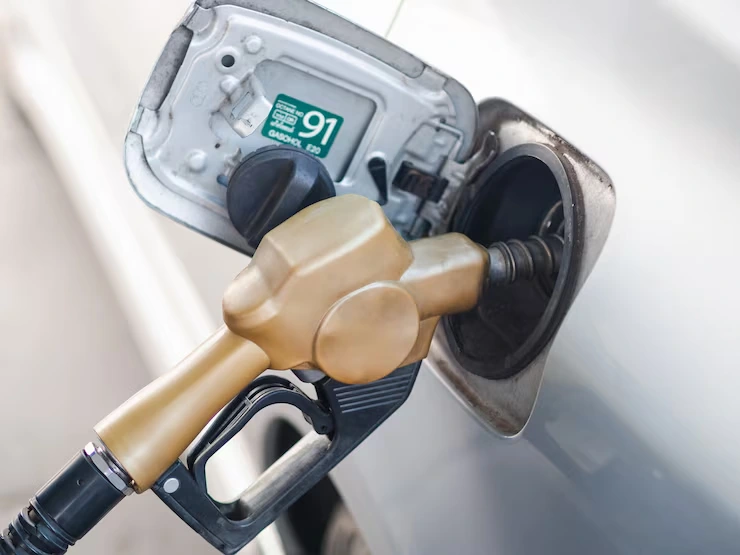
The Octane Boost: Ethanol has a high natural octane rating (around 108). Blending it into petrol actually raises the overall octane of standard fuel from 91 to 95. This is why some modern engines might feel “smoother” initially.
The Energy Deficit: Here is the catch, ethanol contains about 33% less energy density than pure petrol. When you blend it at 20%, you are effectively reducing the “punch” in every liter of fuel.
The Solvent Effect: Ethanol is a powerful solvent. It cleans out old deposits in your fuel tank, which sounds good until you realize those deposits end up clogging your fuel filter and injectors.
The Compatibility Matrix: Is Your Car at Risk?
The impact of ethanol blending is not uniform. In 2026, the Indian car park is divided into three distinct risk categories.
The Green Zone: Post-April 2023 Vehicles
If your car was manufactured after April 1, 2023, it is E20 compliant. Manufacturers like Maruti Suzuki, Tata, and Hyundai have upgraded the following:
- Fuel Injectors: Modified to handle higher flow rates (to compensate for lower energy).
- Seals & Hoses: Switched from standard rubber to Viton or high-grade synthetic elastomers that don’t swell or crack when exposed to alcohol.
- ECU Mapping: Recalibrated to adjust the Air-Fuel ratio in real-time.
| Year | Emission Norms |
|---|---|
1991 and 1992 | Mass emission norms for petrol and diesel vehicles, respectively |
2000 | Bharat Stage norms are introduced |
2001 | Bharat Stage-II established in Delhi, Mumbai, Chennai, and Kolkata |
2002 | Auto Fuel Policy 2025 |
2005 | Bharat Stage-III in Delhi, Mumbai, Chennai, and Kolkata; Bharat Stage-II in the rest of the country |
2010 | Bharat Stage-IV in 13 metro cities; Bharat Stage-III in the rest of the country |
2014 | Bharat Stage-IV in 20 additional cities |
2017 | Bharat Stage-IV across the country |
2020 | Bharat Stage-VI across the country |
The Grey Zone: 2012 to 2023 Models
Most cars in this bracket were designed for E10 (10% ethanol). While they can run on E20, they are not optimized for it.
- The Risk: Premature hardening of fuel pump diaphragms and a steady 5–8% decline in performance.
- The Reality: These cars will likely survive the E20 era, but they will require more frequent “preventative” part replacements.
The Red Zone: Pre-2012 & Vintage Cars
These are the most vulnerable. Older fuel systems used “yellow metals” (brass/copper) and natural rubber.
- The Risk: Ethanol causes a chemical reaction that “pits” metal and turns rubber hoses into a gummy mess.
- The Danger: A ticking time bomb for the fuel pump and carburetor. If you own a classic or a pre-2012 city car, E20 is your engine’s worst enemy.
The Real Impact on Your Wallet: Mileage vs. Price
The biggest grievance among Indian car owners today is the “Hidden Ethanol Tax.” Even if the price at the pump stays the same, your “Cost Per Kilometre” is rising.
| Fuel Type | Energy Content | Expected Mileage Drop |
|---|---|---|
Pure Petrol (E0) | 100% | Baseline |
E10 Blend | 97% | 2-3% |
E20 Fuel | 94% | 6-12% |
If your Creta or Grand Vitara gave you 15 km/l on E10, expect it to drop to roughly 13.5 km/l on E20. In heavy city traffic like Bangalore or Mumbai, owners are reporting drops as high as 15%.
Engine Corrosion & The "Hygroscopic" Nightmare
The most dangerous word for a car owner in 2026 is Hygroscopic. Ethanol is a magnet for water; it literally pulls moisture out of the humidity in the air.
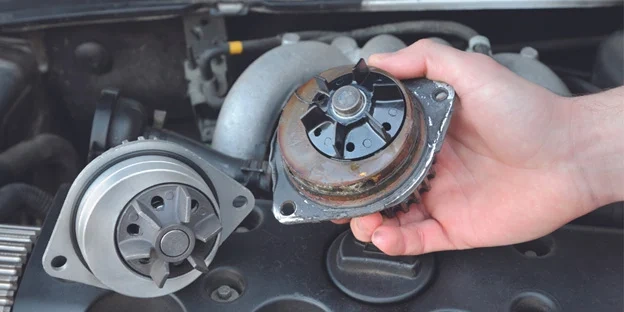
When this happens, a process called phase separation occurs. The water-ethanol mix becomes heavier than the petrol and settles at the bottom of your tank. If your car sits idle for two weeks, your fuel pump might suck up this “watery sludge” instead of petrol. This leads to:
- Engine Corrosion: Rusting of the metal fuel tank and lines.
- Clogged Injectors: Fine particles from degraded rubber seals are blocking fuel flow.
- Rough Idling: Incomplete combustion causes the car to shake at signals.
Protecting Your Investment: Maintenance Hacks for the E20 Era
You can’t change the fuel at the pump, but you can change your fuel system maintenance strategy.
- Don’t “Fill and Forget”: If you drive less than 20km a day, don’t keep a full tank for weeks. Fresh fuel is your best defence against moisture buildup.
- The Additive Detox: Use high-quality, ethanol-compatible fuel additives. These help stabilise the blend and prevent phase separation.
- Filter Checks: Move your fuel filter replacement from every 20,000 km to every 10,000 km. It’s a ₹500 part that saves a ₹50,000 engine repair.
- The “Premium” Secret: While expensive, high-octane fuels like IOCL’s XP100 often have lower ethanol content. If you own a luxury car that isn’t E20-ready, this is your safest bet.
Warranty & Insurance: The Fine Print You Can't Ignore
Will using E20 fuel void your vehicle warranty? It’s a legal grey area. Most manufacturers state that the warranty covers “manufacturing defects.” If you use E20 in an E10-rated car and your fuel pump fails, the dealer could technically argue “fuel contamination” or “unauthorised fuel use.”
Always check your owner’s manual. If it says “Up to E10 only,” and you experience engine trouble, be prepared for a difficult conversation with the service center. Always keep your fuel receipts; in case of a mass-failure, they are your only proof that you used regulated pump fuel.
Why CarzSpa Cares
Our experts at CarzSpa understands your concerns and confusion regarding this. And numerous franchise owners and our associated partners have made easy to understand explainers to help you make the right choice while purchasing your new car and choosing the right fuel for the longevity of your car.
Because when we say ‘Protect with CarzSpa’, we go much beyond paint protection film installation, car detailing and ceramic coating application. Its educating our community of car lovers about how to care for their car and make intelligent, informed decisions for its long life.
Final Thoughts
The transition to ethanol blending in India is an unstoppable train. It is a necessary step for the environment and the economy, but the mechanical burden has shifted to you, the owner. Being a “smart owner” in 2026 means realizing that the liquid powering your car has fundamentally changed. By adapting your maintenance habits and staying informed, you can ensure your car survives the E20 era and maintains its resale value for years to come. If you are about to purchase a new car, always check its fuel compatibility, secondly find the trustworthy fuel station or petrol pump where you know you will find the best quality fuel. And lastly, make sure you protect your car from day 1 with Aegis PPF from CarzSpa Detailing Studios.
Frequently Asked Questions
1. Can I still find E10 petrol in India?
As of late 2025, E10 has been largely phased out in favor of E20 fuel at most PSU pumps. You may find E10 or “unblended” petrol only at specific high-octane dispensers (like XP100), but expect to pay a significant premium for it.
2. Will E20 fuel damage my Maruti/Hyundai/Tata car immediately?
No, the damage is not instant. However, if your car is not BS6 Phase 2 compliant, you will likely see gradual engine corrosion and degradation of rubber components over 24-36 months of continuous use.
3. Does E20 improve performance?
Technically, yes. Ethanol has a higher octane rating, which prevents “knocking” and can lead to smoother acceleration in high-compression modern engines. However, this is usually offset by the lower fuel efficiency.
4. Should I get an ECU remap for E20?
If you have a car manufactured between 2015 and 2023, an ECU update from an authorised centre can help optimise the air-fuel ratio for the 20% blend, slightly improving mileage and reducing the risk of rough idling.
5. How do I know if my car is E20 compliant?
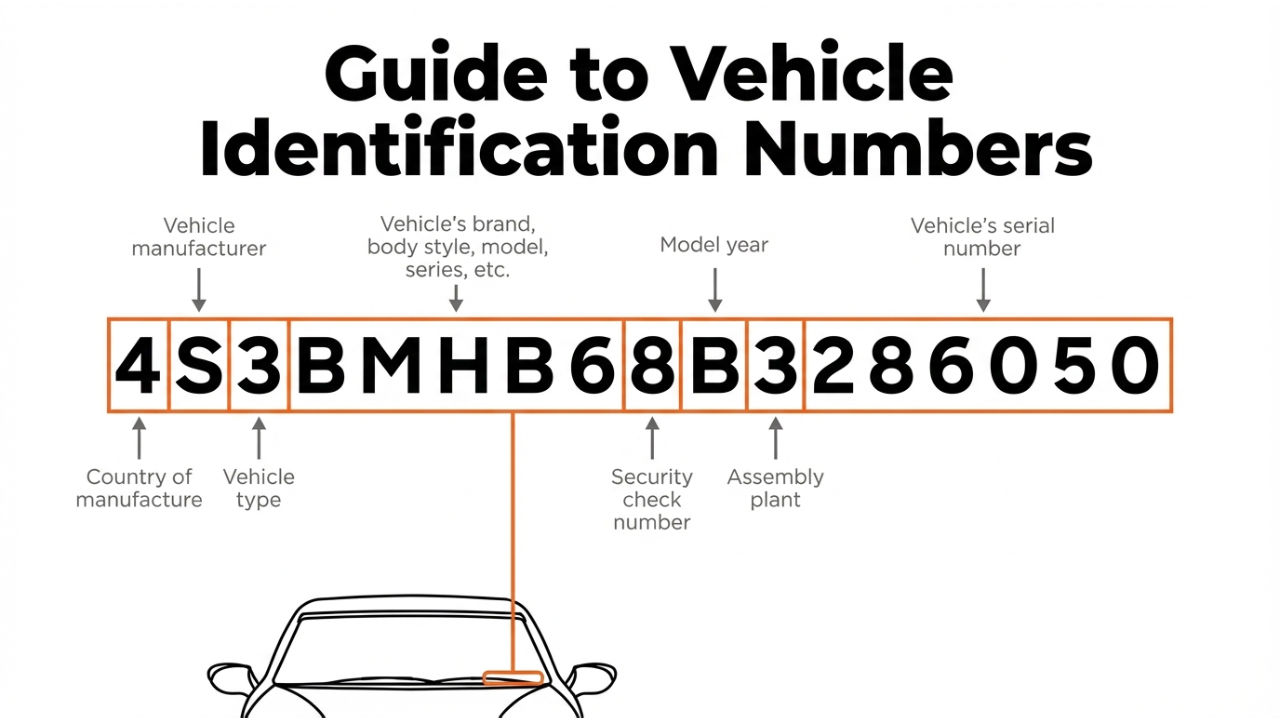
Check the inside of your fuel filler cap. E20-compliant cars will have a clear sticker. Alternatively, check your owner’s manual under “Fuel Specifications” or verify your VIN with an authorised service centre.
Share: