Driving in India is an adventure that demands your full attention, from navigating chaotic city traffic to cruising on the new expressways. However, nothing kills the joy of a drive faster than a mysterious glowing icon on your console. Understanding dashboard warning lights is not just about technical knowledge; it is about the safety of your family and the longevity of your investment.
We have seen thousands of vehicles enter our studios for premium care, and we’ve realised that many owners feel overwhelmed by these symbols. Whether it’s a standard notification or a critical BS6-specific alert, knowing how to react can save you from a massive repair bill or a dangerous breakdown. This guide breaks down every major symbol you need to know to ensure you stay in total control of your machine.
Table of Contents
- Check Engine
- Battery
- Coolant Temperature or Engine Overheating
- Oil Pressure Warning
- Low Tyre Pressure Monitoring
- Fuel Light
- Parking Brake System
- Anti-Lock Braking System (ABS)
- Transmission Temperature
- Seat Belt
- Fog Lights
- Headlights
- At CarzSpa, We Care
- Remember The Traffic Light Rule
- Concluding thoughts…
- Frequently Asked Questions
Check Engine
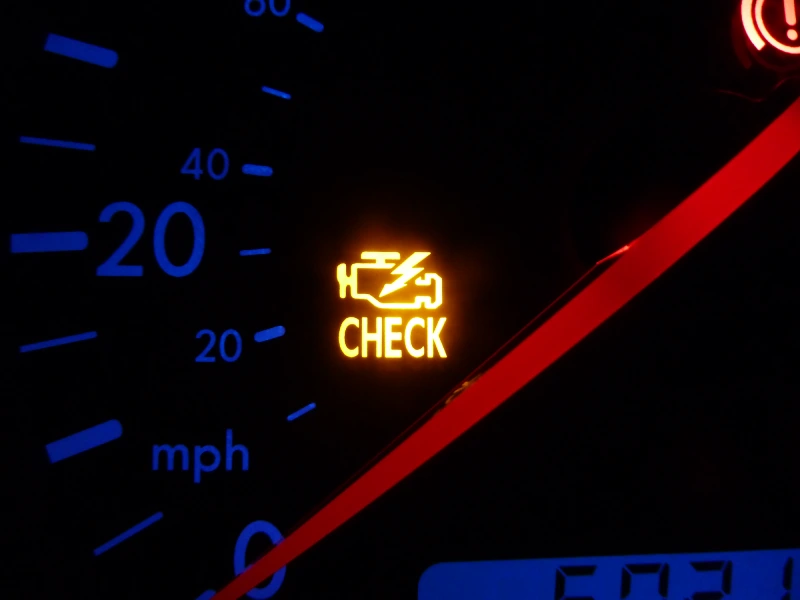
The “Check Engine” light is perhaps the most famous and misunderstood of all car dashboard lights. Shaped like a silhouetted engine, its appearance can range from a minor sensor glitch to a catastrophic failure. In the Indian context, this light often triggers due to poor fuel quality or a loose fuel cap, but it can also indicate a faulty catalytic converter or oxygen sensor. If the light is steady, you should visit a service centre soon. However, if it starts flashing, you must pull over immediately. A flashing check engine light indicates a serious engine misfire that could destroy your engine’s internals. We believe a healthy engine deserves a healthy exterior; while we protect your paint, these sensors protect your powertrain.
Battery
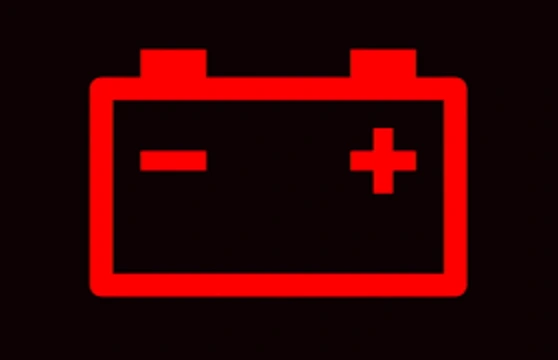
When the red battery symbol stays illuminated after the engine starts, your car is telling you that the electrical charging system is no longer functioning. Many Indian drivers mistakenly assume this always means the battery is dead. In reality, it often points to a faulty alternator, a snapped fan belt, or loose wiring. If this light pops up while you are driving, your car is running purely on the remaining juice in the battery. You should turn off the AC, radio, and any non-essential electronics to save power and head straight to a mechanic. Just as a weak battery drains the life from your car, neglect drains the value of your vehicle, which is why proactive maintenance is key.
Coolant Temperature or Engine Overheating

Represented by a thermometer dipping into waves, this is a critical red alert, especially during the scorching Indian summers. This light means your engine is operating at a temperature that could cause the metal components to warp or seize. If you see this, pull over safely, turn off the engine, and wait at least 30 minutes before checking the coolant level. Never attempt to open the radiator cap while the engine is hot, as pressurised steam can cause severe burns. Interestingly, a car that runs cool internally also benefits from external protection; our heat-rejection window films and paint protection film help reduce the overall thermal load on your vehicle during those 45°C afternoons.
Oil Pressure Warning

The “Oil Can” symbol is the most urgent warning on your dashboard. Engine oil is the lifeblood of your car, reducing friction between moving parts. If this light illuminates, it means the oil pressure has dropped dangerously low, either due to a leak, a failing pump, or extremely low oil levels. Driving even a few kilometres with this light on can lead to a completely seized engine, resulting in a repair bill that could cost lakhs. Think of oil pressure as the internal “shield” for your engine. Much like how car PPF protects your exterior from physical scratches, the oil film protects your pistons from grinding themselves into dust. Stop immediately and check your dipstick.
Low Tyre Pressure Monitoring (TPMS)
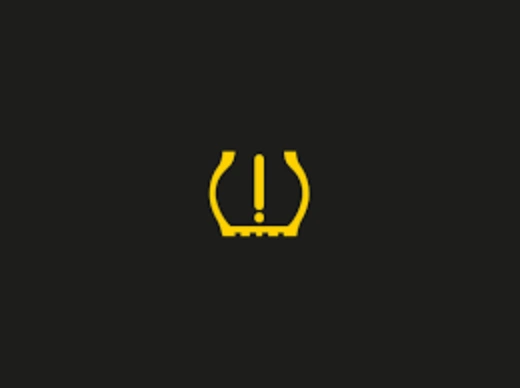
The TPMS light looks like a horseshoe with an exclamation mark. With the unpredictable nature of Indian roads, filled with potholes and sharp debris, this is a lifesaver. This light triggers when the pressure in one or more tyres drops by 25% or more. Under-inflated tyres increase your braking distance, reduce fuel efficiency, and are prone to dangerous blowouts at high speeds on highways like the Atal Setu. If this light stays on, check your tyre pressure at the nearest petrol pump. Maintaining the right pressure ensures your car handles beautifully, making it the perfect candidate for a car detailing service that keeps your wheels and alloys looking as sharp as they perform.
Fuel Light
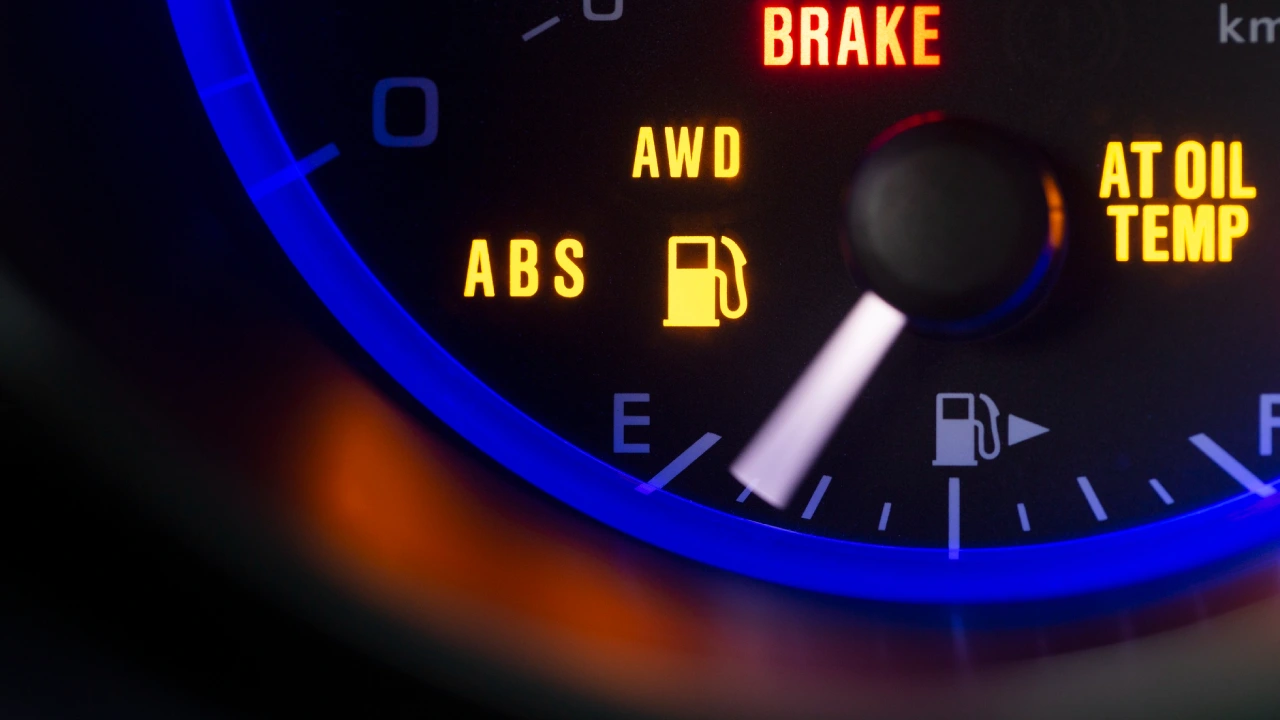
We are all familiar with the “Fuel Pump” icon. In India, many of us have a habit of driving on “reserve,” but this is actually detrimental to our car’s health. The fuel pump in modern cars is submerged in the tank and relies on the fuel itself for cooling. Consistently running on low fuel can cause the pump to overheat and fail prematurely. Additionally, as the fuel level drops, the pump may suck up sediment from the bottom of the tank, clogging your filters. When this light comes on, it’s a nudge to refuel. It’s also a great reminder that a car that is well-fueled and well-protected with a ceramic coating is a car that stays younger for longer.
Parking Brake System
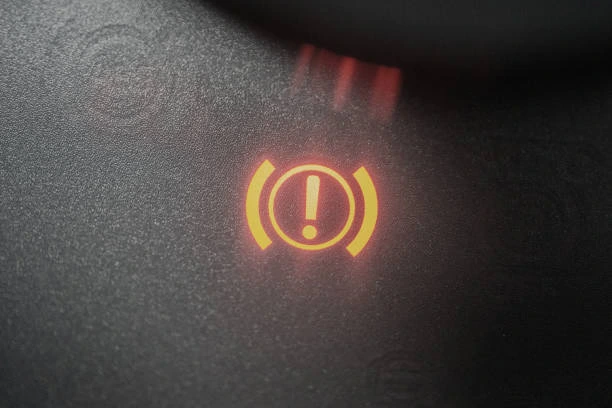
The exclamation mark inside a circle usually means your parking brake (handbrake) is engaged. If you see this light while driving, check if the lever is fully down. However, if the light remains on after the handbrake is released, it indicates a more serious issue: your brake fluid is low or there is a fault in the hydraulic system. Since brakes are your primary safety feature, this should never be ignored. In the same way that we provide “Aegis” for your paint, your brake system is the aegis for your life. Ensure your fluid levels are topped up to maintain that crisp, responsive stopping power every time you hit the pedal.
Anti-Lock Braking System (ABS)
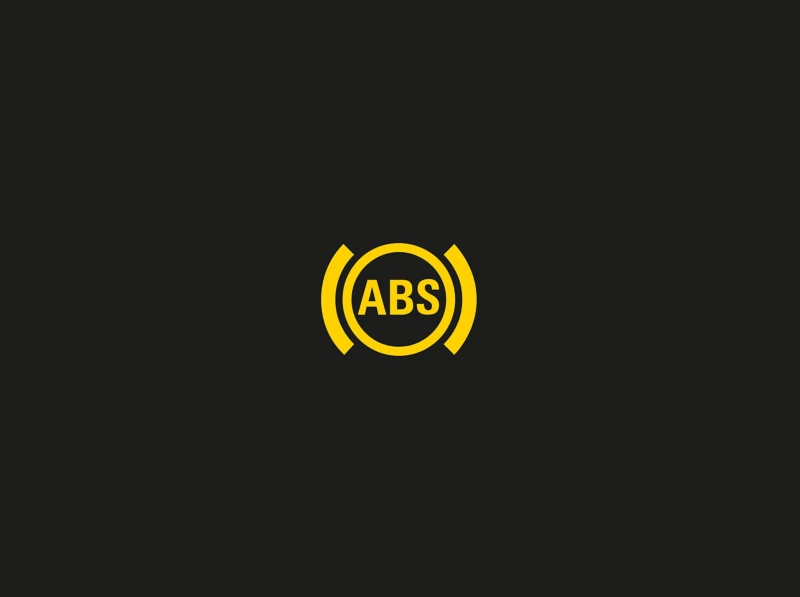
The ABS light indicates that the system, which prevents your wheels from locking up during a panic stop, has a fault. While your normal brakes will still work, you lose the ability to steer the car during a heavy skid, a vital safety feature on wet or sandy Indian roads. Often, this light triggers because a wheel speed sensor has become coated in mud or grime. This is where a professional car detailing service comes into play; our thorough underbody and wheel well cleaning can often resolve “ghost” warnings caused by road debris. If the light stays on after a wash, have a technician scan the system to ensure your safety net is active.
Transmission Temperature

Especially common in automatic cars and SUVs, this light looks like a gear with a thermometer inside. It indicates that the transmission fluid is overheating, often due to heavy towing or aggressive driving in stop-and-go city traffic. If this light comes on, pull over and let the engine idle in ‘Neutral’ or ‘Park’ to allow the fluid to cool down. Ignoring this can lead to total gearbox failure. Interestingly, heat is the enemy of both your gearbox and your paint. Just as your transmission needs cooling, your car’s exterior needs the UV protection of a high-quality paint protection film to prevent the “burn” of the Indian sun.
Seat Belt

This is the most frequent of all car dashboard lights. While it might seem like a simple reminder, it is the most critical safety icon. Modern cars are equipped with weight sensors and pre-tensioners; if you aren’t buckled in, your airbags may not deploy correctly or could even cause injury during an accident. At CarzSpa, our “Protect” philosophy extends to the occupants. We take pride in our intensive interior cleaning that keeps your seatbelts clean and free-moving, ensuring they don’t jam or soil your clothes. Buckling up is the simplest form of protection, taking only a second but saving a lifetime, much like how a small investment in car care pays off for years.
Fog Lights

Represented by a lamp with wavy lines, this indicator tells you that your auxiliary fog lamps are active. While not a “warning,” it is an essential part of driving etiquette on Indian highways. Using fog lights during clear nights can blind oncoming drivers. However, during the thick winter smog of North India, these are essential for visibility. Understanding these symbols ensures you are a responsible driver. Being a responsible owner also means ensuring your headlights and fog lamps are clear of oxidation. Our detailing experts often perform headlight restoration to ensure these lights shine bright and clear, matching the pristine finish of a freshly applied ceramic coating.
Headlights

The blue “High Beam” icon or the green “Parking Light” icon is your confirmation that your external lighting is functioning. In India, the misuse of high beams is a major safety hazard. Seeing the blue light on your dashboard should remind you to dip your beams for oncoming traffic. Proper lighting is about seeing and being seen. To ensure your lights provide maximum throw, we recommend protecting them with car PPF. This prevents the plastic lenses from yellowing or getting pitted by road gravel, ensuring that when you do turn on your lights, they provide the safety and clarity they were designed for.
At CarzSpa, We Care
When we say “Protect With CarzSpa,” we aren’t just talking about the shimmering finish of a ceramic coating or the rock-chip resistance of a paint protection film. We care about the total health of your vehicle. Our experts often spot early signs of trouble, like a low brake fluid reservoir or a leaking coolant hose, while performing a professional car detailing service. We believe that a car that looks beautiful should also be a car that is safe to drive. By educating you on these dashboard warning lights, we are helping you protect your asset from the inside out. Our goal is to ensure that every time you get behind the wheel, you feel the same confidence and pride you felt the day you drove your car out of our studio.
Remember The Traffic Light Rule
In our detailing bays, we often see cars that look pristine on the outside thanks to car PPF, but have underlying issues because the owner ignored a “yellow” light until it turned “red.” Modern dashboards follow a universal colour logic:
- Red (Critical): This is the “Stop” signal. It indicates a serious malfunction or a safety risk. Continuing to drive could lead to permanent engine damage or an accident.
- Amber/Yellow (Warning): This is the “Heads Up” signal. Something isn’t right, and you need to get it checked soon. It’s not an emergency yet, but procrastination will make it one.
- Green/Blue (Information): This is the “OK” signal. It confirms a system (like headlights or cruise control) is active.
Pro-tip from our experience: If a red light starts flashing, pull over even faster. A flashing red light usually indicates a severe fault that could cause immediate failure, such as a major engine misfire.
Concluding Thoughts…
Understanding your car dashboard lights is the first step toward becoming a more empowered and safe driver. These symbols are your car’s way of communicating its needs before a minor issue turns into a major disaster. Whether it’s a routine BS6 dashboard light like the DPF warning or a critical red oil pressure light, your response determines the future of your vehicle. At CarzSpa, we are committed to helping you preserve that future. From providing the gold standard in paint protection film to offering expert advice on vehicle maintenance, we are your partners in car care. Drive safe, stay informed, and remember: a well-protected car is a joy to drive.
Frequently Asked Questions
1. Can I drive with the Check Engine Light on?
If it’s steady amber, you can drive cautiously to a service centre. If it’s flashing, stop immediately. A flashing light indicates a severe misfire that can destroy your catalytic converter very quickly.
2. What should I do if the Red Oil Light comes on?
Pull over safely and turn off the engine immediately. Check the dipstick. If the oil is low, top it up. If the light stays on even after topping up, do not start the car; get it towed.
3. Why did my DPF light come on in my new BS6 car?
This usually happens due to frequent short trips at low speeds in city traffic. The filter needs heat to clear out soot. Driving at 60-70 kmph for about 20 minutes usually clears it.
4. Does car detailing affect dashboard sensors?
Professional car detailing service actually helps! Cleaning the exterior removes grime from sensors, and interior cleaning prevents dust from clogging the vents and buttons. We take care to use electronics-safe cleaners.
5. Is the Battery light always about a dead battery?
Not necessarily. It often indicates a fault in the “charging system.” This could be a loose wire, a failing alternator, or even a snapped belt. Have it diagnosed before buying a new battery.
Share: