The obsession with having a sunroof in cars has reached a fever pitch in India. What was once a hallmark of high-end luxury sedans has now trickled down to compact hatchbacks and budget SUVs. But as every Indian car buyer stands at the dealership, a confusing jargon of terms gets thrown around: Sunroof, Moonroof, and Panoramic Sunroof. Are they just different names for the same glass panel, or do they serve distinct purposes?
In the unique context of Indian driving, where we battle 45°C summers, torrential monsoons, and the ever-present “fine dust”, the choice between a sunroof vs moonroof isn’t just about aesthetics; it’s about practicality and long-term ownership. Whether you are eyeing the best panoramic sunroof cars in India or just want a bit of extra light in your cabin, understanding these features is vital. Read on to discover which “window to the sky” actually fits your lifestyle and the harsh Indian terrain.
Table of Contents
Sunroof vs Moonroof: The Technical Breakdown
To the untrained eye, they look identical, but the sunroof vs moonroof debate is rooted in how the panel behaves. Historically, a sunroof in cars referred to an opaque, metal panel that matched the car’s body colour. You could tilt it or slide it open to let in air, but when closed, it blocked all light.
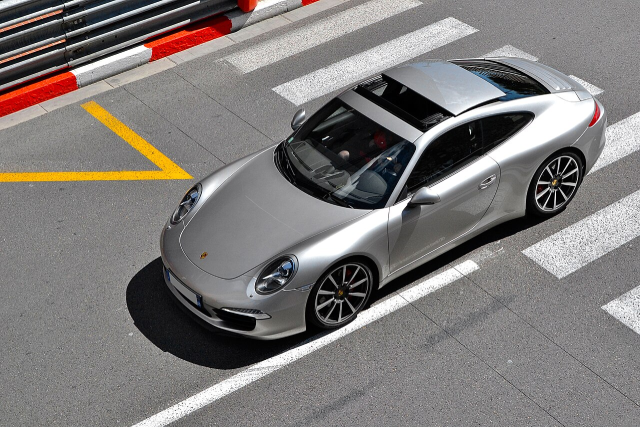
A moonroof, on the other hand, is a subset of the sunroof. It features a tinted glass panel that stays in the roof. Even when it is closed, you can slide back the interior fabric “shade” to let light into the cabin without letting in the outside dust or noise. In modern Indian showrooms, almost every “sunroof” you see is technically a moonroof because they are made of glass.
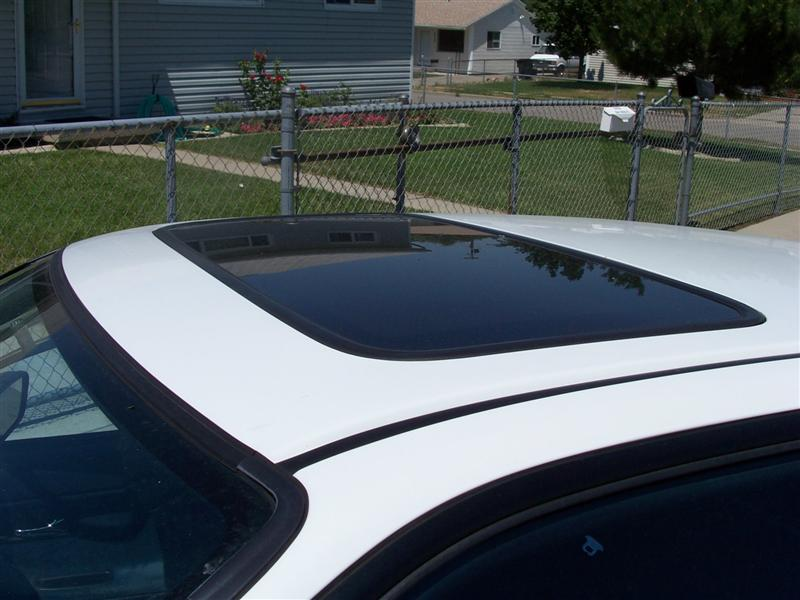
However, the industry uses the terms interchangeably to keep things simple for buyers. The key takeaway? If you want the option to see the stars while staying in an air-conditioned bubble, you are looking for a moonroof.
The Rise of the Panoramic Sunroof
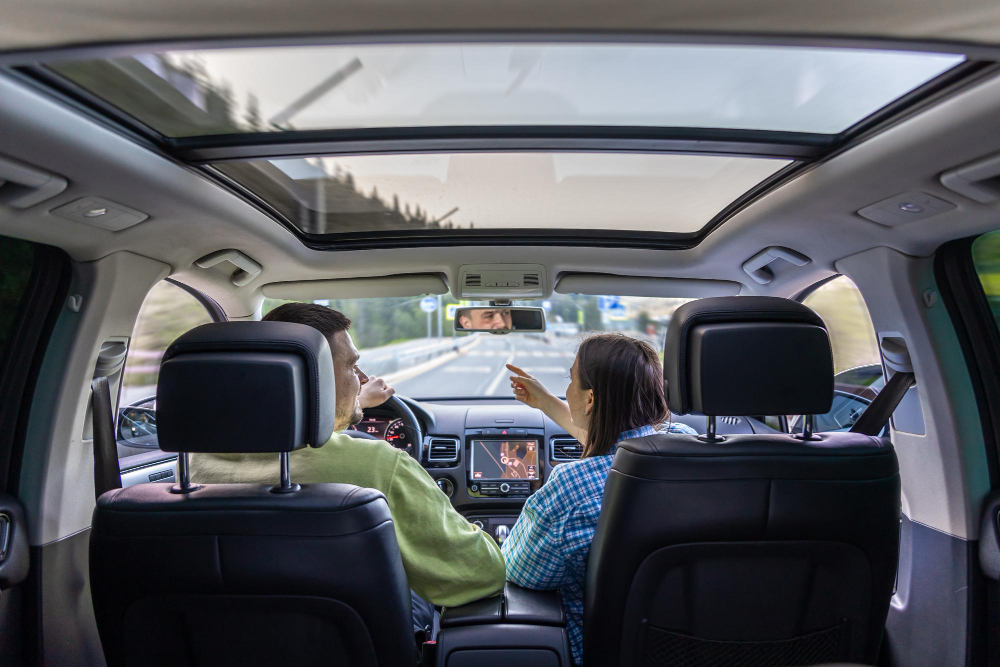
If a standard moonroof is a window, a panoramic sunroof is a glass ceiling. Spanning almost the entire length of the car, this feature has become the “must-have” for 2026. It typically consists of two large glass panels, the front one usually slides or tilts, while the rear remains fixed.
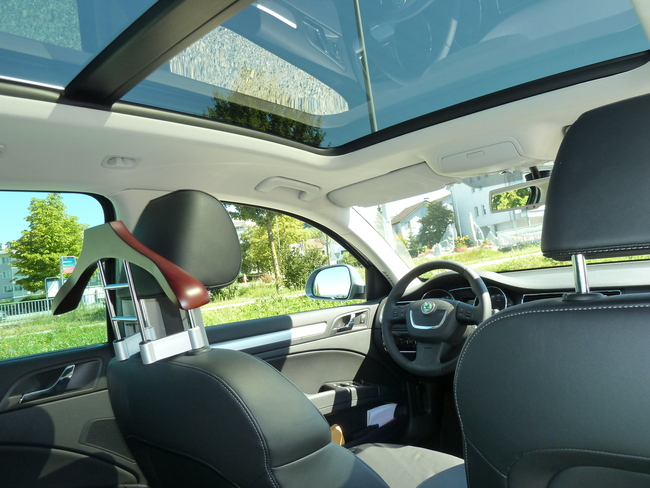
The appeal is undeniable. It transforms a cramped cabin into an “airy” lounge, making even the most budget-friendly SUV feel like a premium European import. For passengers in the back seat, especially on scenic drives through the Western Ghats or the Himalayas, the panoramic sunroof provides an immersive experience that a tiny single-pane glass simply cannot match. It has become a status symbol, often being the deciding factor for families choosing between mid-range variants and top-spec models.
Challenges of Sunroof in Indian Weather
Driving in India is a “stress test” for any automotive glass. Our climate presents three specific enemies to any sunroof in cars:
- Increase in cabin temperature: During peak summers in Rajasthan or Delhi, a panoramic sunroof acts like a giant magnifying glass. Even with high-quality tints, the cabin temperature can rise significantly, forcing your AC to work overtime and slightly dropping your fuel efficiency.
- Dust settling in: The “fine dust” we see on Indian highways settles into the tracks and rubber seals of the sunroof. Over time, this grit acts like sandpaper, wearing down the motor and causing annoying rattles.
- Water seepage during rains: Our monsoons aren’t just rain; they are horizontal deluges. If the drainage channels are even slightly clogged with leaves or urban grime, you might find water dripping onto your premium upholstery.
Panoramic Sunroof Safety: Myths vs Reality
One of the biggest concerns for Indian parents is panoramic sunroof safety. There is a common myth that a glass roof makes a car less structurally sound in a rollover. However, modern cars are engineered with high-strength steel “pillars” (A, B, and C pillars) that carry the structural load, not the roof panel itself.
The real danger in India isn’t the glass, it’s the misuse. “Sunroof surfing,” where passengers stand out of the moving vehicle, is not only a violation of Section 177 of the Motor Vehicles Act but is also life-threatening. A sudden brake or a low-hanging wire can turn a fun moment into a tragedy. Furthermore, in the event of an accident, the panoramic sunroof safety depends on the glass being laminated (like your windshield) so it doesn’t shatter into sharp shards. Always ensure your passengers remain buckled in, regardless of how “Instagrammable” the view looks.
Best Panoramic Sunroof Cars in India (2026 Edition)
As of 2026, the market has matured, and you no longer need to spend 40 Lakhs to get a view of the sky. Here are some of the best panoramic sunroof cars in India across different budget segments:
| Segment | Model | Why it stands out |
|---|---|---|
Sub-Compact SUV | Mahindra XUV 3XO | Brought the “Skyroof” to the masses at an incredible price point. |
Compact SUV | Hyundai Creta / Kia Seltos | The gold standard for feature-loaded cabins with expansive glass. |
Coupe SUV | Tata Curvv | Combines a stylish sloping roofline with large panoramic glass. |
Mid-Size SUV | MG Hector | Features one of the largest glass areas in its class, perfect for stargazing. |
Premium SUV | Mahindra XUV700 | Known for its robust build and seamless integration of the panoramic roof. |
Choosing from the best panoramic sunroof cars in India ensures you get a factory-fitted unit that has undergone rigorous leak and wind-tunnel testing.
Car Sunroof Maintenance: Keeping the Muck Out
Owning a sunroof is like owning a garden; it requires regular weeding. Proper car sunroof maintenance is the difference between a silent, smooth operation and a jammed, leaking mess.
- Clean the Tracks: Every month, use a damp cloth to wipe the metal tracks where the glass slides. Remove any visible grit or “monsoon muck.”
- Clear the Drains: Every sunroof has tiny drainage holes at the corners. If these get blocked, water will back up into your cabin. Periodically pour a small cup of water into the channel to ensure it drains out near the wheel arches.
- Lubricate the Rails: Use a silicone-based grease (not heavy industrial grease) to keep the mechanism sliding. This reduces the load on the electric motor.
- Inspect the Seals: The rubber “beading” around the glass can dry out under the Indian sun. Applying a rubber protectant can prevent it from cracking and causing wind noise at high speeds.
By staying proactive with car sunroof maintenance, you ensure that your “luxury” feature doesn’t turn into a “liability” after the first three years of ownership.
Protect Your Sunroof with Aegis Sunroof Films
While a panoramic roof offers a stunning view, it is also the most vulnerable glass surface on your vehicle. Flying pebbles on highways or debris from construction sites can easily cause cracks that lead to expensive replacements. This is where sunroof protection becomes a necessity rather than an accessory. By installing Aegis Sunroof film, you provide your vehicle with a high-performance TPU (Thermoplastic Polyurethane) shield. This 190-micron-thick film is engineered to absorb heavy impacts, preventing the glass from shattering and ensuring total sunroof safety for your family.
Beyond physical defence, the Aegis Sunroof film is a champion of climate control. It boasts an incredible 93% Infrared (IR) rejection rate, effectively blocking the “greenhouse effect” that makes Indian car cabins unbearable in summer. Whether you have a standard moonroof or an expansive panoramic roof, this film ensures the interior stays cool while protecting your upholstery from UV-induced fading. Backed by a 10-year warranty, it features self-healing properties that make swirl marks vanish under the sun, keeping your view of the sky crystal clear for years to come.
Also Read: The Ultimate Guide to Sunroof Films
Conclusion
The choice between a sunroof vs a moonroof or going all-out with a panoramic sunroof ultimately boils down to how much you value that connection with the outdoors. In India, a sunroof in cars is a double-edged sword: it offers unparalleled aesthetics and a sense of space, but it demands disciplined maintenance and a bit of extra care during the scorching summers.
If you are a highway cruiser who loves early-morning drives or the cool mountain air, the best panoramic sunroof cars in India will transform your journeys. Just remember to treat it as a window for light and air, not a platform for stunts. Keep the tracks clean, keep the passengers buckled, and enjoy the view.
And don’t forget to protect your sunroof from day 1 with Aegis Sunroof Films.
Frequently Asked Questions
1. Is a panoramic sunroof safe in a car accident?
Yes, panoramic sunroof safety is ensured by manufacturers through reinforced pillars and laminated glass. While the roof isn’t as rigid as metal, the car’s safety frame (the “roll cage”) is designed to protect occupants during rollovers.
2. Does a sunroof reduce the car’s mileage?
Slightly. A sunroof in cars adds weight (glass and motors) and increases aerodynamic drag when open. In India, the biggest impact is the AC working harder to cool a cabin heated by the glass roof.
3. Can I install a panoramic sunroof after buying the car?
It is highly discouraged. Cutting the roof of a car that wasn’t designed for it compromises structural integrity. Always opt for the best panoramic sunroof cars in India that come with factory-fitted units.
4. How do I prevent my sunroof from leaking?
Regular car sunroof maintenance is key. Ensure the drainage holes are not clogged with dust or leaves, and keep the rubber seals conditioned so they don’t crack under the sun.
5. What is the difference between a sunroof and a moonroof?
In the sunroof vs moonroof debate, a sunroof is historically an opaque metal panel, while a moonroof is a tinted glass panel that lets light in even when closed. Today, most cars use glass moonroofs.
Share: