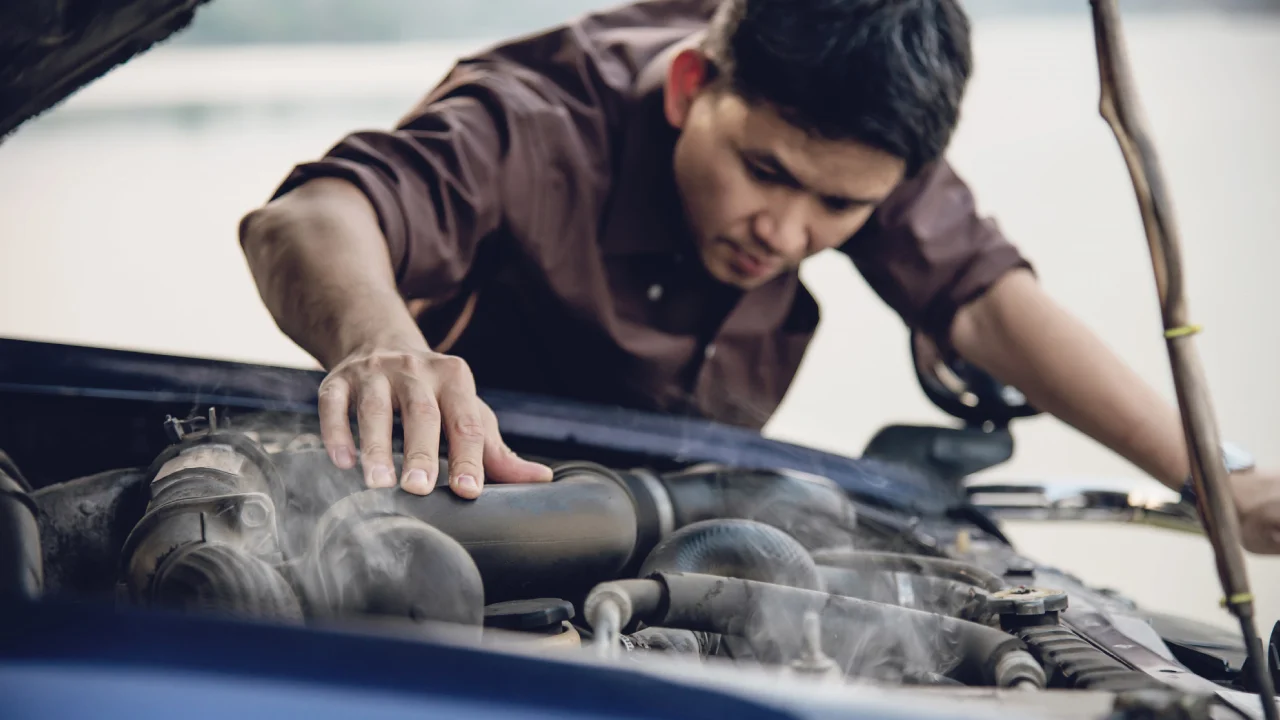
Just as you wouldn’t step out into the peak afternoon sun without a bottle of water, your car shouldn’t face the Indian heat unprepared. The mercury in cities like Ahmedabad and Delhi can easily cross 45°C, turning your engine bay into a literal oven. At CarzSpa, we’ve seen how a lack of car maintenance in summer can lead to the dreaded sight of steam billowing from under the bonnet.
Engine overheating isn’t just a minor inconvenience; it’s a mechanical cry for help that can lead to warped cylinder heads or a completely seized motor. But don’t worry! By understanding the common engine overheating causes and taking a few proactive steps, you can ensure your vehicle remains a cool sanctuary even during the harshest heatwaves.
This guide provides 10 professional-grade tips to prevent engine overheating in the summer, ensuring your road trips and daily commutes remain uninterrupted and your engine stays healthy for years to come!
Table of Contents
- Why Engines Overheat During Indian Summers
- Monitor Your Coolant Levels Regularly
- Inspect the Radiator for Blockages
- Check for Leaks in Hoses and Seals
- Keep an Eye on the Temperature Gauge
- Evaluate Your Engine Oil Health
- Inspect the Radiator Fan Functionality
- Don’t Overwork the Air Conditioning
- Flush Your Cooling System Annually
- Reduce Engine Load with Aegis Sun Protection Films
- Practice Safe Driving Habits
- Some Concluding Thoughts
- Frequently Asked Questions
Why Engines Overheat During Indian Summers
The Indian summer is unique because it combines high ambient temperatures and heavy stop-and-go traffic. When your car is idling in traffic, there isn’t enough natural airflow to cool the engine, forcing the cooling system to work at double its capacity. Understanding engine overheating causes is the first step toward prevention. From thin engine oil that loses its viscosity to ancient coolant that has lost its chemical properties, the heat attacks every weak point. At CarzSpa, we believe that car maintenance in summer is about more than just comfort; it’s about preserving the heart of your machine against the thermal stress of a tropical climate.
Monitor Your Coolant Levels Regularly
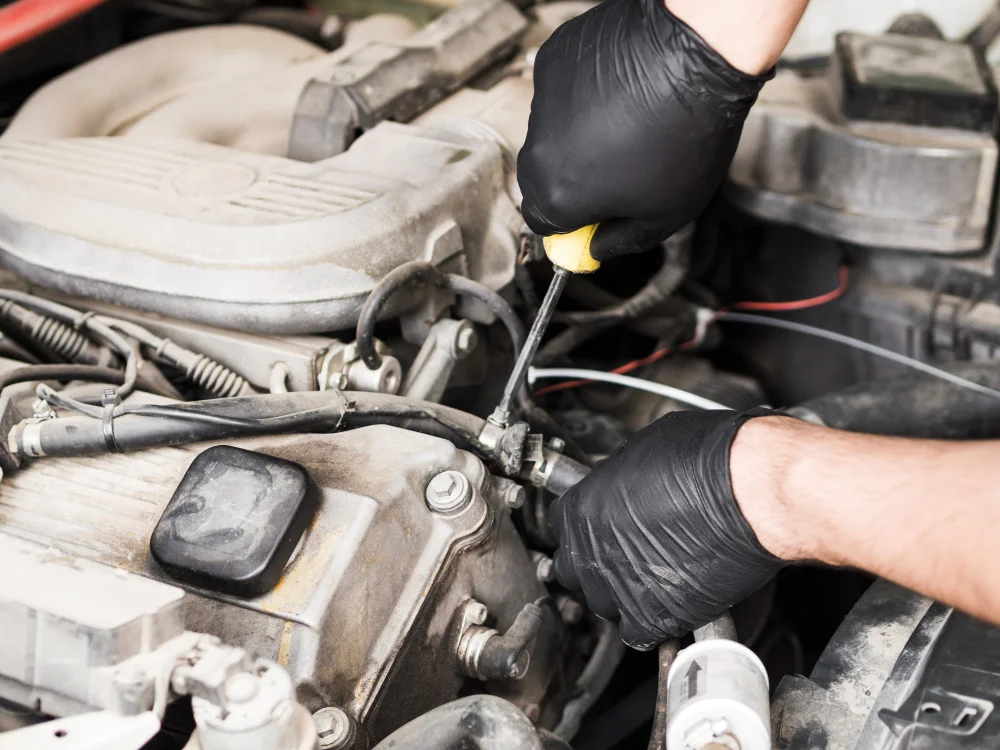
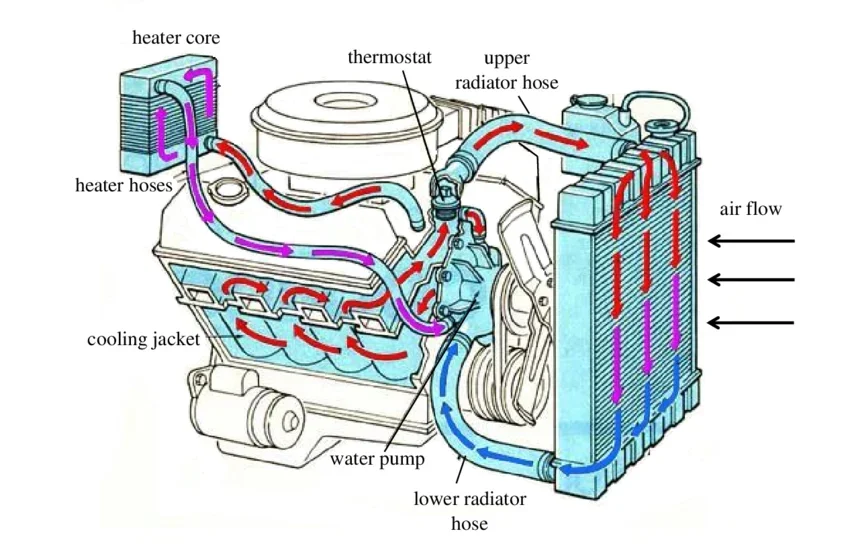
Think of coolant as the “blood” that carries heat away from your engine’s vital organs. During the peak of April and May, even a slightly low level can trigger a crisis. One of our most important coolant check tips is to always inspect the reservoir when the engine is stone-cold. Ensure the liquid sits between the ‘Min’ and ‘Max’ marks. If you notice the level dropping frequently, you might be facing engine overheating causes like a hairline crack in the reservoir or a faulty cap. Never use plain tap water as a permanent fix; the minerals can cause scaling and corrosion, eventually leading to a radiator failure.
Inspect the Radiator for Blockages
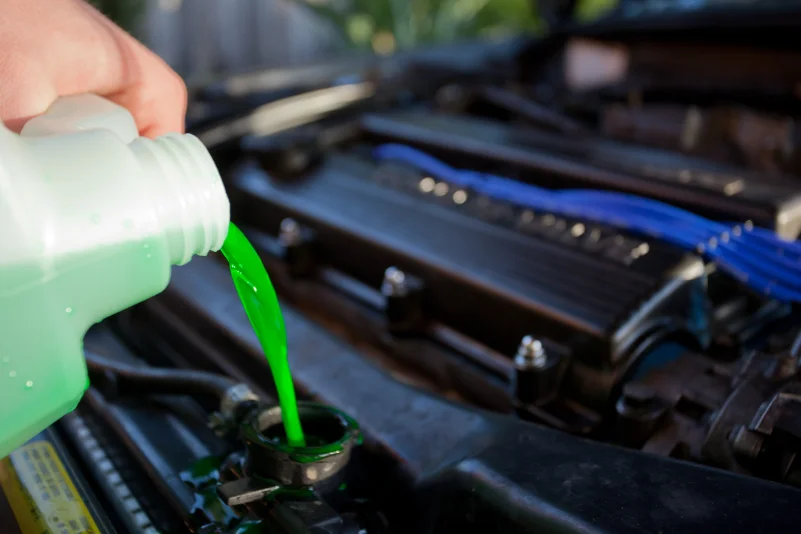
Your radiator is the primary heat exchanger of your vehicle. Over time, it collects dust, dried leaves and insects, especially after long highway drives. A dirty radiator prevents efficient heat dissipation, which is one of the leading engine overheating causes in older vehicles. During your weekly car wash services, we recommend gently spraying water through the radiator fins from the inside out to clear any debris. If the fins are bent or heavily corroded, your cooling efficiency drops significantly. Ensuring a clean airflow is one of the simplest yet most effective engine overheating solutions you can perform at home.
Check for Leaks in Hoses and Seals
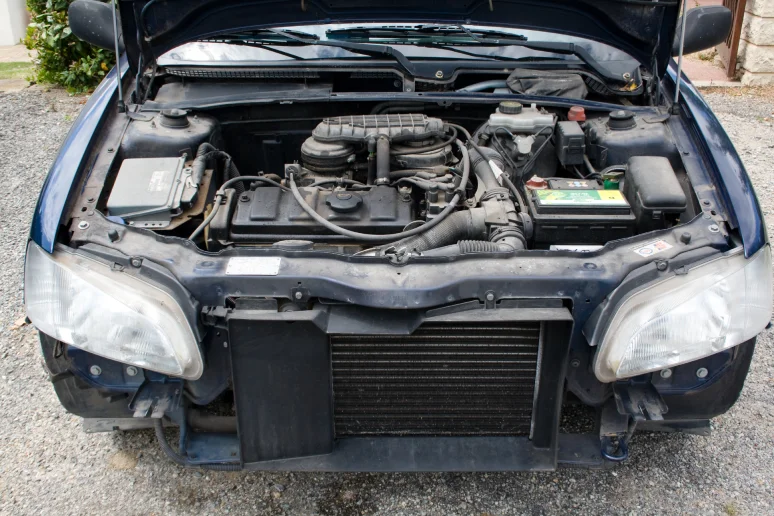
The intense heat causes rubber components to expand and contract, which eventually leads to brittleness and “dry rot.” A tiny pinhole leak in a radiator hose can lead to a sudden loss of pressure, causing the engine to spike in temperature within minutes. As part of your car maintenance in summer, we suggest squeezing the hoses when the engine is off; they should feel firm but flexible, not crunchy or mushy. Look for white or green crusty residue around the clamps; this is a clear sign of a slow coolant leak that needs immediate professional attention.
Keep an Eye on the Temperature Gauge
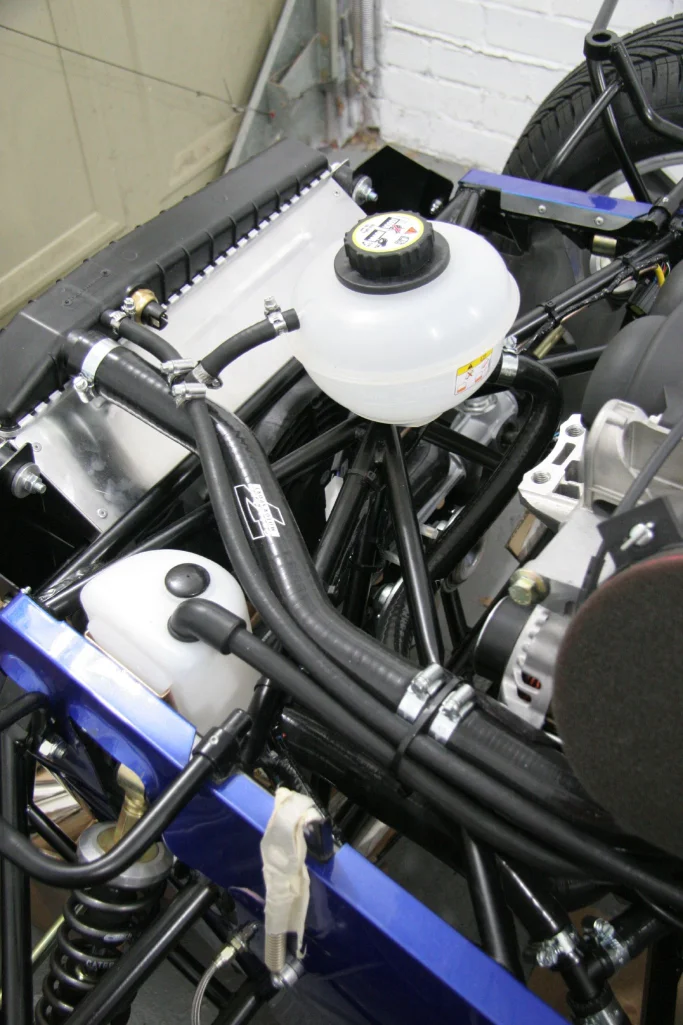
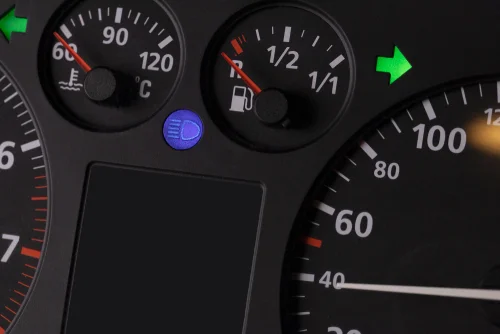
Your dashboard is your car’s way of communicating with you. Most modern cars have a needle that should stay right in the middle. If you see it creeping toward the “H” or the red zone, you are witnessing the start of an overheat. One of the emergency engine overheating solutions is to immediately turn off the AC and turn on the heater to full blast. This might sound uncomfortable, but it pulls heat away from the engine and into the cabin, potentially saving your engine block from cracking while you find a safe spot to pull over.
Evaluate Your Engine Oil Health
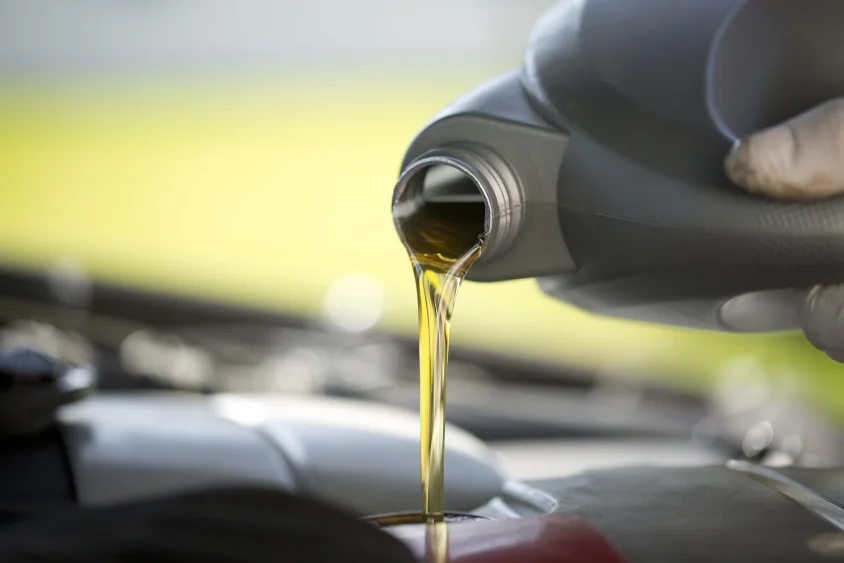
Engine oil doesn’t just lubricate; it also plays a crucial role in cooling by reducing friction. However, extreme heat can cause oil to thin out excessively, losing its ability to protect moving parts. If your oil is old or dirty, it carries heat less effectively, contributing to engine overheating. We recommend checking your oil dipstick frequently. If the oil looks like dark sludge or smells burnt, it’s time for an oil change. Using high-quality synthetic oils can provide better thermal stability, making them a vital part of your car maintenance in your summer routine.
Inspect the Radiator Fan Functionality
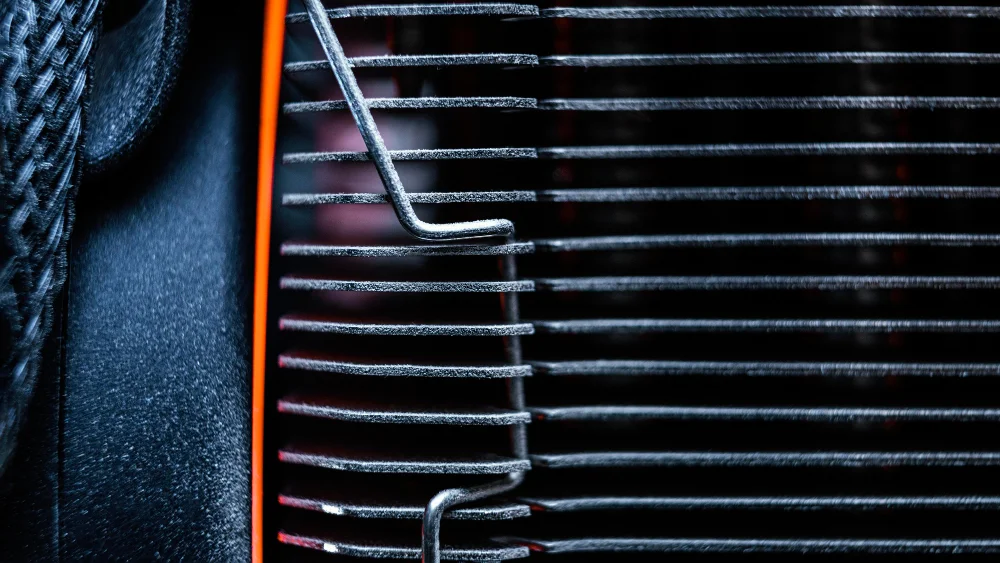
When you are stuck in a typical Indian traffic jam, your radiator fan is the only thing keeping your engine from melting down. This fan should kick in automatically as the temperature rises. To test this, let your car idle and turn on the AC; you should hear the fan whirring to life. If the fan is faulty, your car might stay cool while driving fast but will overheat the second you stop. This is a common issue that requires a quick electrical check, as a blown fuse or a dead fan motor is one of the primary engine overheating causes in city driving.
Don’t Overwork the Air Conditioning
In 40°C+ weather, your AC compressor puts a massive load on the engine. If your cooling system is already struggling, the extra strain of the AC can push it over the edge. While we all love a chilled cabin, try to “pre-cool” your car by rolling down the windows for the first few minutes to let the hot air escape. This reduces the initial load on the compressor. Additionally, ensuring your car has Aegis Sun Protection Film installed can reduce the cabin temperature, making the AC’s job just a little bit easier.

Flush Your Cooling System Annually
Over time, coolant becomes acidic and loses its rust-inhibiting properties. This leads to internal corrosion and the buildup of “sludge” that can clog the narrow passages of your engine block. A professional coolant flush is one of the best long-term engine overheating solutions. We recommend doing this once a year before the summer begins. It ensures that the entire system is free of contaminants and that the new coolant can circulate with maximum efficiency. Think of it as a seasonal detox for your vehicle’s most critical system.
Reduce Heat with Car Window Films
Many car owners don’t realise that the heat inside the cabin directly affects the engine. When the interior reaches 60°C, the AC works at 100% capacity for longer periods, putting immense stress on the engine’s belt and cooling system. At CarzSpa, we recommend installing car window films, particularly Aegis Sun Protection Films as a functional maintenance tip. These films are fully compliant with the CMVR rule, maintaining the legal 70% VLT for front/rear windshields and 50% VLT for side windows as per the Supreme Court ruling. By rejecting up to 98% of infrared heat, these films keep the cabin significantly cooler, allowing the AC to run on a lower setting and directly helping to prevent engine overheating in the summer.
Practice Safe Driving Habits
How you drive affects how hot your engine runs. Rapid acceleration and high-speed driving in the middle of a hot afternoon increase the internal combustion heat. If you’re going on a long trip, try to start early in the morning or later in the evening when the ambient air is cooler. If you are stopped at a railway crossing for more than two minutes, turn off the engine. Idling in the sun with no airflow is a recipe for disaster. Combining these habits with regular car wash services to keep the exterior clean will ensure your car remains efficient and cool all summer long.
Additional Tips to Keep Your Car in Its Best Shape
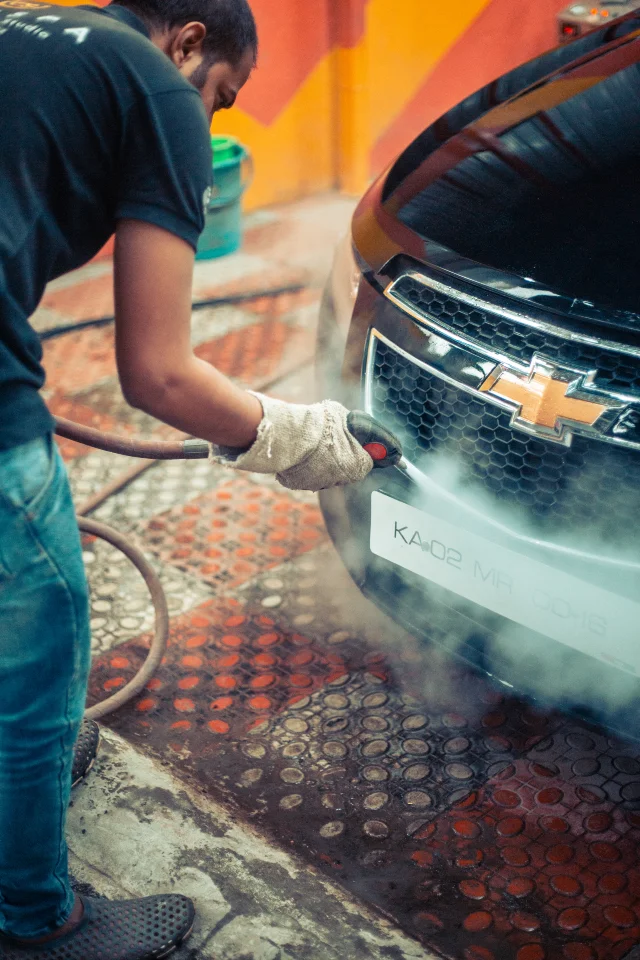
Beyond the mechanics, maintaining the aesthetic and structural integrity of your vehicle is vital during the harsh Indian summer. We highly recommend scheduling regular car detailing services at a professional studio. An intensive interior cleaning prevents the buildup of bacteria in the AC vents, while a professional engine bay cleaning removes stubborn grease and grime that can trap heat, acting as one of the subtle engine overheating causes.
Furthermore, the summer sun is the biggest enemy of your car’s exterior. To prevent oxidation and fading, you must protect the surface with either a high-grade ceramic coating or a paint protection film. These treatments act as a sacrificial barrier against UV rays, ensuring your car stays showroom-shiny while making your routine car wash services much more effective.
Some Concluding Thoughts
Preventing your engine from “losing its cool” is all about being proactive. From following basic coolant check tips to installing legally compliant Aegis Sun Protection Films, every small step adds a layer of protection to your vehicle. At CarzSpa, our mission is to help you enjoy the drive without the anxiety of a breakdown. By treating car maintenance in summer as a priority rather than a chore, you ensure that your car remains a reliable companion through every heatwave India throws your way. Stay cool, drive safe and remember, an ounce of prevention is worth a gallon of coolant!
Frequently Asked Questions
1. How can I reduce heat inside my car during the summer?
To lower cabin temperatures, always park in the shade and use car window films. Cracking your windows slightly helps hot air escape. Before driving, open all doors for a minute to let the heat out.
2. Does turning off the AC help cool down an overheating engine?
Yes, it does. While the systems are separate, the AC puts a massive mechanical load on the engine. Turning it off immediately reduces the work the engine has to do.
3. What should I do if my engine overheats while driving?
Pull over safely and turn off the engine immediately. Do not open the bonnet right away and never open the radiator cap while it’s hot. Wait at least 30 minutes for it to cool down.
4. What is the CMVR rule for car window films in India?
The CMVR rule, backed by a Supreme Court ruling, states that car windows must allow a specific amount of light through. For the front and rear glass, it must be at least 70% VLT, and for side windows, 50% VLT.
5. How often should I check my car’s coolant in the summer?
In the peak Indian heat, you should check your coolant levels every two weeks. High temperatures can cause fluids to evaporate or reveal hidden leaks.
Share: