India’s automotive market is no longer concentrated in the metros. Passenger vehicle sales reached a record 46.43 lakh units in FY 2025-26, according to SIAM, while the car detailing industry is expanding alongside rising vehicle ownership and growing awareness of premium car care.
For entrepreneurs, that creates a particularly interesting opportunity outside India’s biggest cities. A Tier-2 or Tier-3 city may have fewer organised detailing studios, but it also has thousands of cars, growing disposable incomes, aspirational buyers and an increasing interest in keeping vehicles looking and performing their best.
Starting a car detailing business in one of these markets is therefore not simply about opening another car wash. It is about entering an underserved automotive aftermarket with premium services, professional expertise and a business model that can grow with the city.
The opportunity is real. The question is how you capture it.
Table of contents
- Why Tier-2 & Tier-3 Cities Are the Next Big Opportunity
- Understanding the Demand for Professional Car Detailing
- What Makes a Car Detailing Business Profitable in Smaller Cities?
- Independent Studio vs Car Detailing Franchise
- Challenges of Starting a Detailing Business in Tier-2 & Tier-3 Cities
- Why Franchise with CarzSpa?
- Conclusion
- Frequently Asked Questions
Why Tier-2 & Tier-3 Cities Are the Next Big Opportunity
For years, premium automotive businesses have naturally gravitated towards Mumbai, Delhi, Bengaluru, Hyderabad, Pune and other major metros. That made sense. These cities have high vehicle density, larger concentrations of luxury cars and customers already familiar with premium car care. But the market is changing.
India’s car detailing market was estimated at approximately ₹3,200 crore in 2024 and identified limited awareness in Tier-2 and Tier-3 cities as one of the industry’s key challenges. At the same time, it points to expansion into these markets as a significant opportunity for organised detailing players.
This creates an interesting demand-supply gap. The cars are already there. What is often missing is access to consistent, professional, organised car detailing services. A customer in a growing city may own a ₹20 lakh SUV, a premium sedan or a newly purchased vehicle but still have limited options beyond traditional washing, polishing and local garages. That does not necessarily mean there is no demand. It can mean the market has not yet been properly developed. That is what makes car detailing business opportunities in Tier-2 and Tier-3 cities particularly interesting in 2026.
Understanding the Demand for Professional Car Detailing
The customer motivations are increasingly diverse:
- New car owners want to keep their vehicle looking new for longer.
- Premium and luxury car owners want professional care rather than conventional washing.
- SUV owners are increasingly willing to invest in exterior protection and appearance.
- Used-car buyers want to restore and improve the appearance of a recently purchased vehicle.
- Enthusiasts want their cars maintained to a higher standard because the vehicle is a passion, not simply transportation.
- Long-term owners want to preserve paint, interiors and resale appeal.
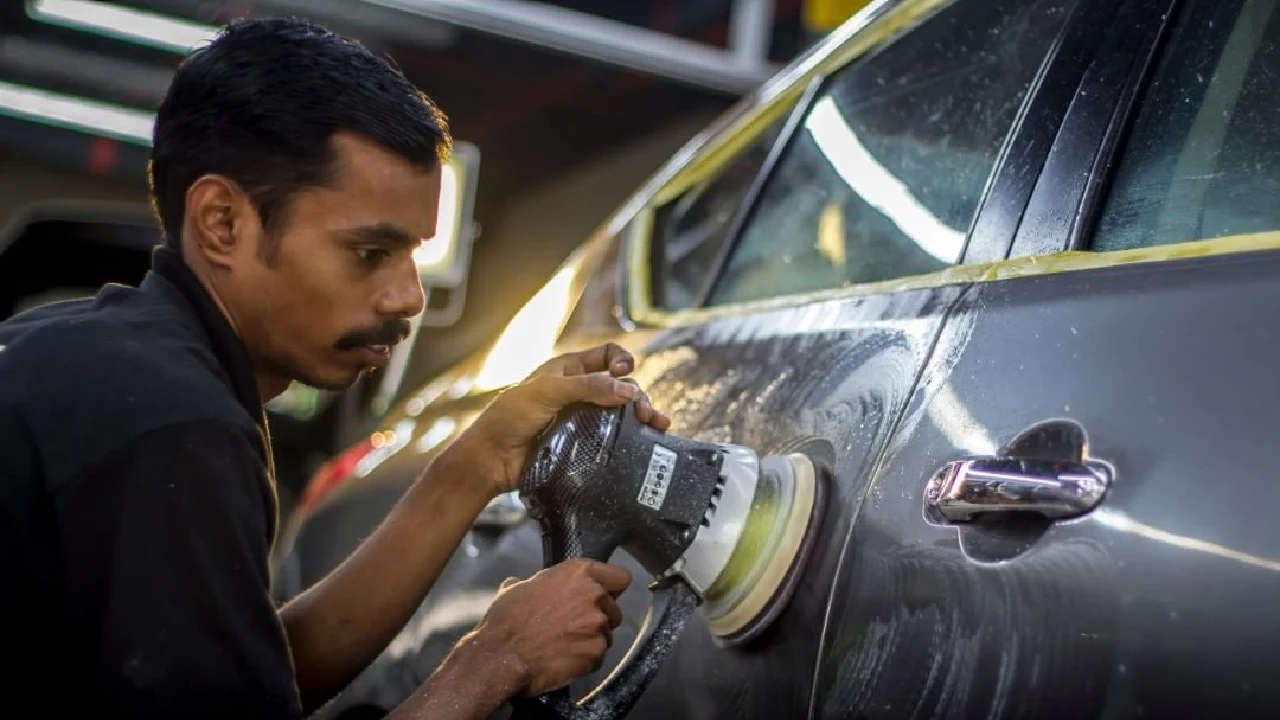
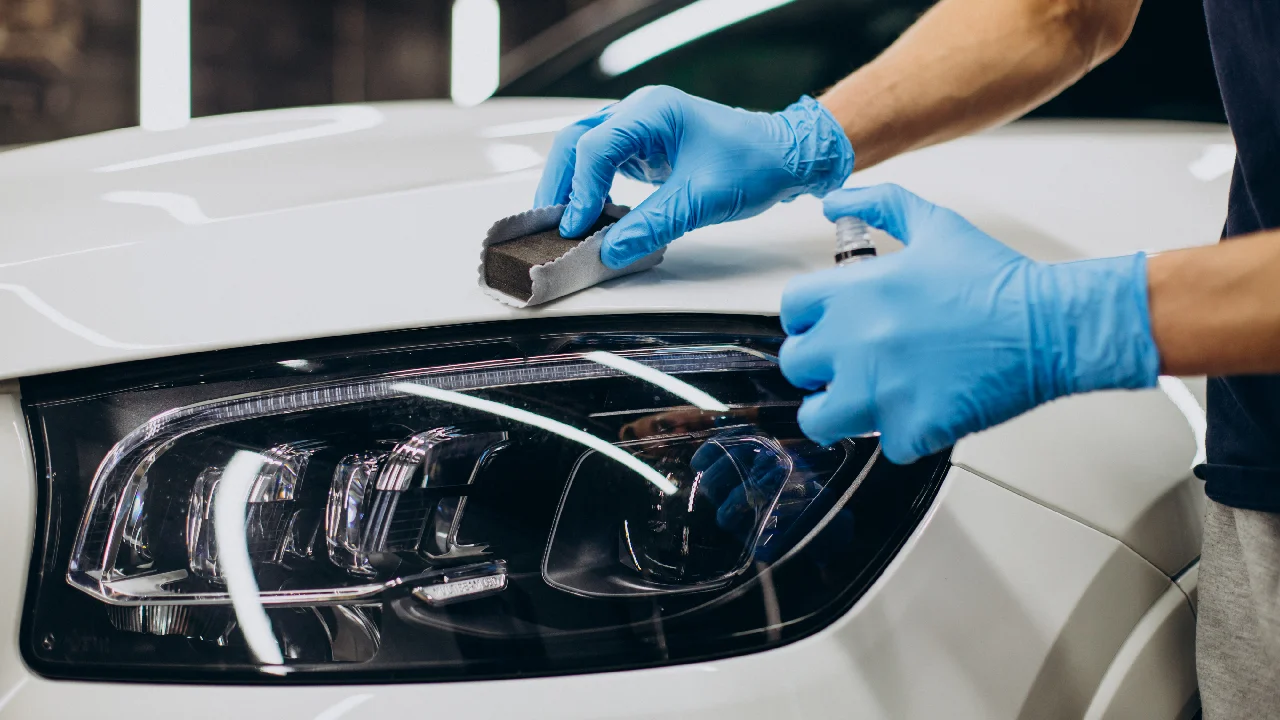
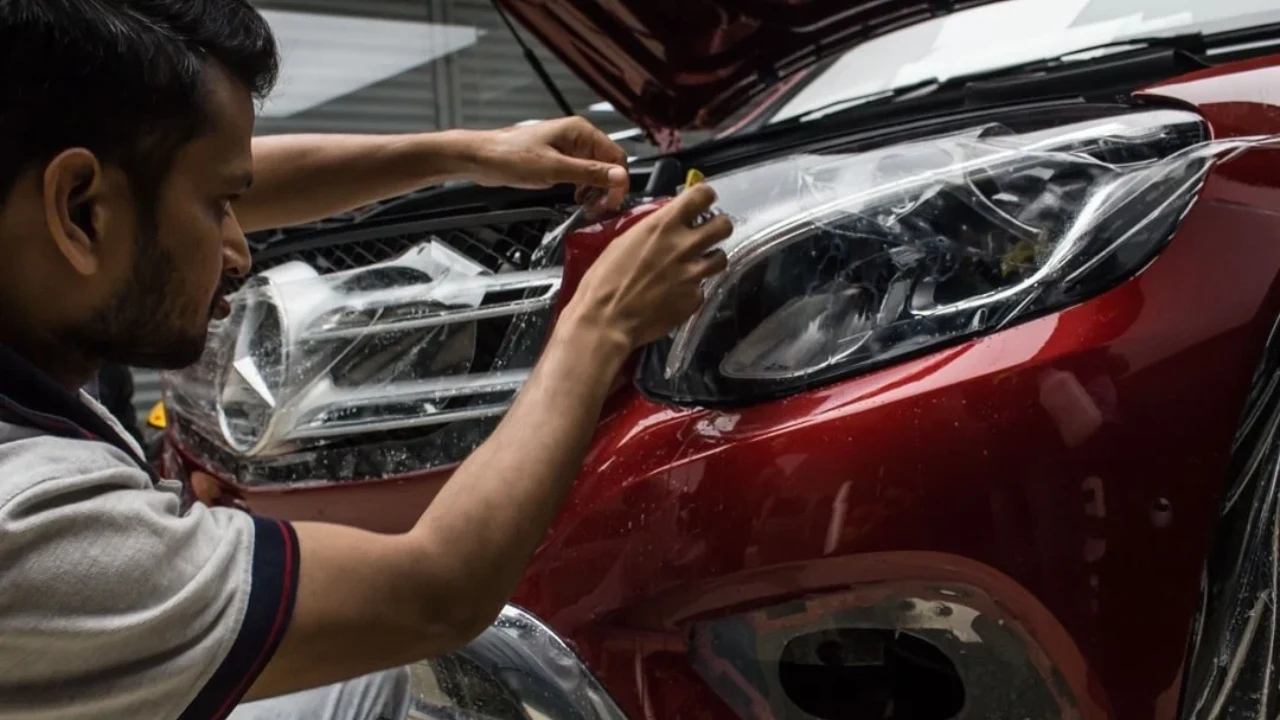
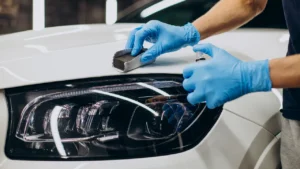
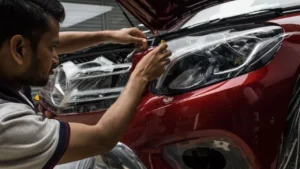
The services available to a car detailing studio can go far beyond washing. Paint correction, interior detailing, ceramic coating, PPF coating, paint protection film, glass treatment and maintenance packages can all become part of a well-designed service portfolio.
What Makes a Car Detailing Business Profitable in Smaller Cities?
Limited awareness of professional and expert detailing methods is one of the foremost challenges in Tier-2 and Tier-3 markets.
The real opportunity lies in building the right combination of volume, service mix, ticket size, repeat customers and operating costs.
A customer who initially comes in for a full detailing package could eventually purchase a car ceramic coating. A new SUV owner could become a car paint protection customer through PPF. A premium car owner could return for periodic maintenance detailing.
This creates a tiered revenue model:
| Service Level | Typical Services | Business Role |
|---|---|---|
| Entry | Wash, vacuum, basic cleaning | Customer acquisition |
| Mid-tier | Full detailing, interior deep cleaning, paint correction | Volume and repeat business |
| Premium | Ceramic coating, PPF, paint protection film | Higher-ticket revenue |
| Maintenance | Coating maintenance, periodic detailing | Recurring revenue |
A wash-focused operation competes heavily on price. A professional detailing studio competes on quality, expertise, products, results and trust.
For the entrepreneur, this model creates multiple revenue opportunities from the same customer rather than relying on one low-ticket transaction.
Independent Studio vs Car Detailing Franchise
Once you identify an opportunity, the next decision is how you want to enter the market. You can build independently or work with an established brand.
An independent studio gives you maximum control. You choose your products, pricing, service menu, branding, equipment, suppliers and marketing strategy. It can work, but you also have to build everything yourself.
That means figuring out:
- Which products to trust.
- How to train technicians.
- How to price premium services.
- How to standardise quality.
- How to market the studio.
- How to generate customer reviews.
- How to create operating procedures.
- How to handle mistakes and customer complaints.
A car detailing franchise, on the other hand, gives a first-time entrepreneur an established framework. The objective is not to remove the entrepreneur from the business. It is to remove some of the unnecessary trial and error.
A structured franchise can provide location guidance, studio design, training, product access, operating processes, marketing assistance and ongoing support.
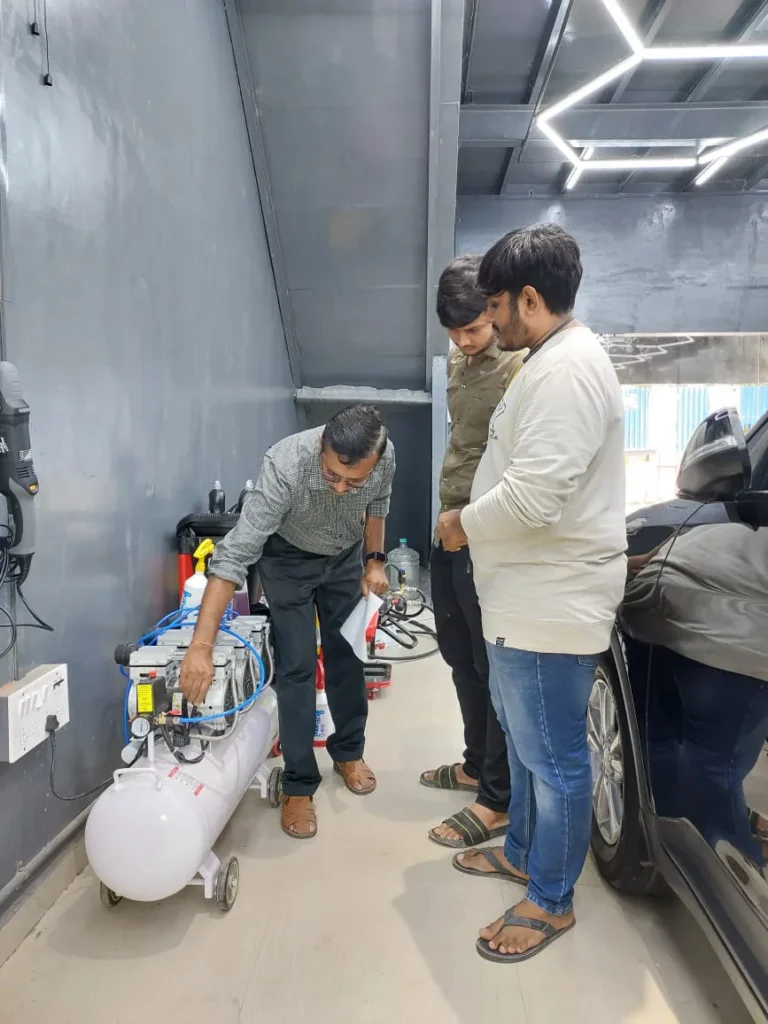
This becomes particularly relevant in smaller cities. When customer awareness is still developing, an established brand can give the business credibility that a new independent studio has to spend years building.
For someone who has automotive passion but limited business experience, a car detailing franchise in India can therefore provide a more structured route into the industry.
Challenges of Starting a Detailing Business in Tier-2 & Tier-3 Cities
The opportunity is attractive, but starting a car detailing business in a Tier-2 or Tier-3 city also comes with a few challenges. Understanding them early can help you build the right business model from the start.
1. Limited Customer Awareness
One of the biggest challenges is educating customers about professional detailing and protection services. Customers may understand the value of regular car washing but may not immediately understand why car detailing services cost significantly more. This makes customer education an important part of marketing, particularly when introducing professional car detailing services and car paint protection to a developing market.
2. Price Sensitivity
Premium car care can face greater price resistance outside major metros, particularly when customers are unfamiliar with the benefits. The higher ticket size of PPF and premium ceramic coatings can make adoption slower among price-sensitive customers.
A better approach is to create different service tiers for different customer needs and budgets. This tiered approach allows the business to remain accessible without reducing the perceived value of its premium services.

3. Finding Skilled Detailers and Staff
Professional detailing is a skill-driven business. The quality of the final result depends heavily on the car detailer’s knowledge and execution. Finding experienced technicians can therefore be difficult in smaller cities, especially when the local market for specialised detailing is still developing. A franchise model can help address this challenge through standardised technical training, operating procedures and ongoing guidance.
Why Franchise with CarzSpa?
If the opportunity is clear but you do not want to build every part of the business from scratch, CarzSpa offers an established route into the market.
CarzSpa currently has 150+ studios across India and Nepal, including 65+ Tier-2 and 47+ Tier-3 cities. Its franchise model is designed around helping entrepreneurs establish professional detailing studios with support across the setup and operating journey.
Here is what that support can mean for an entrepreneur:
- Location Guidance: Choosing the right property is one of the most important decisions in a smaller city. CarzSpa provides assistance with identifying and evaluating locations.
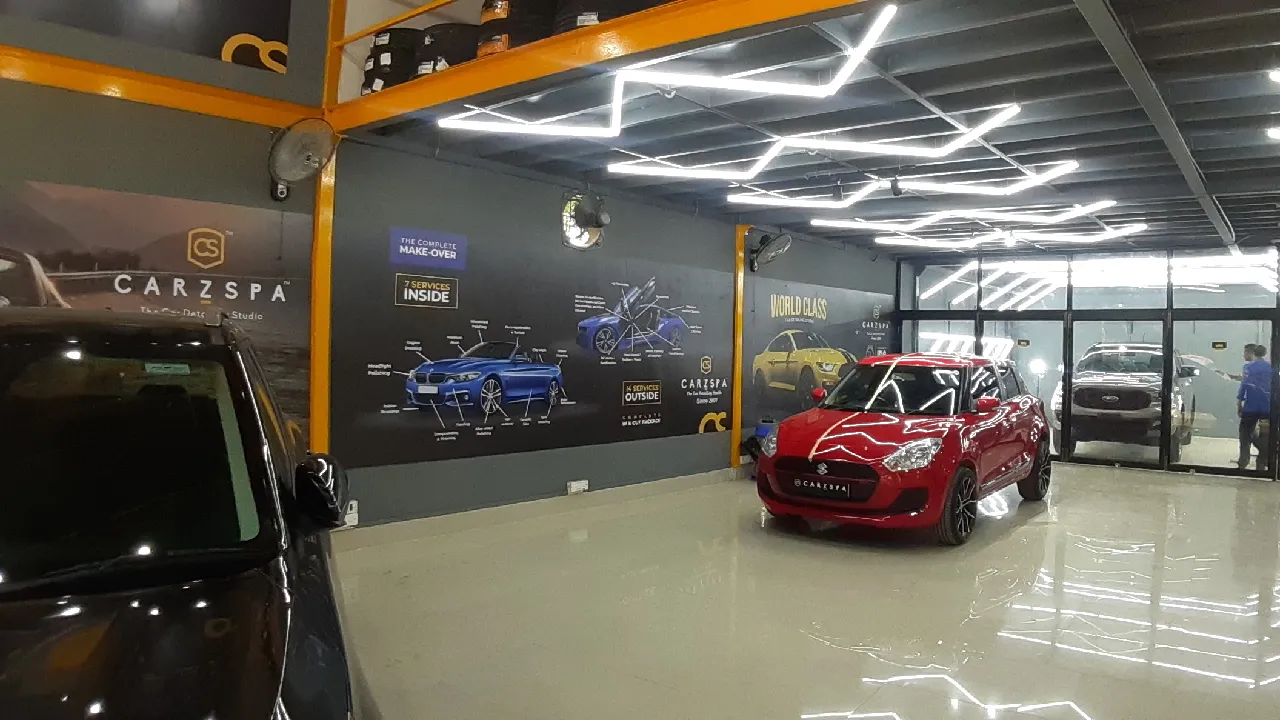
- Studio Design and Setup: A detailing studio needs the right layout, lighting, equipment zones, customer areas, and workflow. CarzSpa provides guidance on studio design and layout.
- Technical Training: Detailing is skill-intensive. Franchisees receive training designed around the technical requirements of professional detailing and premium protection services.
- Premium Product Access: CarzSpa franchisees have access to proprietary products and systems, including Aegis Films and CrystalShield ceramic and graphene coatings, helping standardise the quality of premium services.
- Marketing Support: Building awareness is particularly important in an emerging Tier-2 or Tier-3 market. A recognised brand and structured marketing support can help reduce the time spent building awareness from zero.
- Established Operating System: Instead of developing every process independently, franchisees enter a business model that has already been implemented across multiple locations.
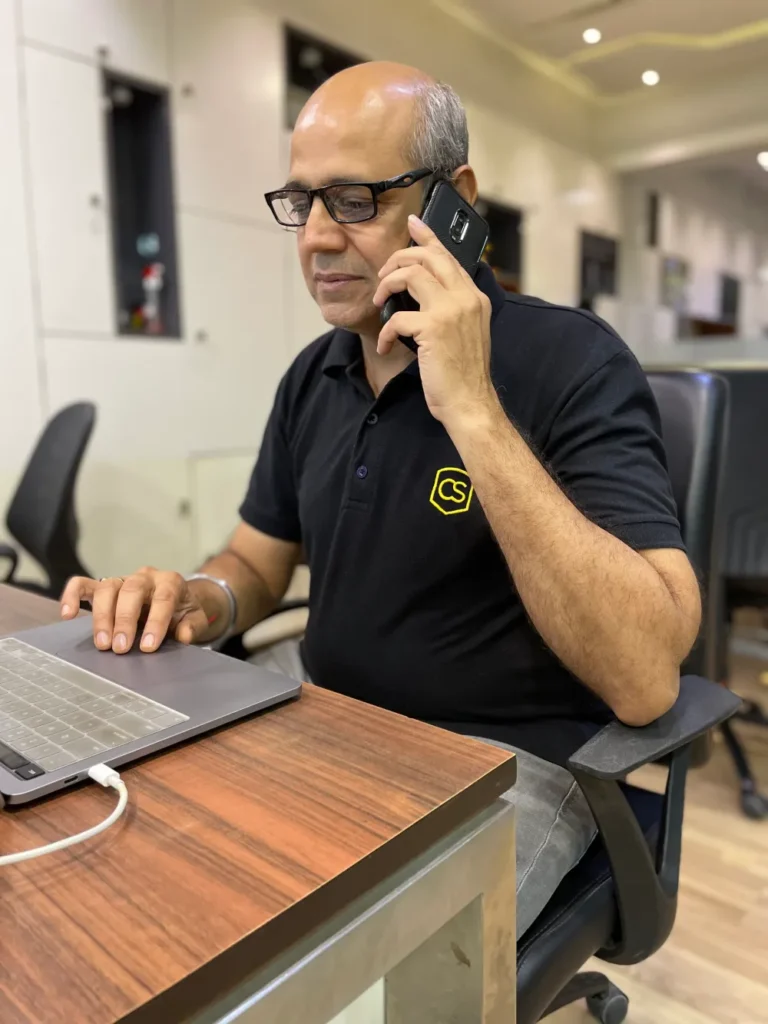
CarzSpa’s franchise opportunity currently lists investment starting at ₹45 lakh, 1,800+ sq. ft. space requirements and a zero-royalty model.
For a car enthusiast who wants to turn a passion for automobiles into a profession, this is the larger appeal of an automobile franchise; you can remain closely involved with the automotive business while having an established framework around you.
Conclusion
The next wave of India’s car care industry may not come only from the country’s biggest metros. With passenger vehicle sales reaching a record and the organised detailing market continuing to develop, there is a growing base of vehicle owners in tier 2 and tier 3 cities who will eventually demand better ways to maintain, protect and personalise their cars.
For experienced entrepreneurs, an independent studio may offer complete control. But for first-time business owners and automotive enthusiasts who want a structured entry into the industry, a car detailing franchise can provide the brand, systems, training and support needed to start with a stronger foundation.
The cars are already on the roads. The next opportunity is to build the professional car care businesses that serve them.
Frequently Asked Questions
1. Is a car detailing business profitable in Tier-2 and Tier-3 cities?
It can be, provided the city has sufficient vehicle ownership, purchasing power, customer demand, and limited organised competition. Profitability depends on location, investment, service mix, pricing, operating costs and customer retention.
2. Why are Tier-2 and Tier-3 cities good for car detailing?
These cities have a growing vehicle base but fewer organised premium detailing providers. Nexdigm identifies limited detailing awareness in these markets as a challenge as well as an expansion opportunity for organised players.
3. How much does it cost to start a car detailing franchise in India?
Investment varies by brand, studio size, location, equipment, and service mix. CarzSpa currently lists franchise investment starting at ₹40 lakh, with a minimum space requirement of 1,000+ sq. ft.
4. What services should a Tier-2 or Tier-3 detailing studio offer?
A balanced studio can offer exterior and interior detailing, paint correction, ceramic coating, PPF coating, paint protection film, maintenance packages and other premium protection services based on local demand.
5. Is a car detailing franchise better than starting independently?
Both models can work. A franchise provides an established brand, operating systems, training, product access, and business support, while an independent studio offers greater control. The right choice depends on your experience, capital and business goals.
Share: